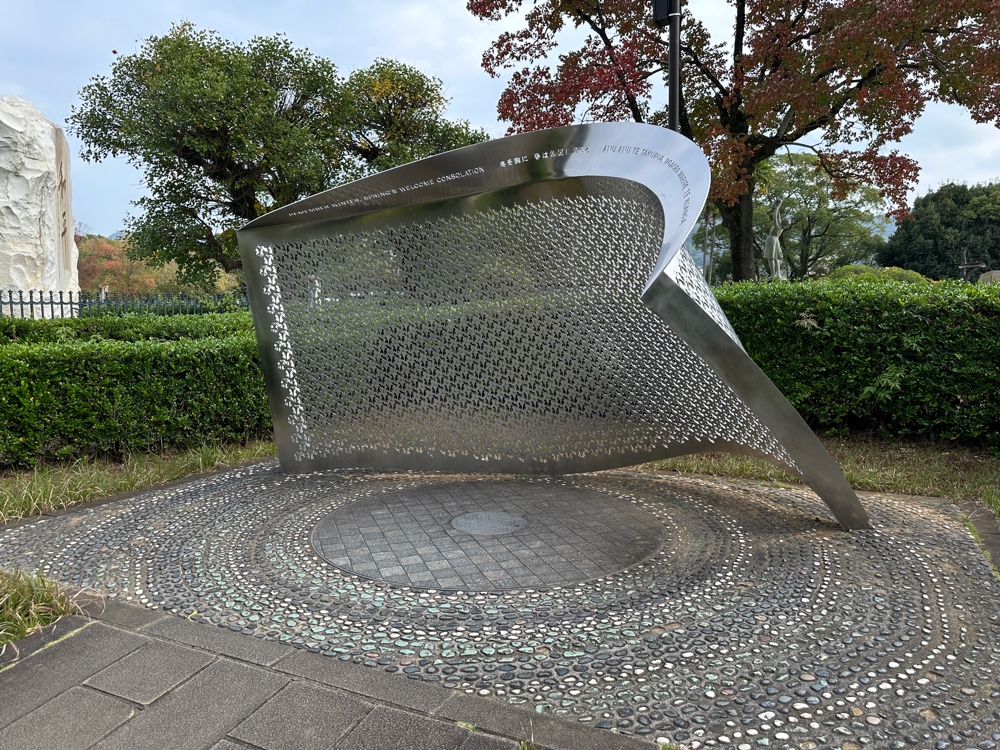
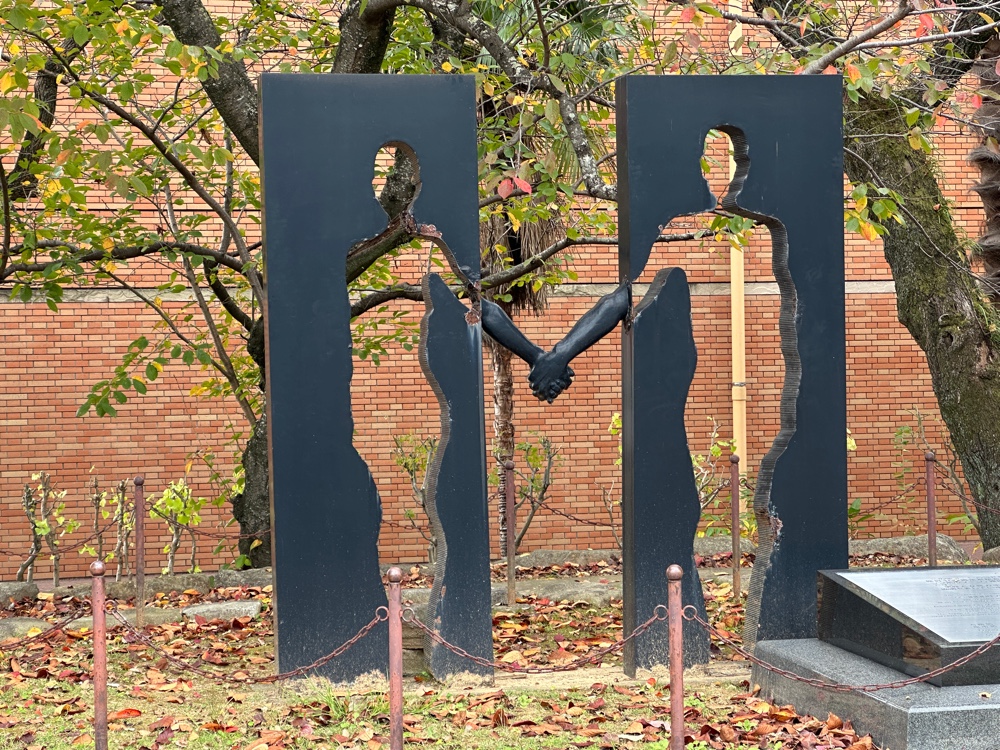
Like at Hiroshima, we weren’t allowed to photograph inside the memorial, but I thought it was better at telling the story. Nagasaki was originally the place where European merchants were allowed to trade with Japan. As a result, a higher percentage of the population is Christian. Again, this was a place where there was a lot of heavy industry, including ship building. The area is shaped as a long valley, with the port at the end.
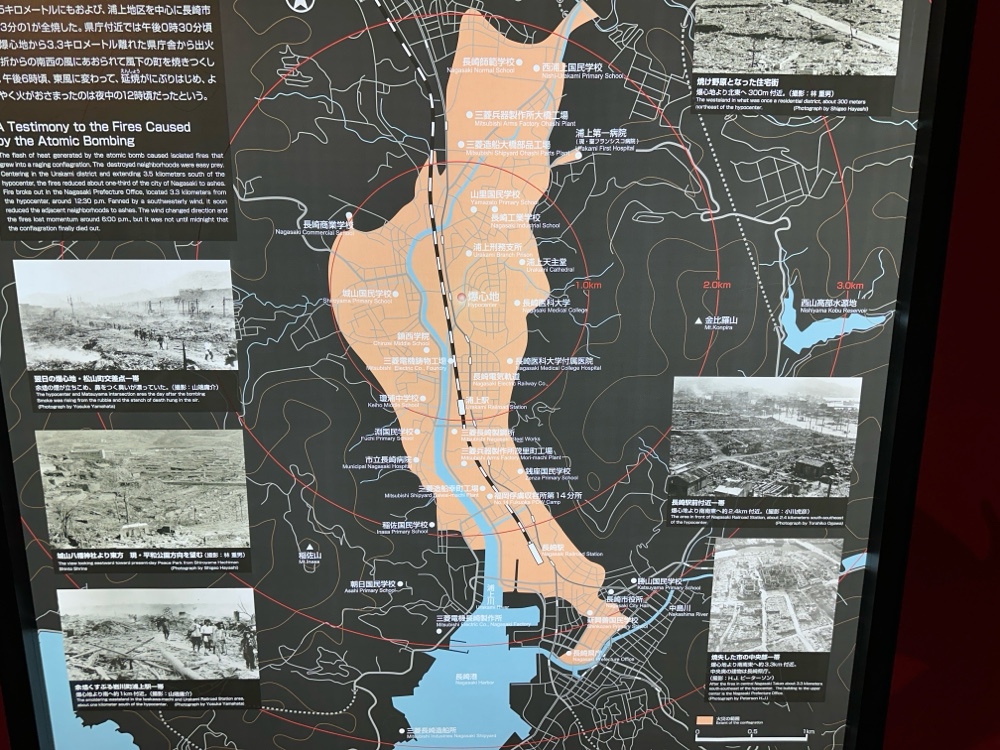
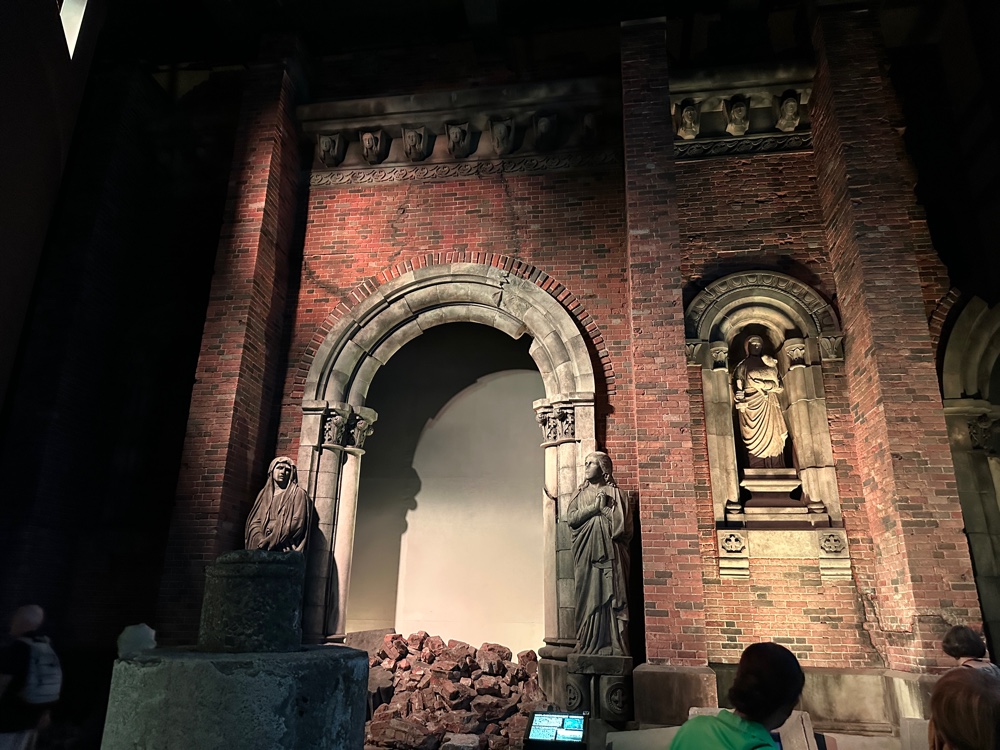
The bombers couldn’t strike the first or second targets that they’d been given, and dropped the automatic bomb further up the valley than had been intended. This meant the ship works weren’t as damaged as they intended, and that the bomb was dropped directly over the Christian cathedral.
A POW camp was quite close by as was a place where Korean forced labourers were kept, so there were quite a number of non-Japanese casualties. The memorial talked about this, and had videos of stories from Korean and Australian survivors, as well as Japanese people - men, women and children. The Koreans in particular had a bad time after the bombing because they couldn’t speak Japanese and tell people what they needed, and some were just left to die after they’d been rescued.
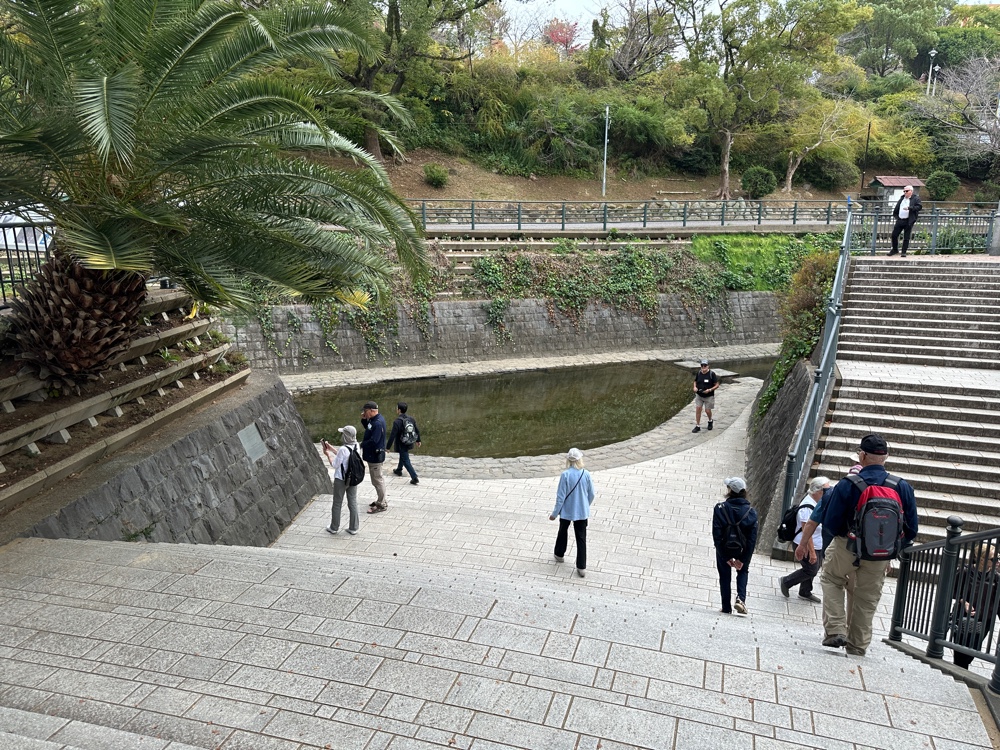
We went to ground zero, where we saw the level of the earth where the bomb exploded.
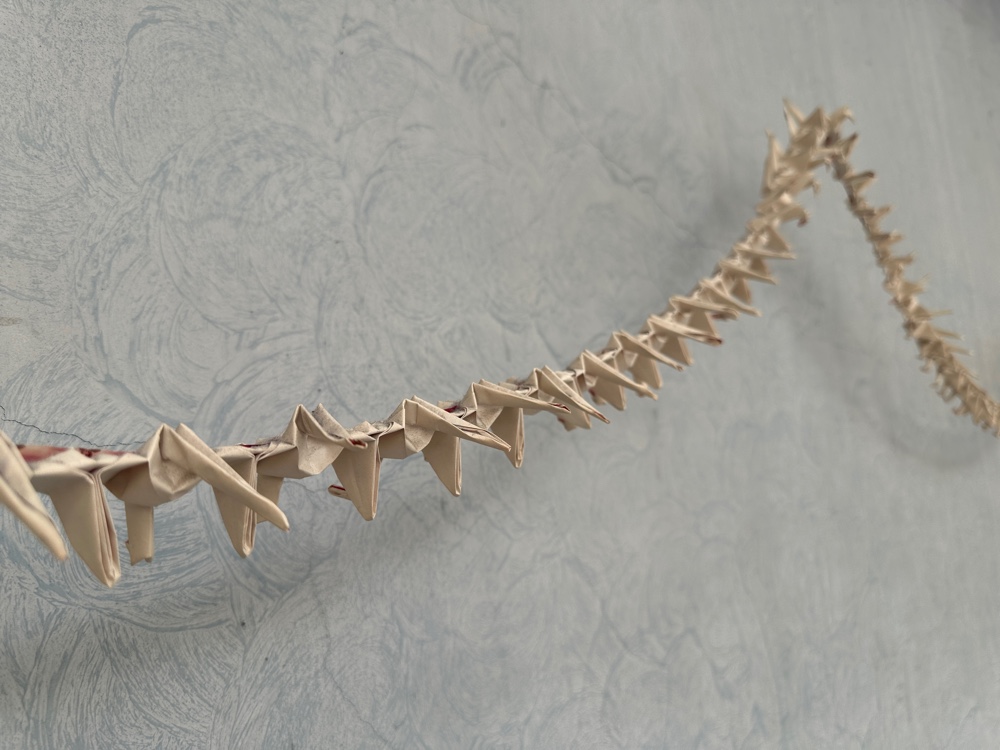
Like at Hiroshima, people had made many origami cranes, and they had strung some of them along the wall of the memorial.
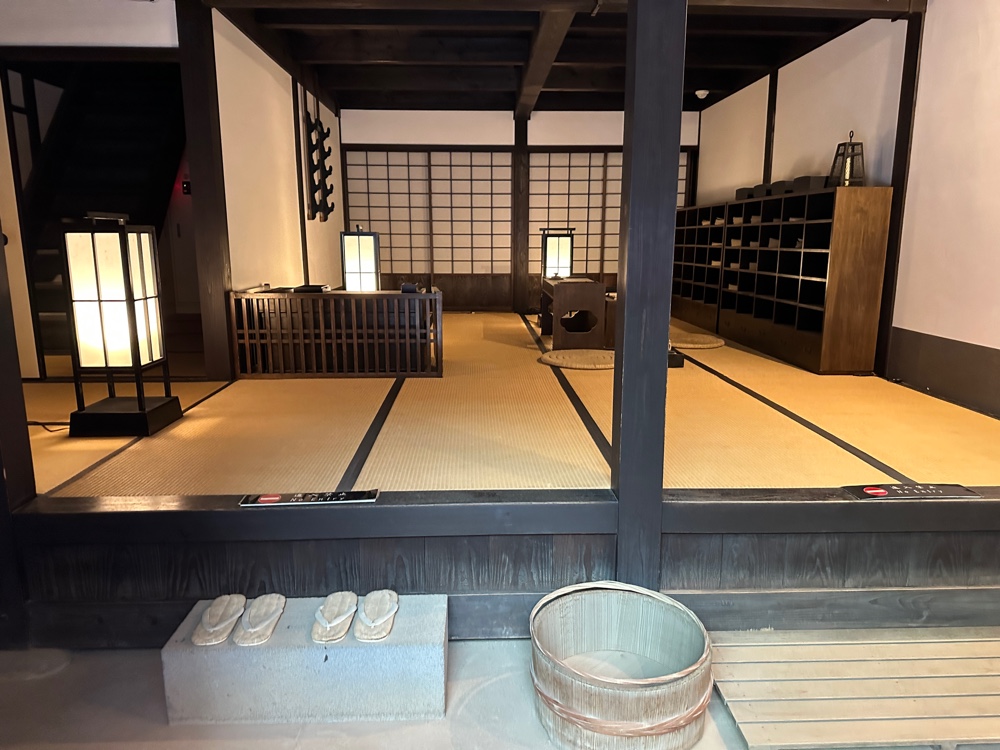
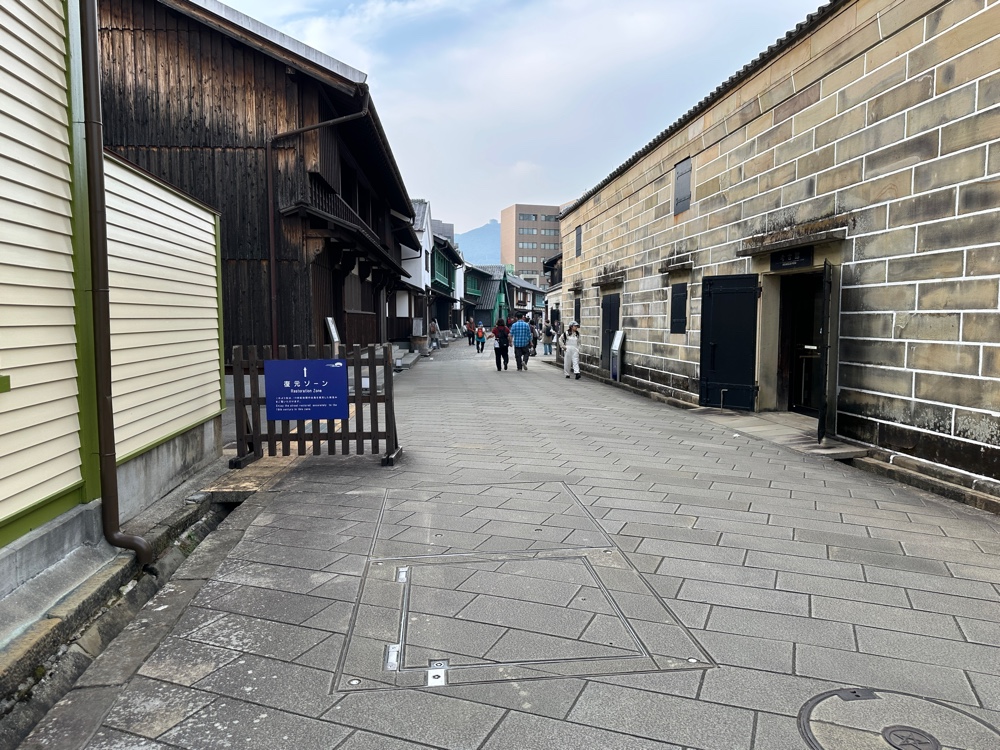
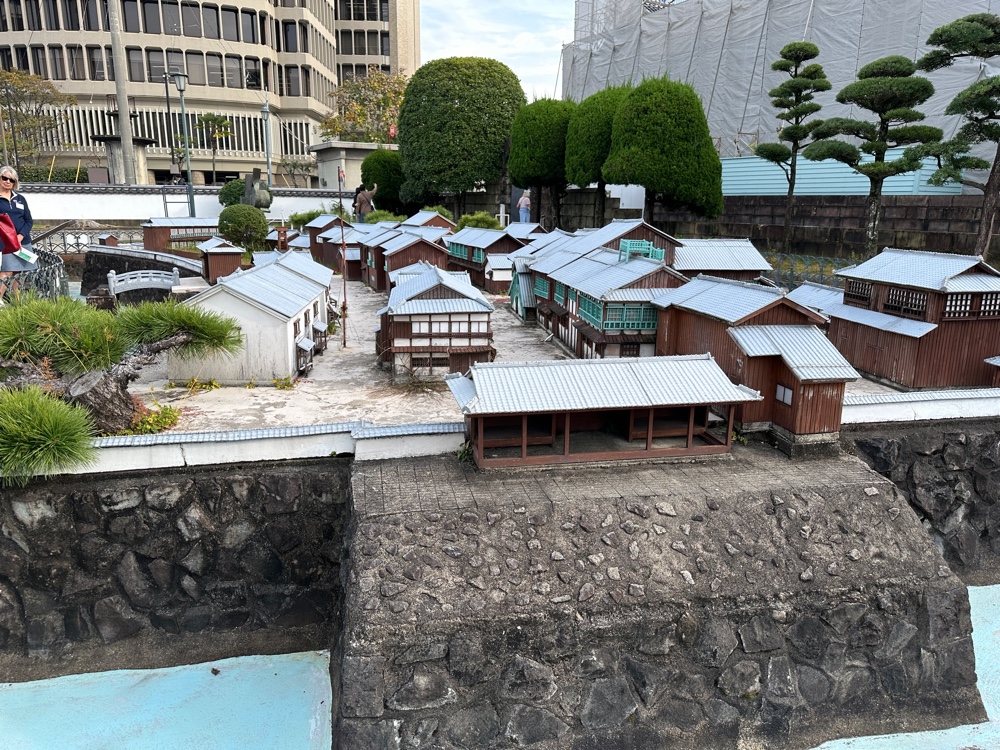
Afterwards, we went to the recreation of the Dutch merchant village that’s on the actual site of the original one. They’ve done a lot of archeological research to reconstruct it as it was, and are gradually building it. The Dutch asked Japan to do this with the money for reparation for the war.
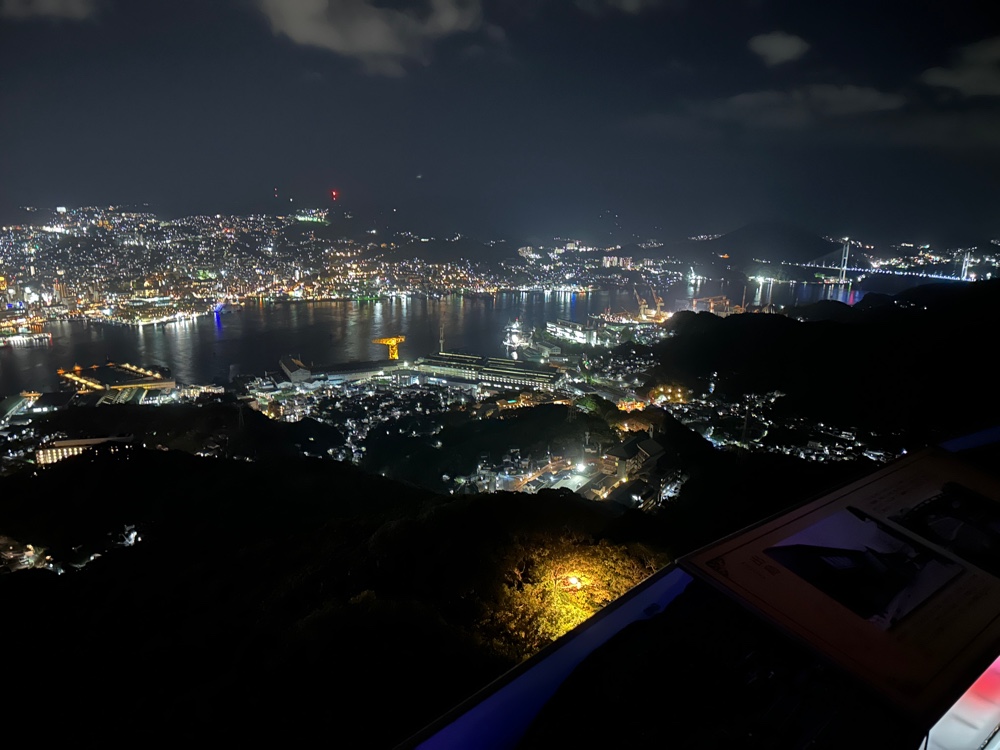
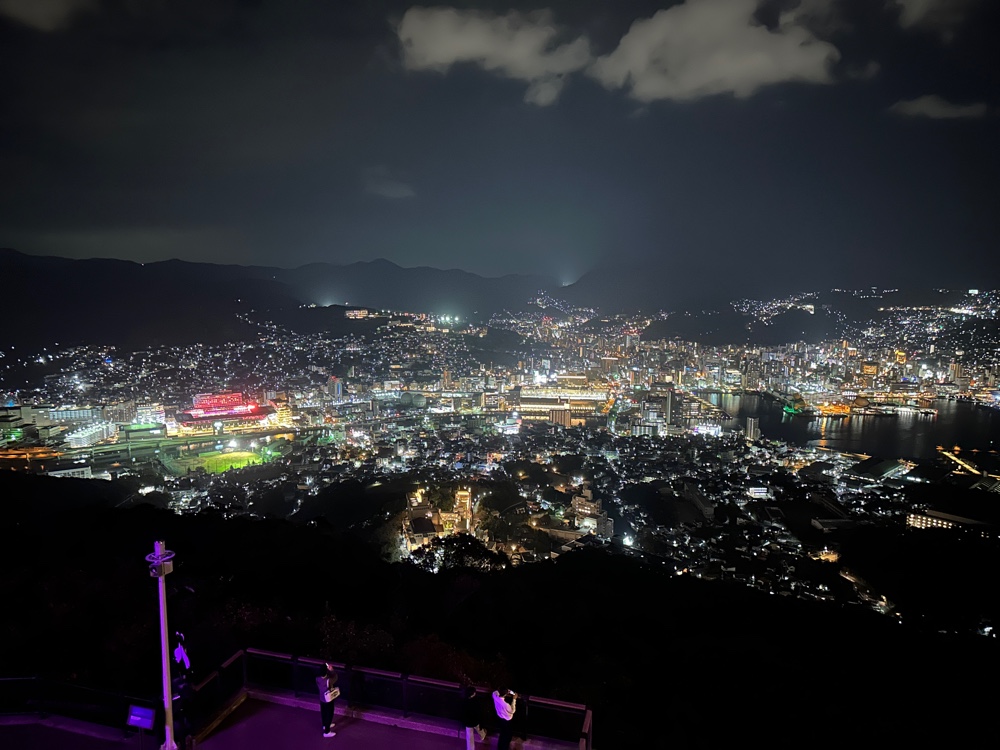
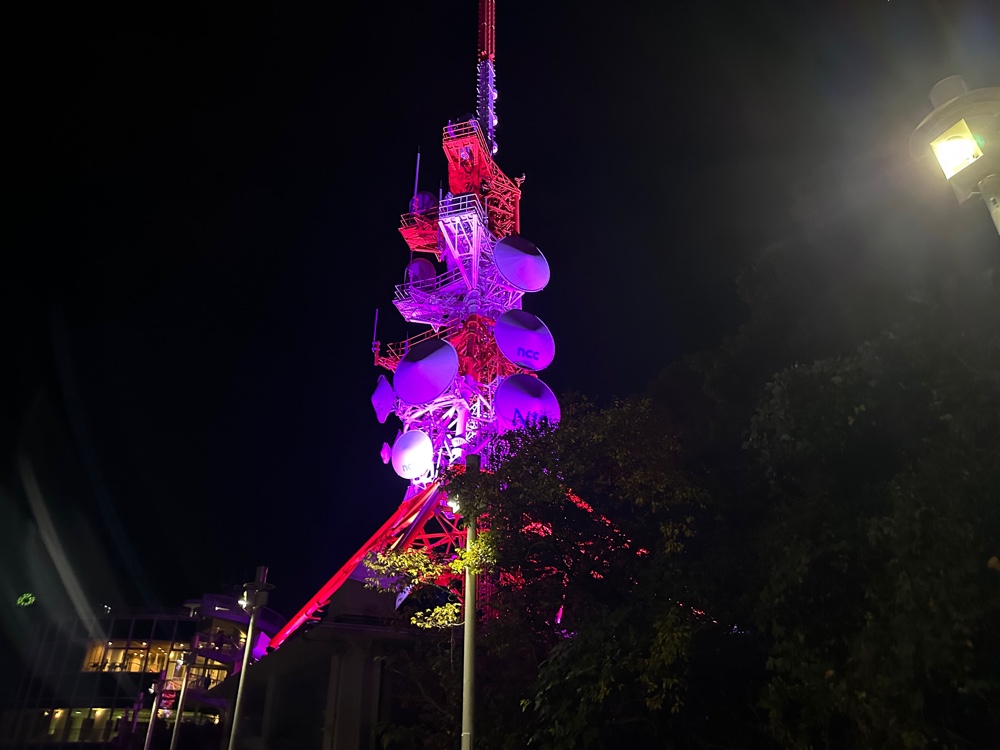
After dinner we visited the lookout and saw the lights of Nagasaki below.

No comments:
Post a Comment