Wednesday, 10 December 2025

Hiroshima

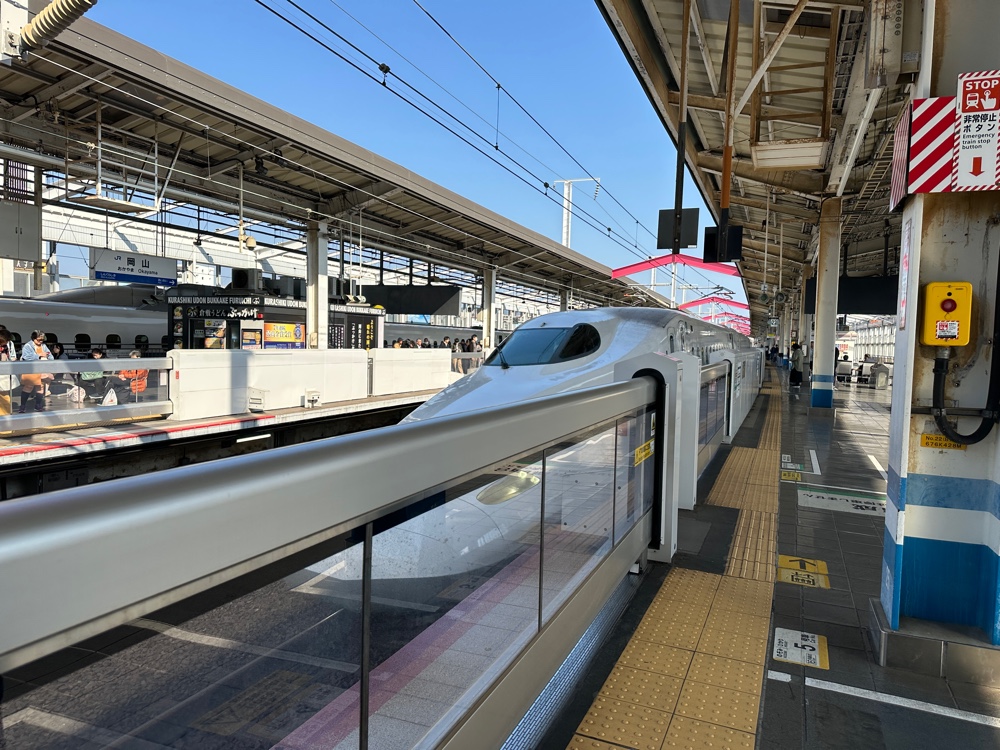
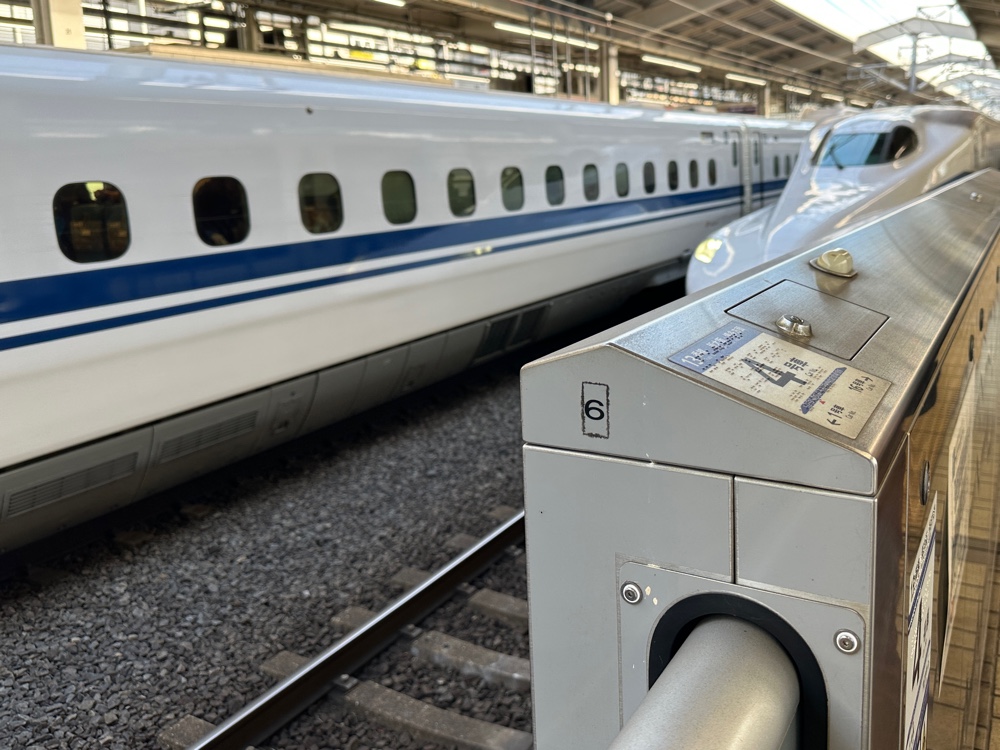
Another day, another Shinkansen! Today we continued our journey to the south of Honshu, taking the Shinkansen to Hiroshima. 

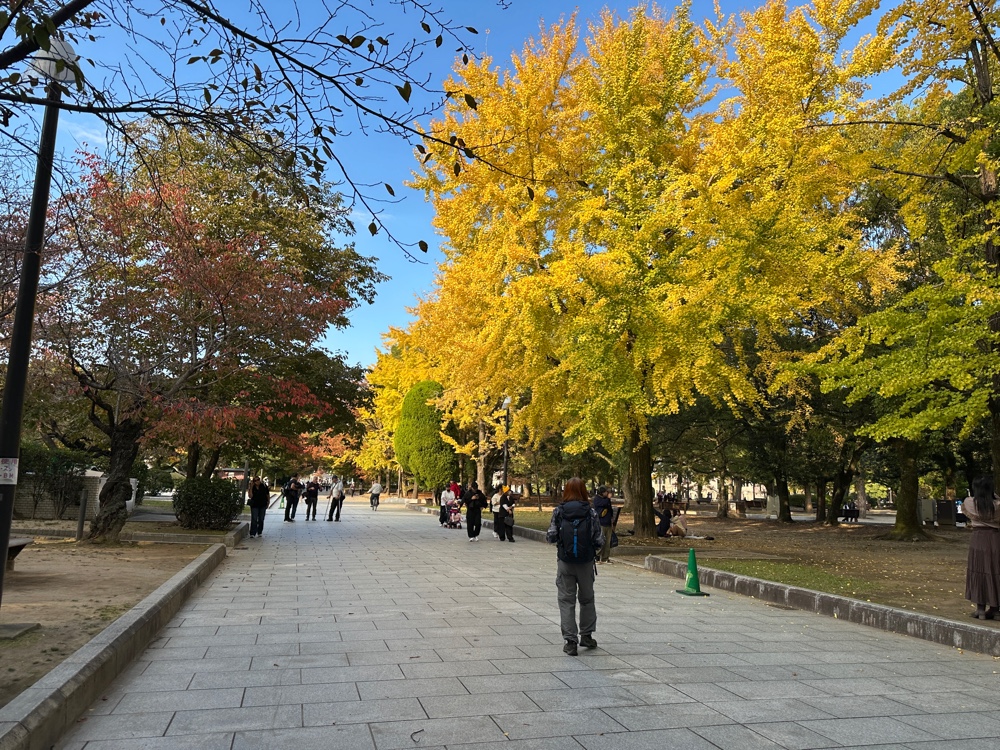
When we arrived, we walked to the peace park.


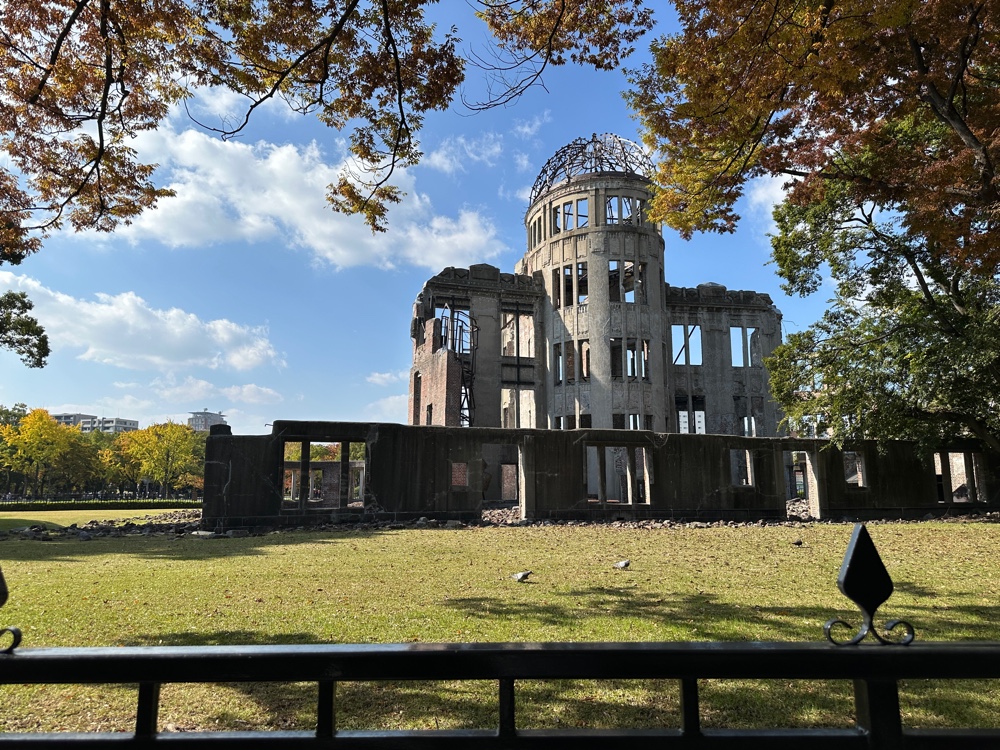
Firstly, we arrived at the dome - the building left standing after the bombing.


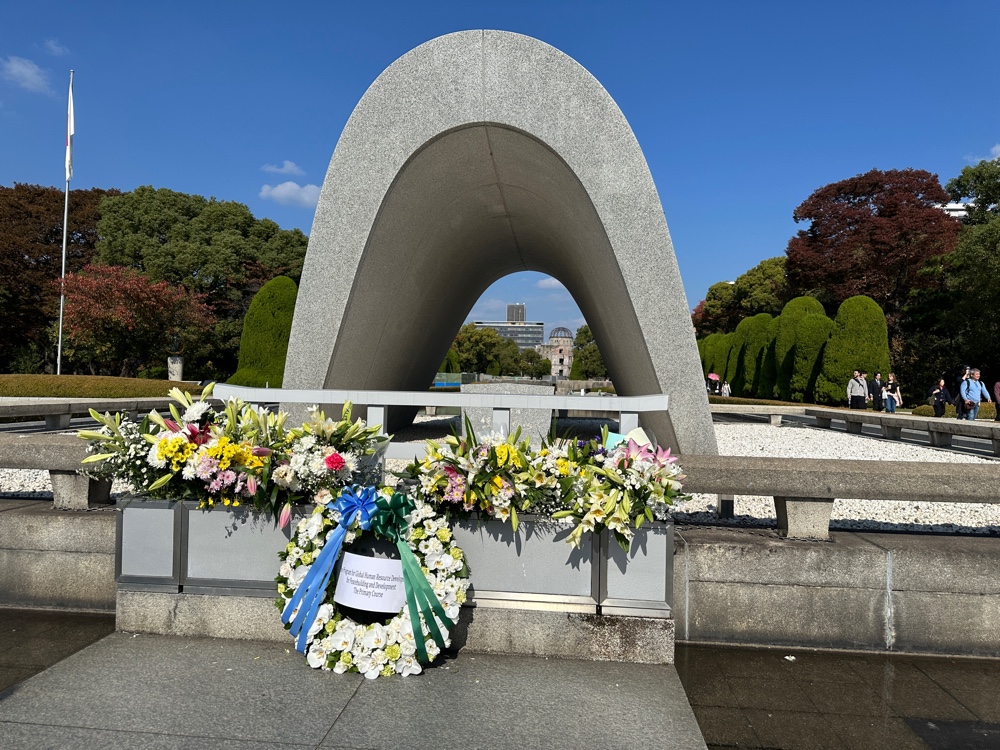
Then we visited the memorial 


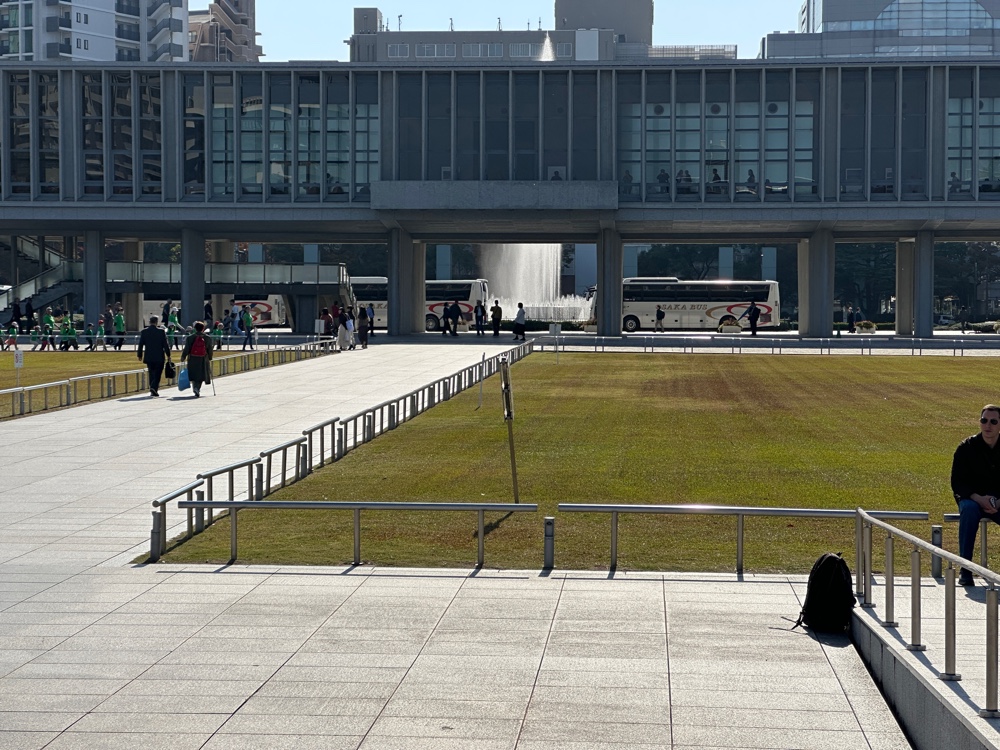
and the museum (which was very crowded - you’re not allowed to take photographs inside)


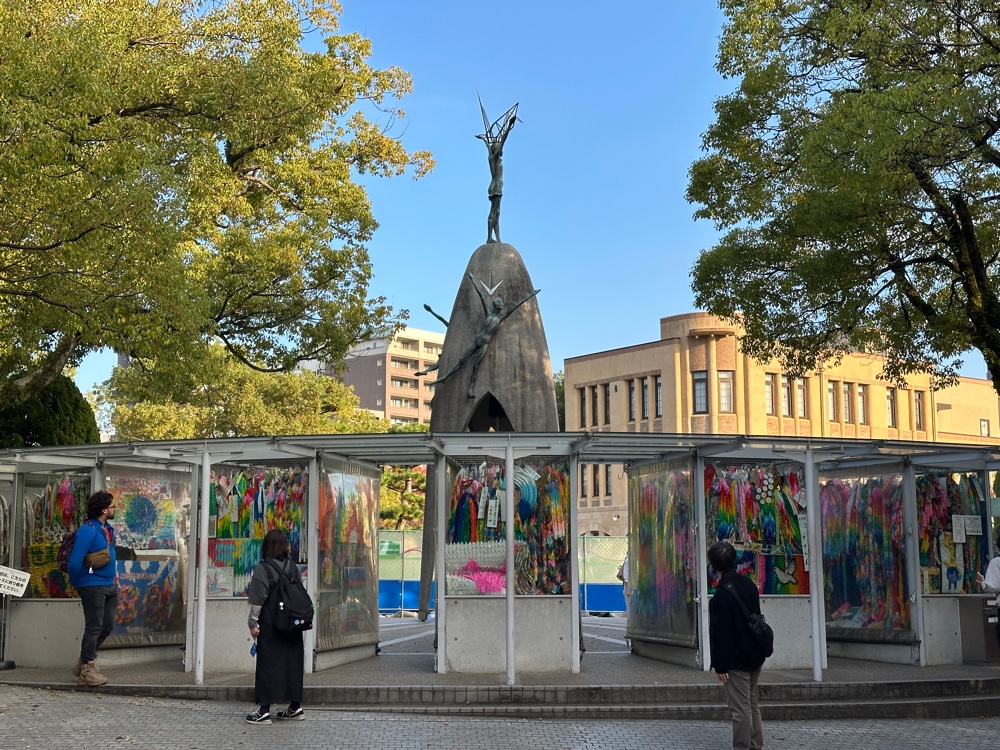
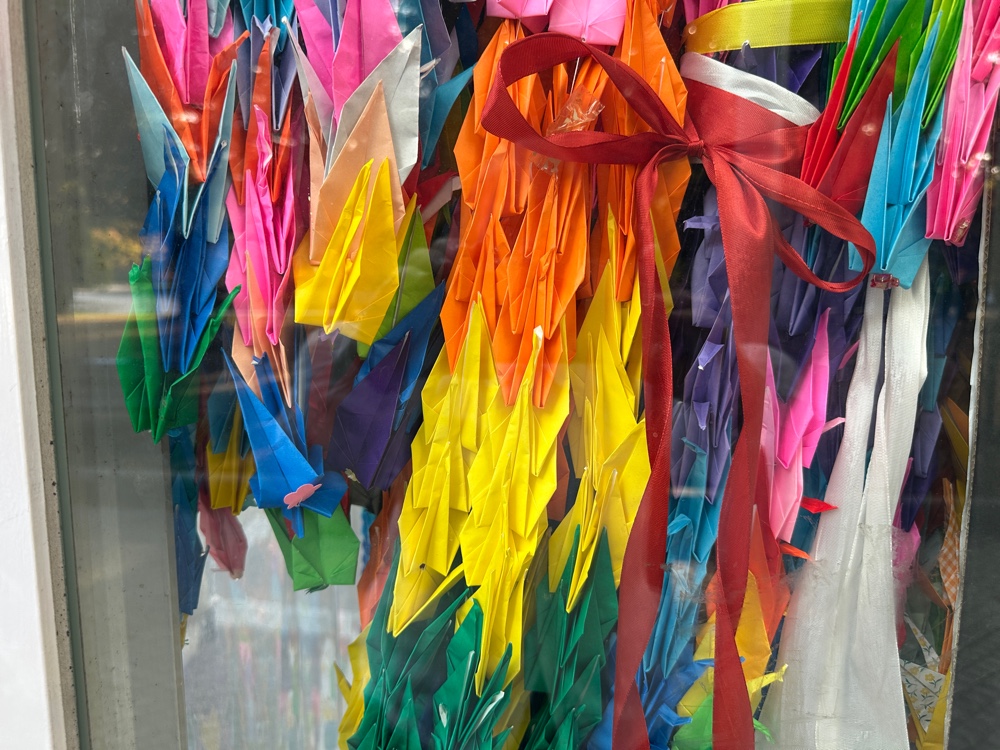
I visited the children’s memorial, which has booths of paper cranes that people from all over the world have made and sent by their hundreds.


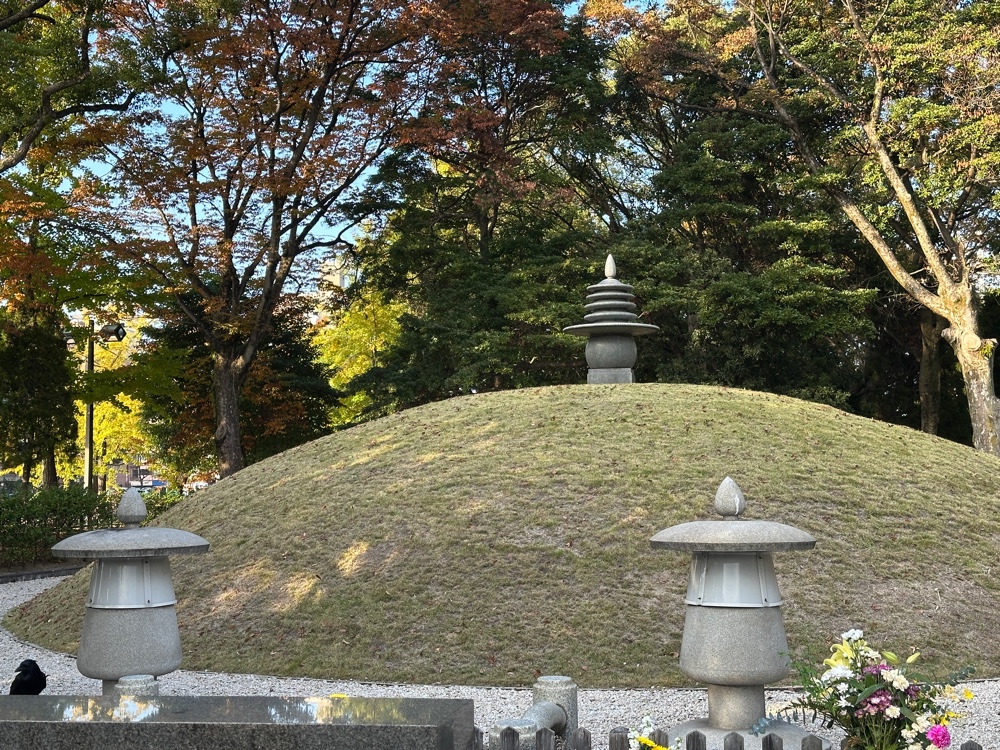
The mound contains the ashes of the people who died from the bombing.


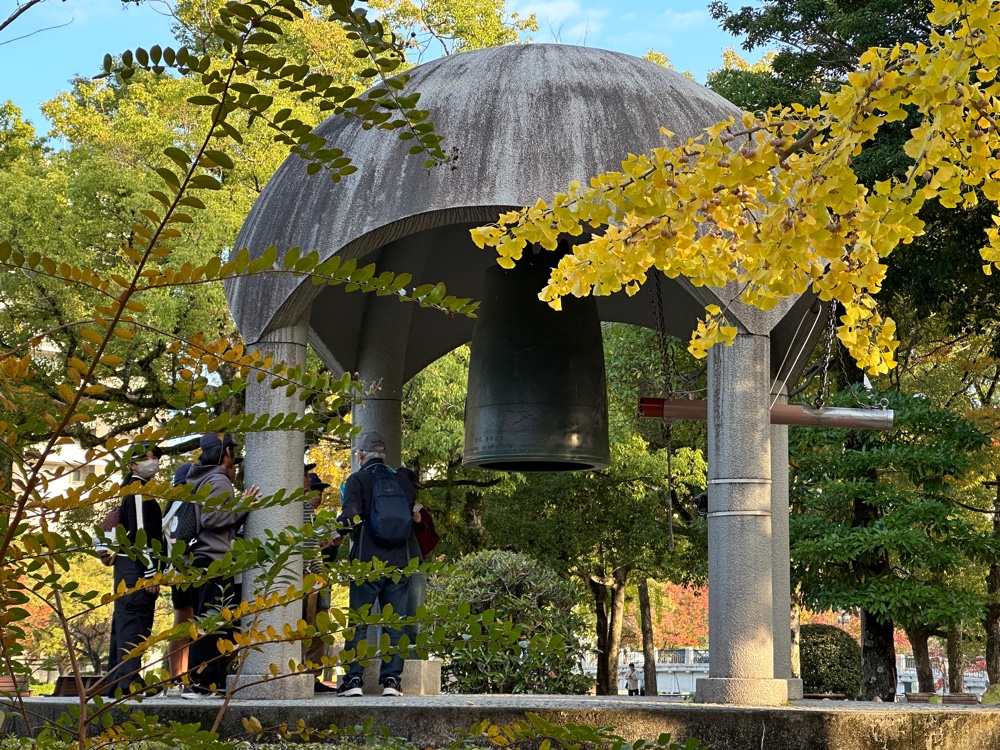
I saw the peace bell.


The whole park was peaceful, and its message is important.


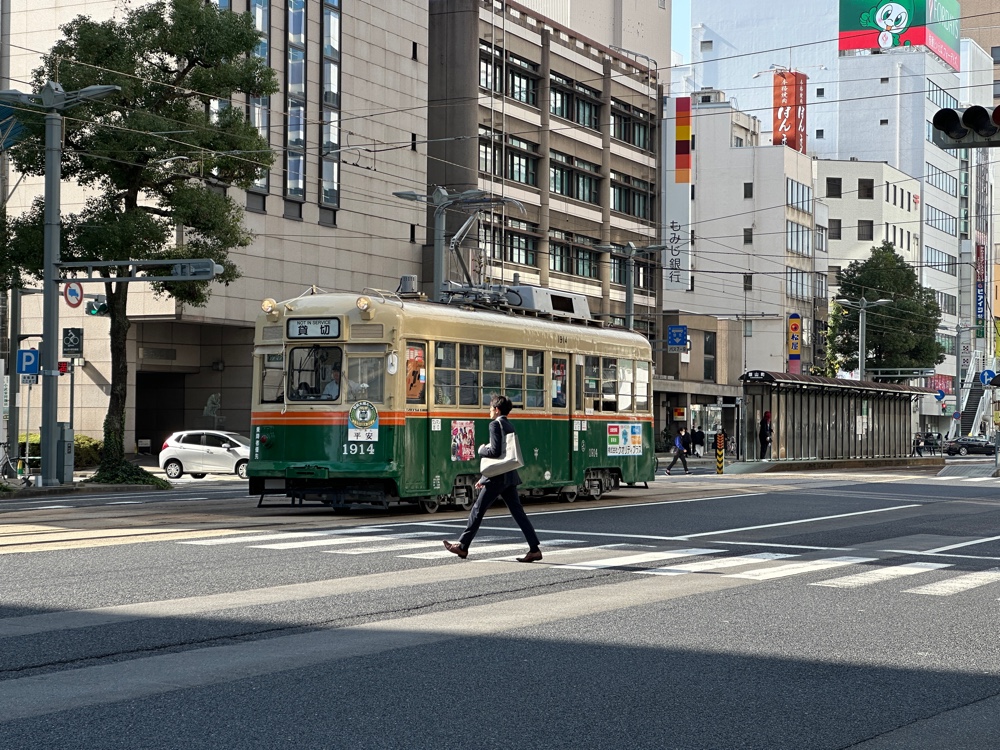
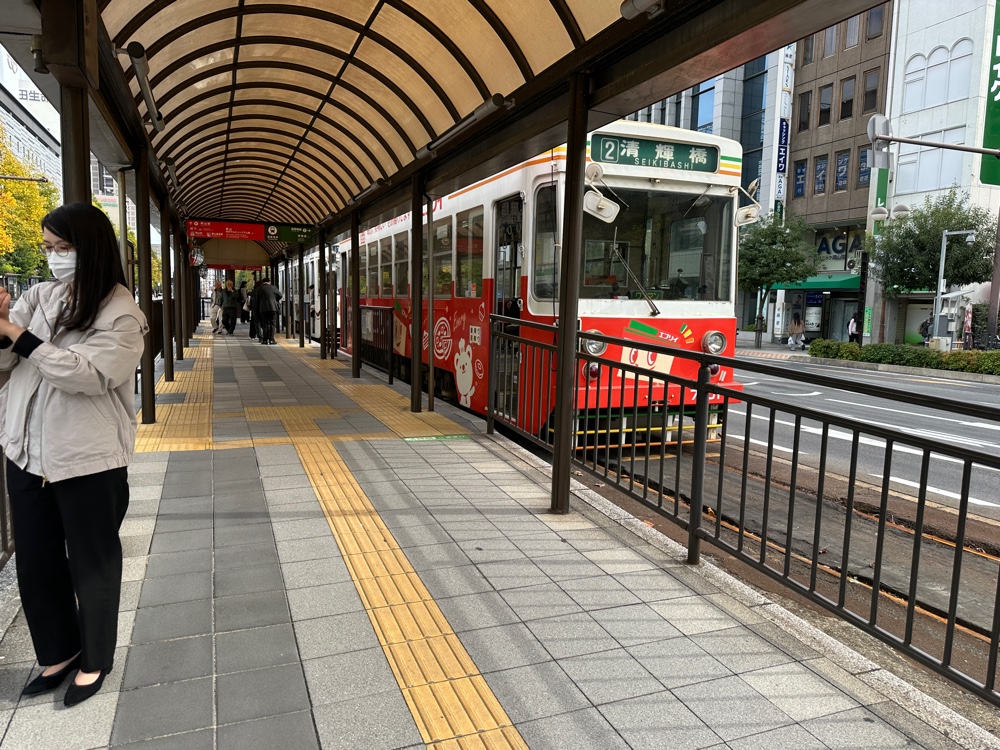
We took the tram back to our hotel.


Naoshima

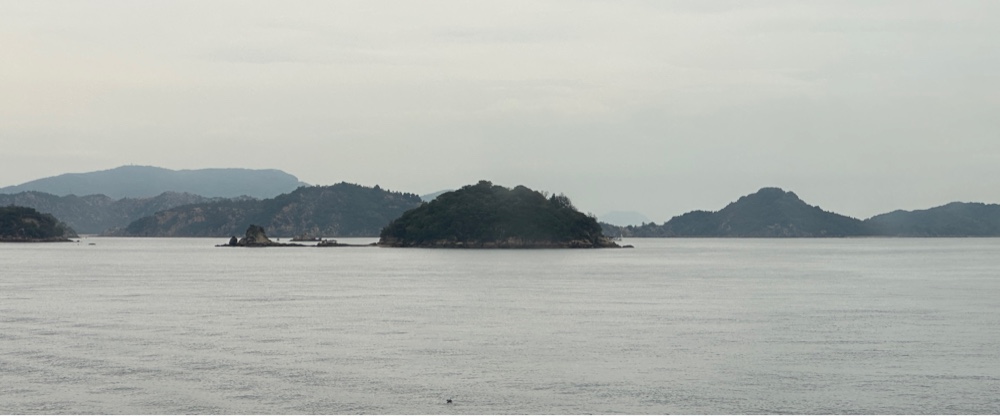
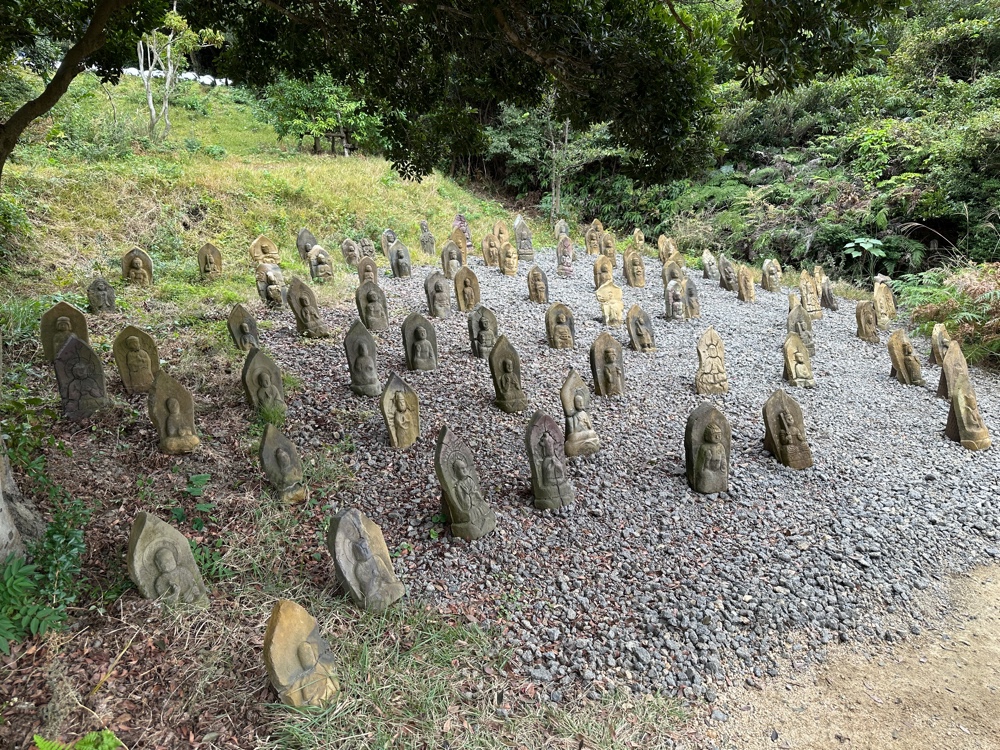
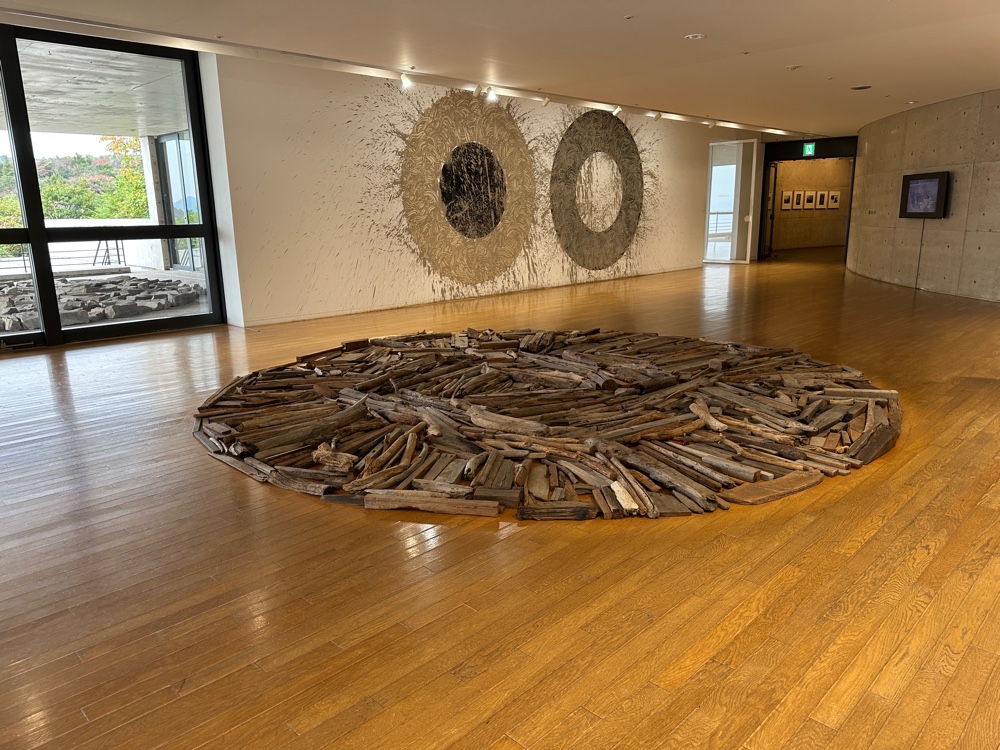
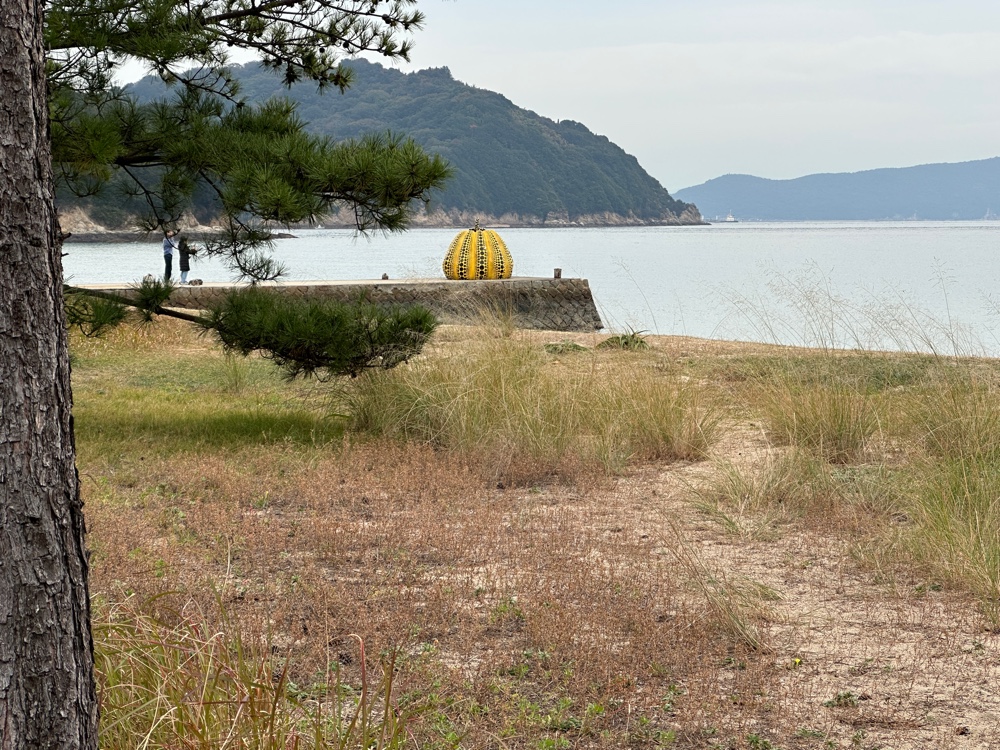
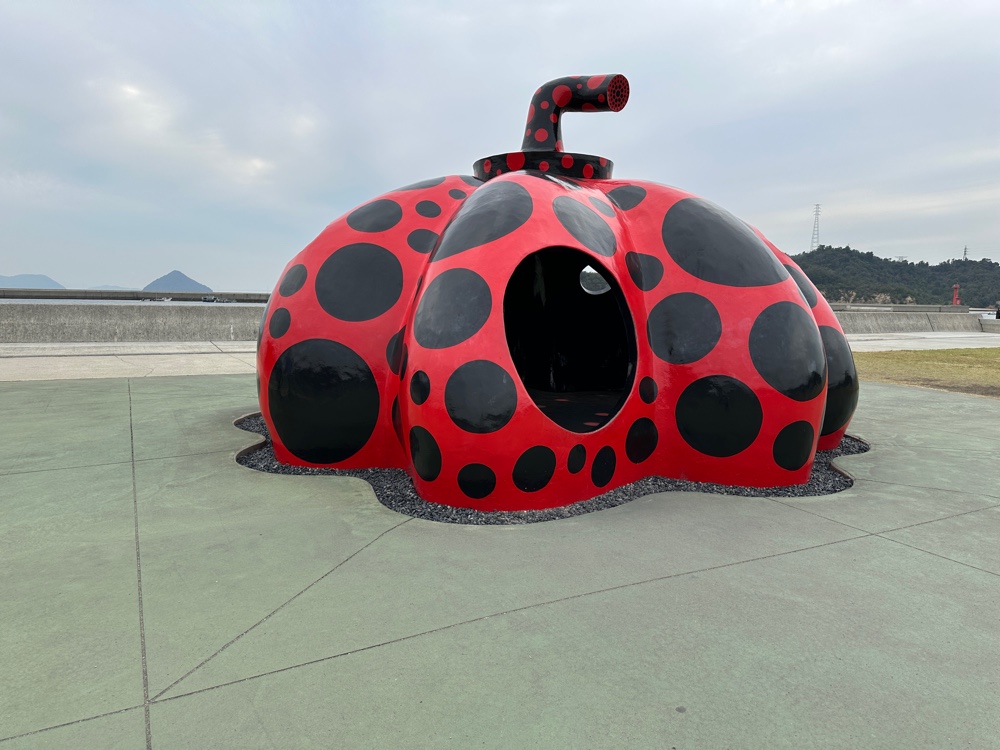
Japan is made up of quite a lot of islands. Many of them are suffering from a reduced population and loss of industry. One such island is Naoshima. The government has been developing it as an artistic venue, and many galleries have been built there. As well there have been initiatives to attract artists to the island. Today we visited the island from Okayama. To get there we had to take two trains and a ferry.


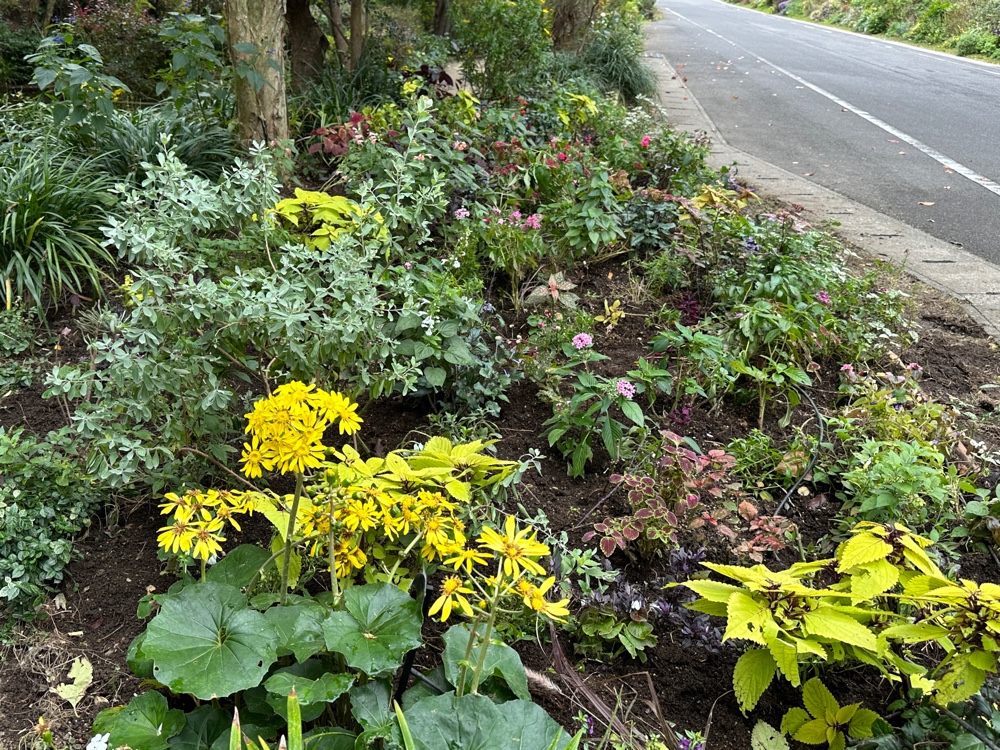
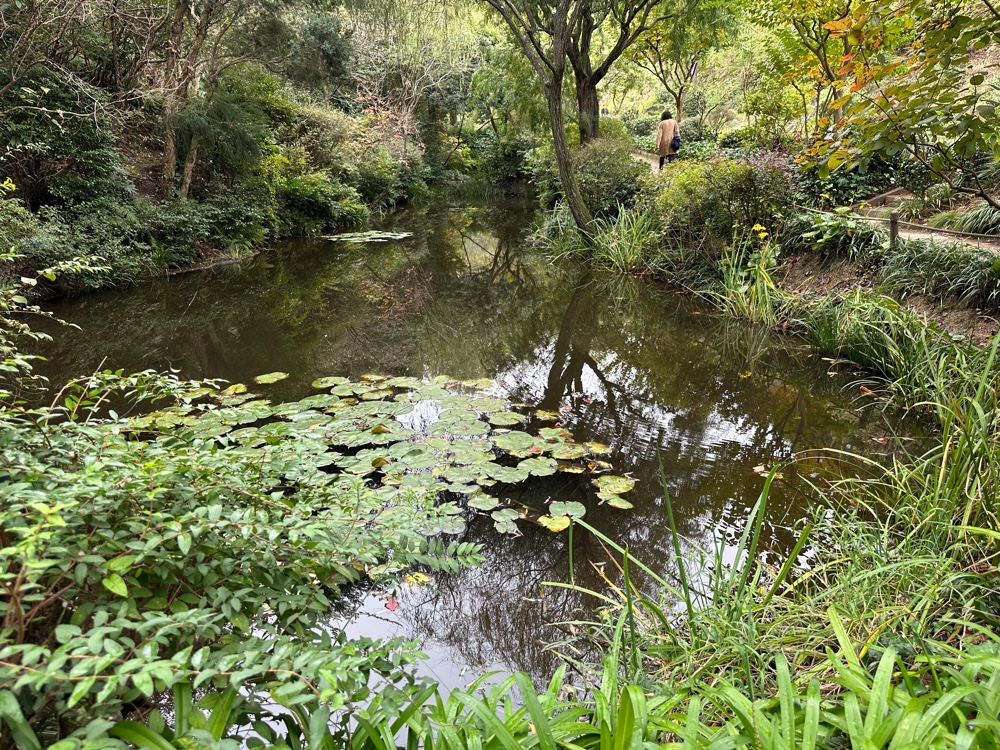
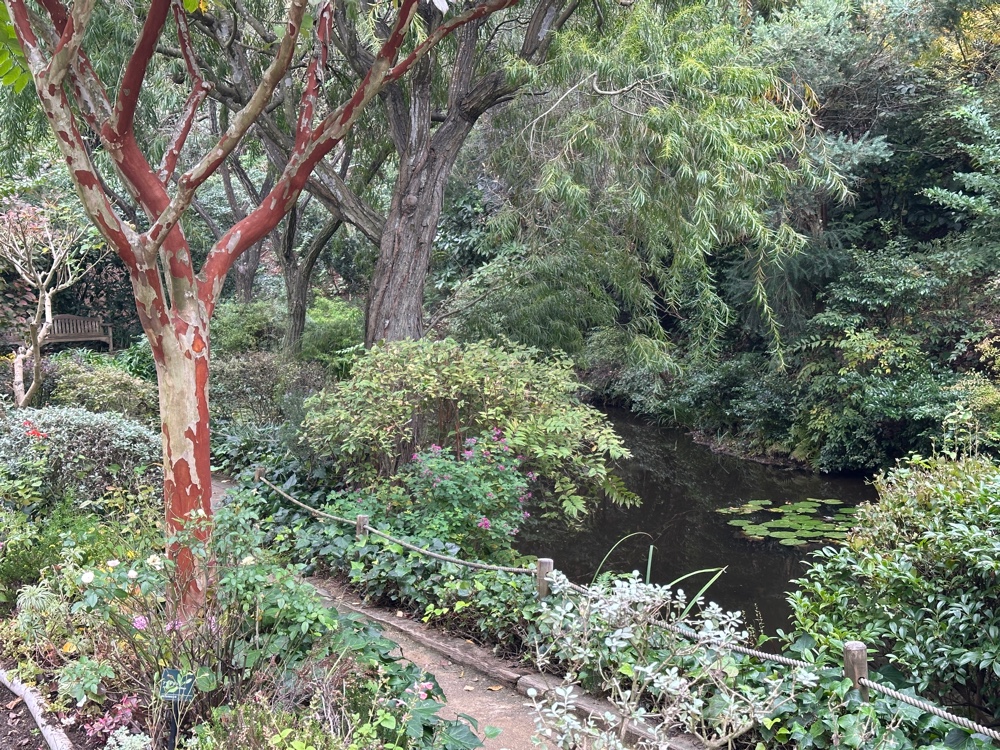
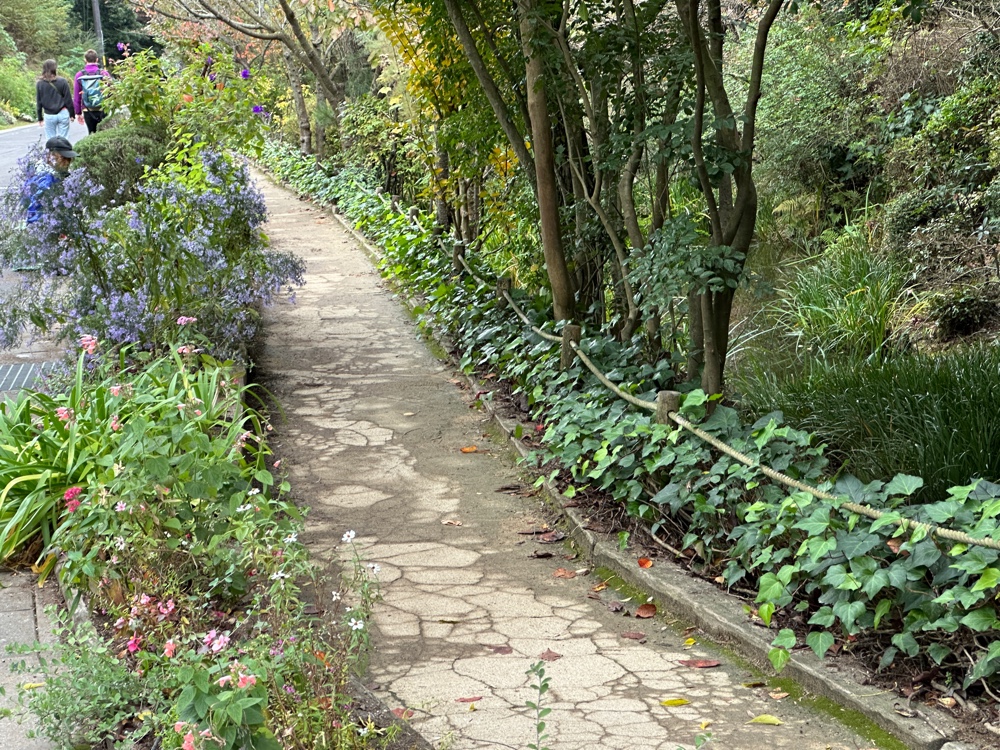
Once on the island, there’s a free bus that you can catch to go halfway around the island to a gallery where several of Monet’s water lily paintings are displayed. They are developing a water lily garden to reflect the paintings. Unfortunately, there gallery had presold all the tickets for today, so we didn’t see the paintings themselves, but we were free to wander down the road looking at the garden. They had tried to include many of the plants in Monet’s garden, but I think that a French garden was a bit difficult for them to emulate.


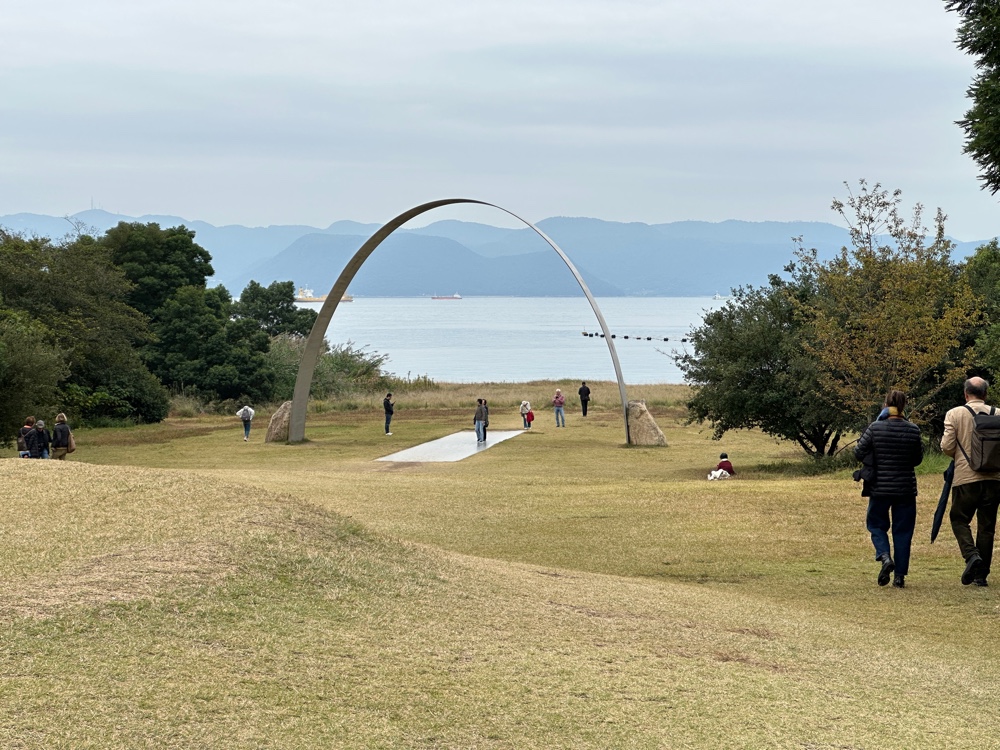
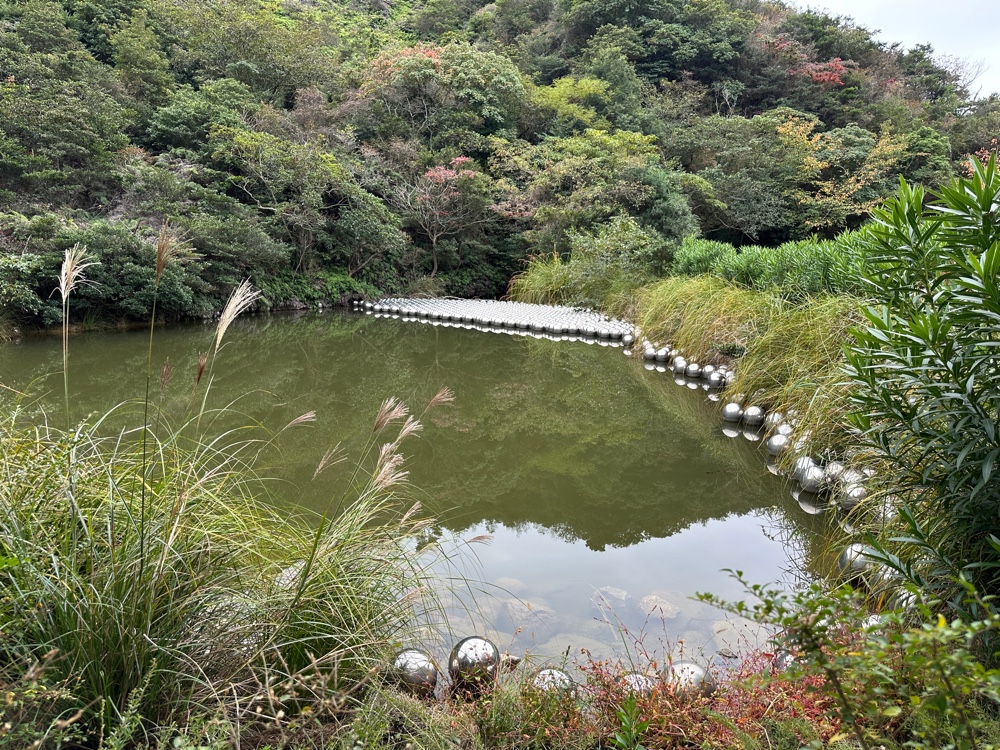
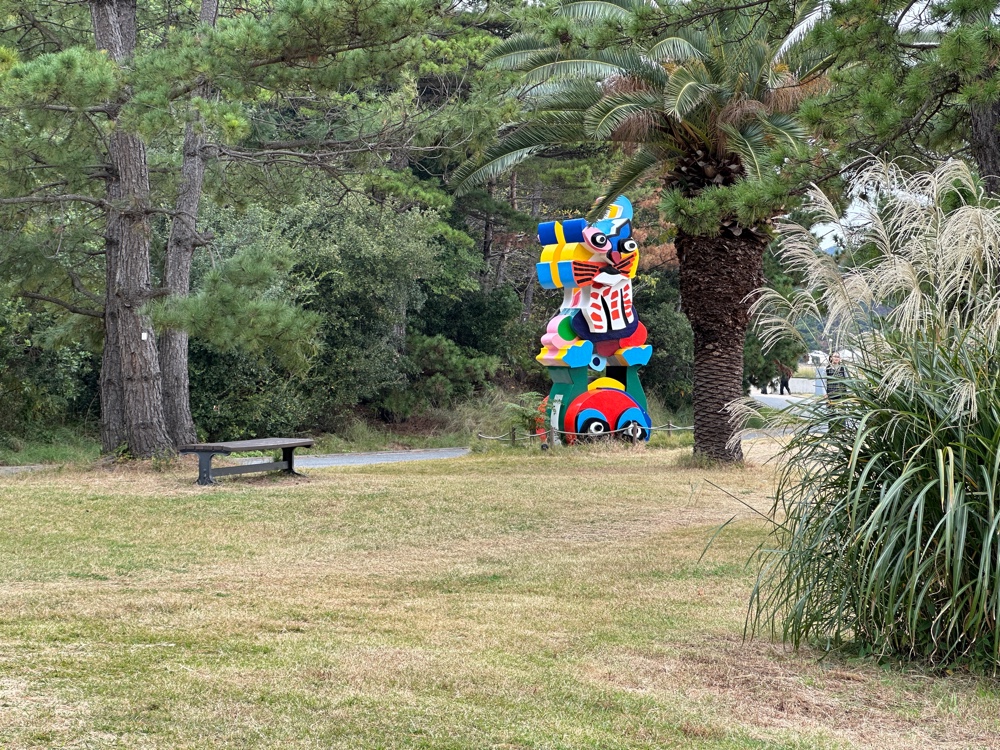
We gradually wandered back towards the harbour, visiting several of the galleries and walking through sculpture gardens. 


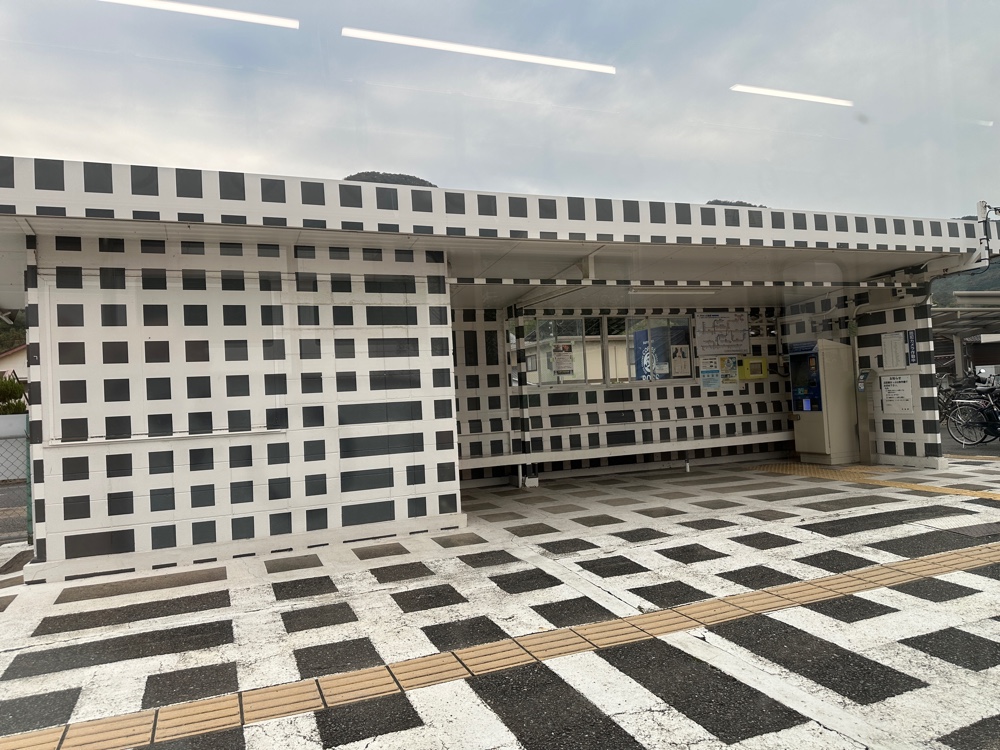
On the way back, I noticed that the train stations all had different interesting designs on them.


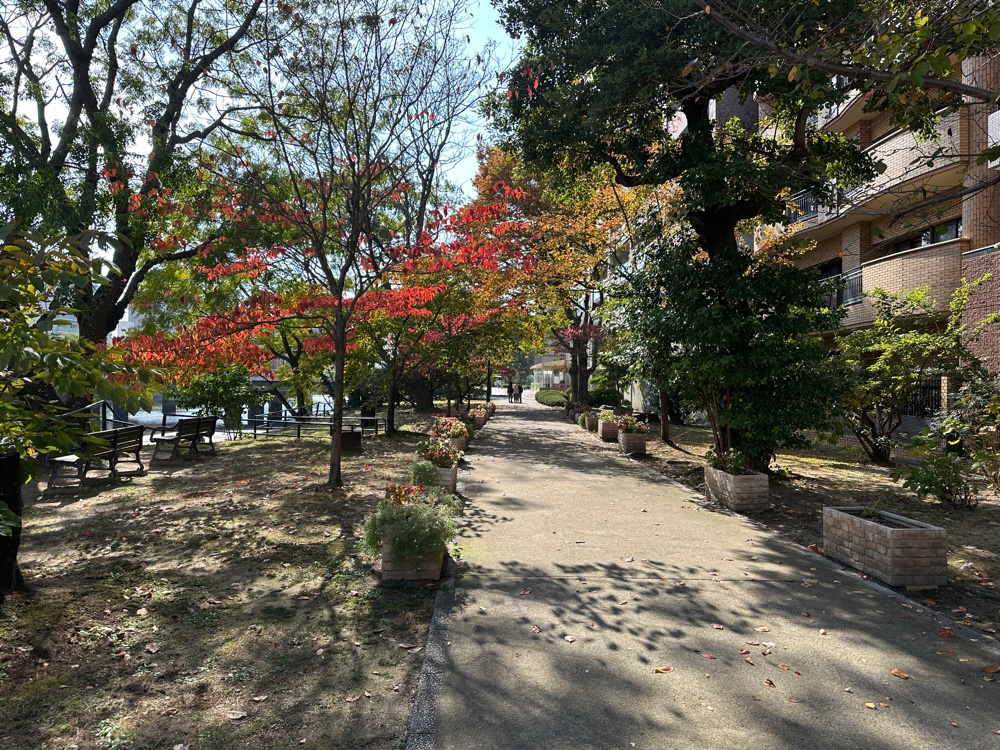
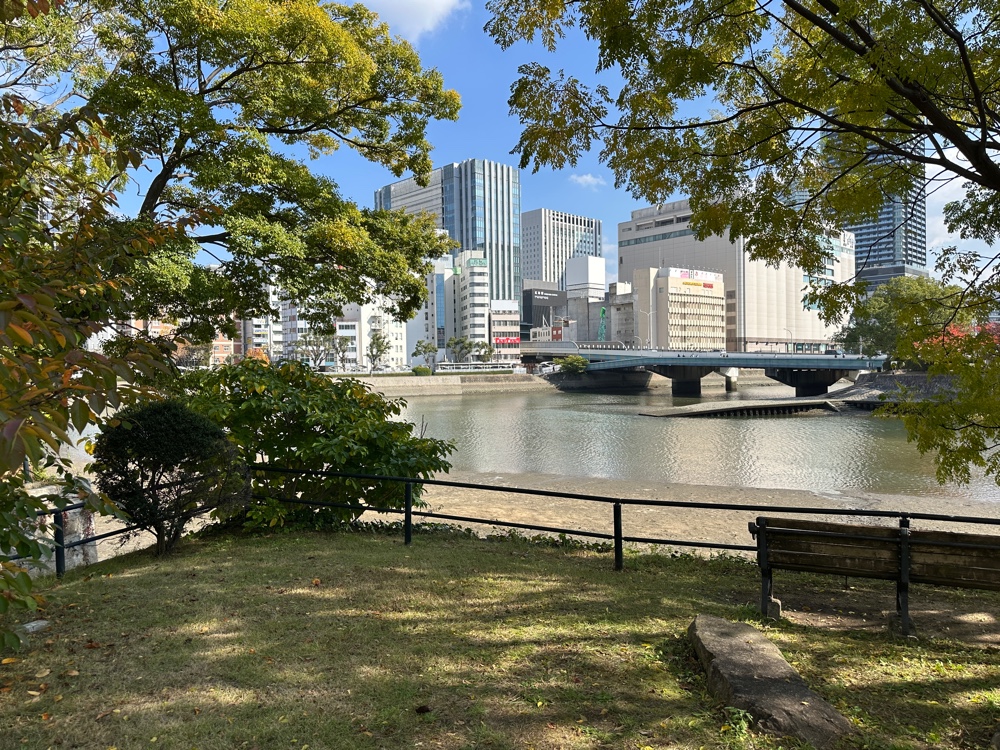
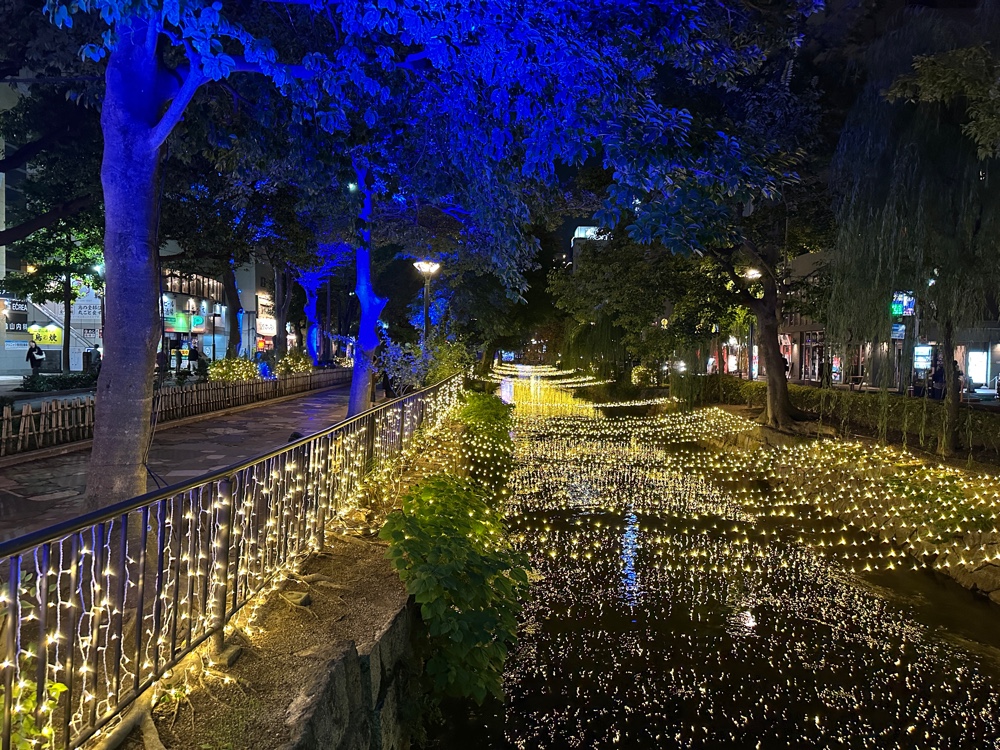
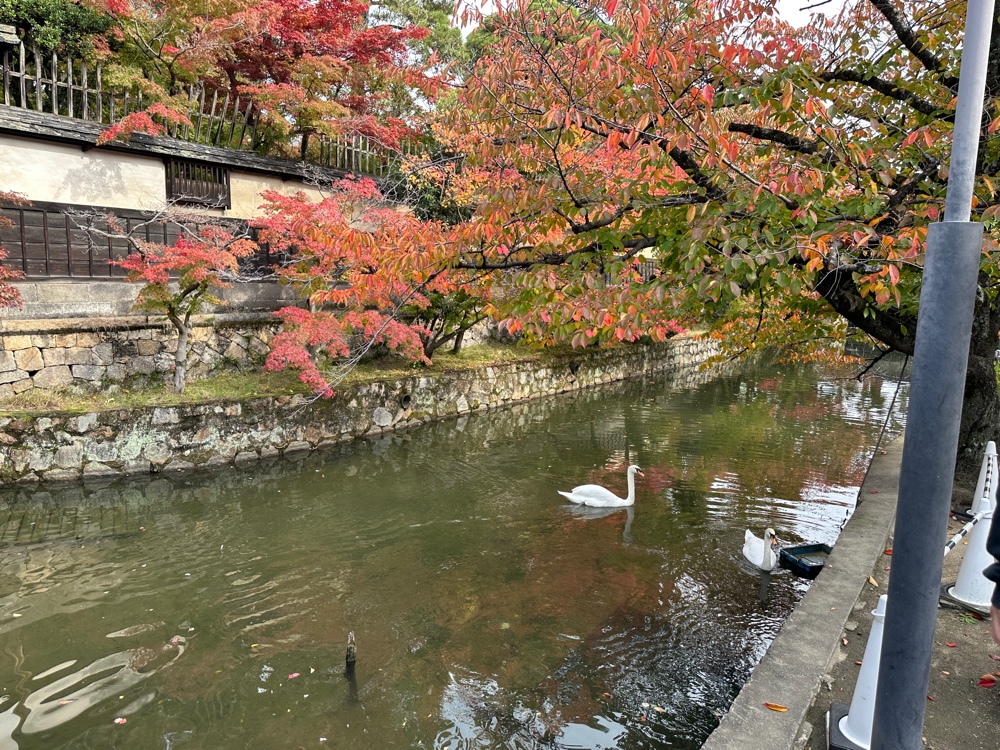
This canal is outside the hotel we’re staying at.


Okayama Castle, Koraku-en Garden and Kurashiki

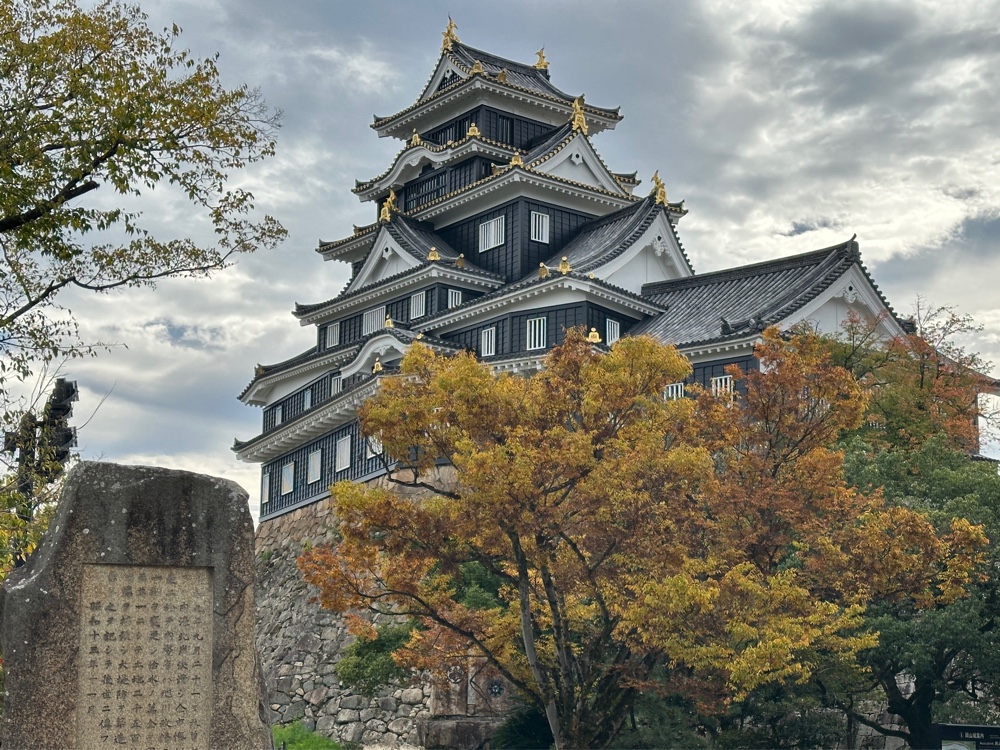
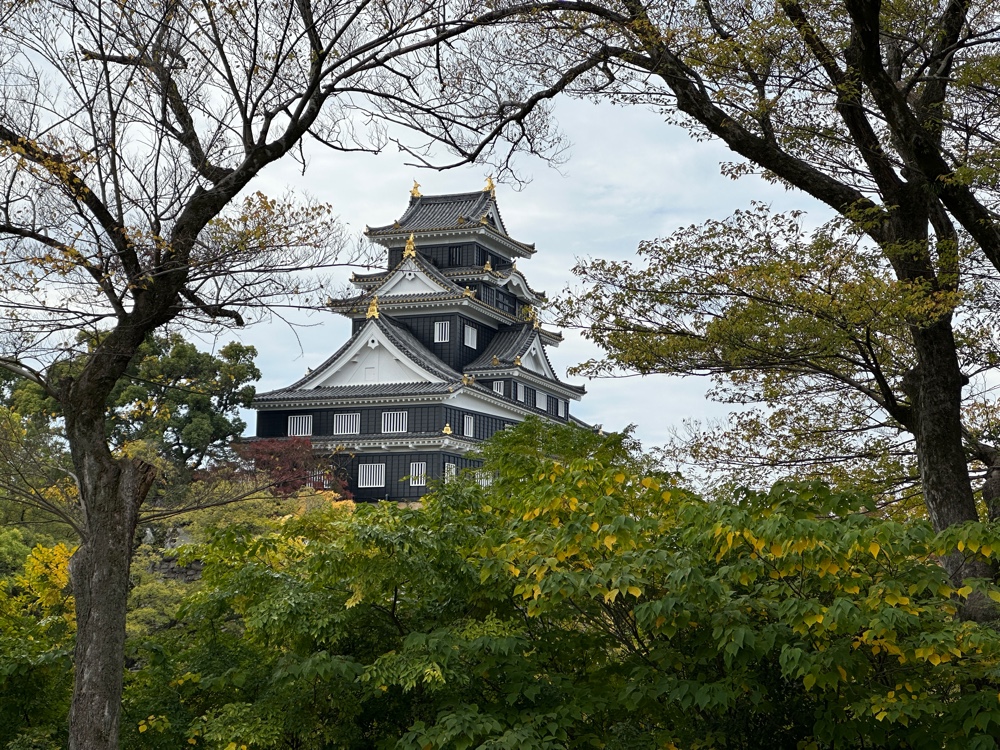
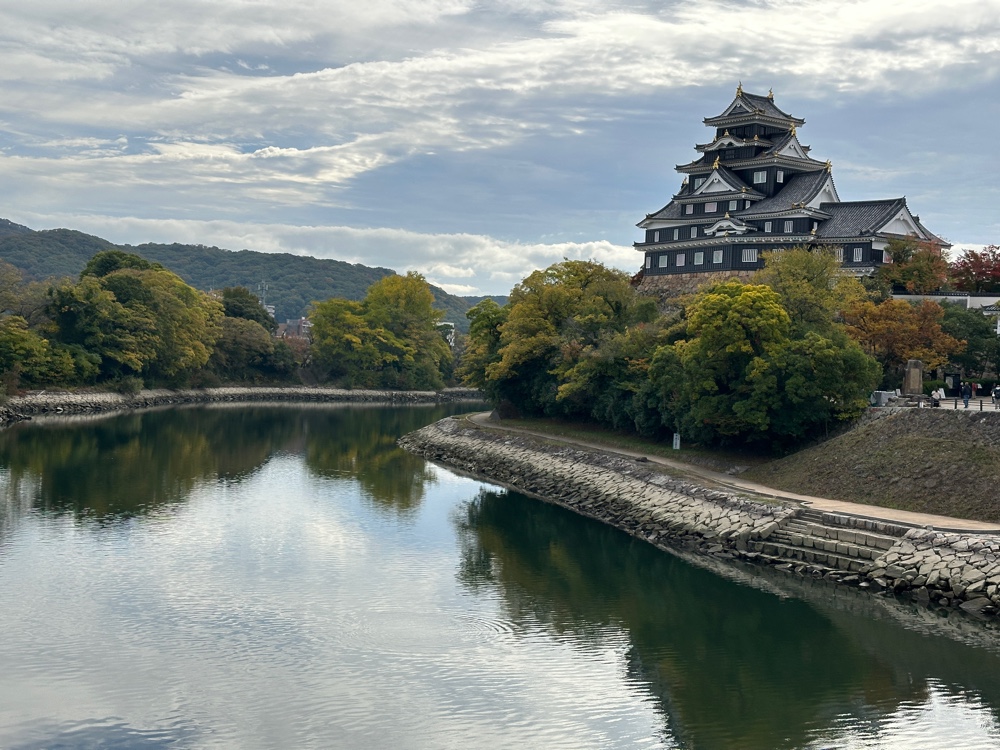
Yes, today we visited another castle. Remembering that there are only 12 original castles remaining in Japan, and we’re only visiting southern Honshu, it’s a bit surprising that we haven’t already run out of castles on our route! 


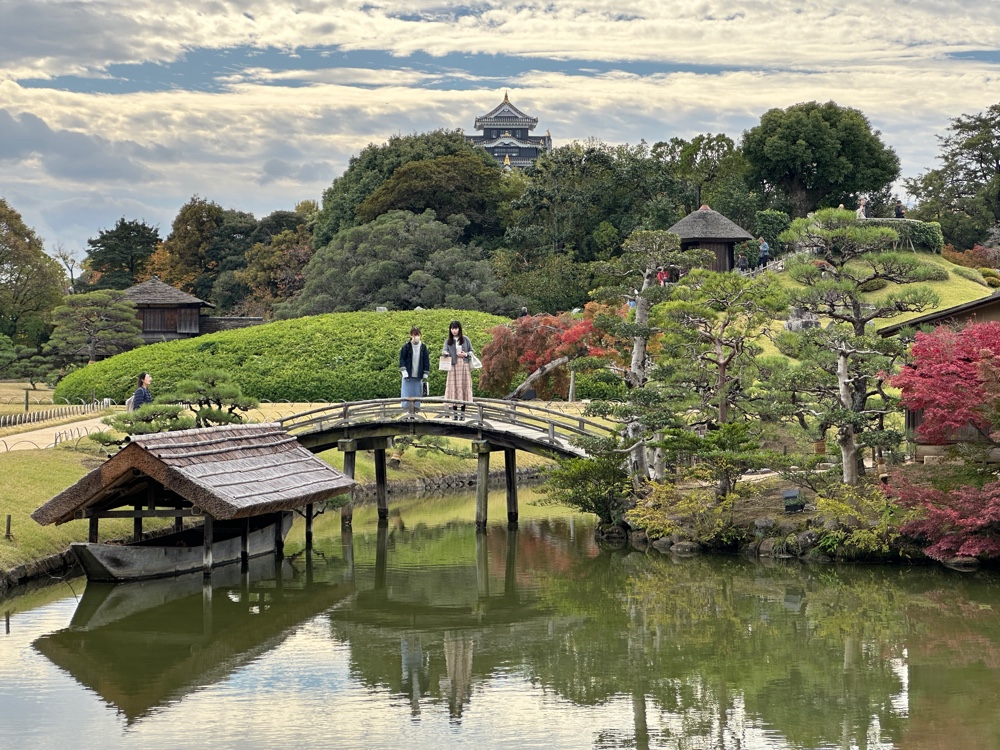
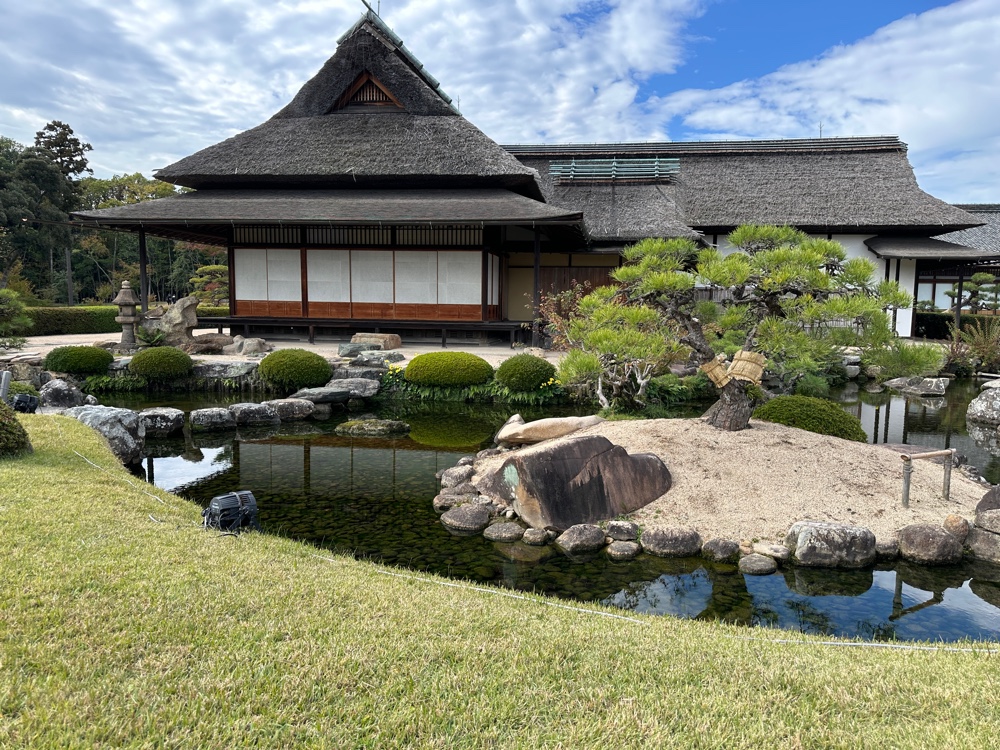
However, we didn’t go into the castle. It dominates the garden as “borrowed scenery”. 


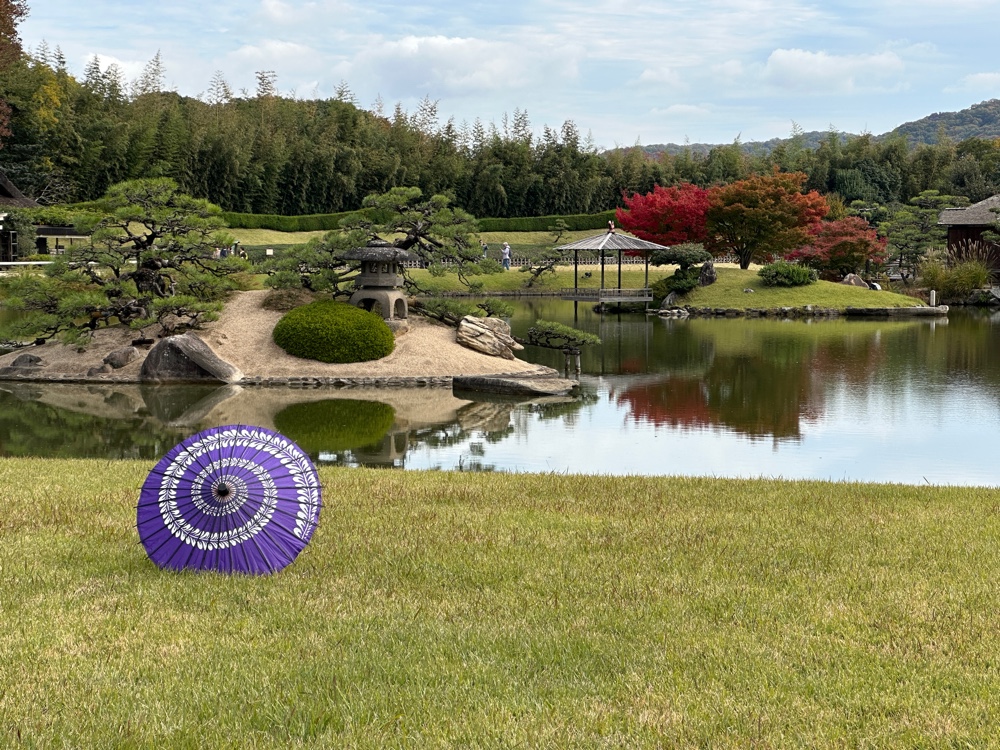
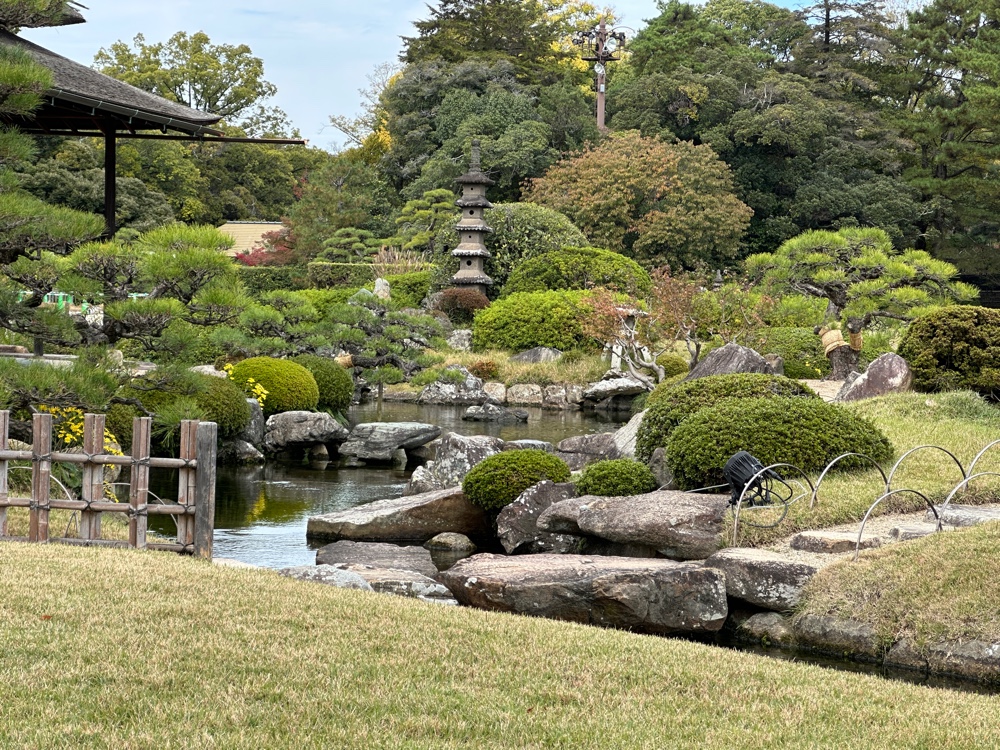
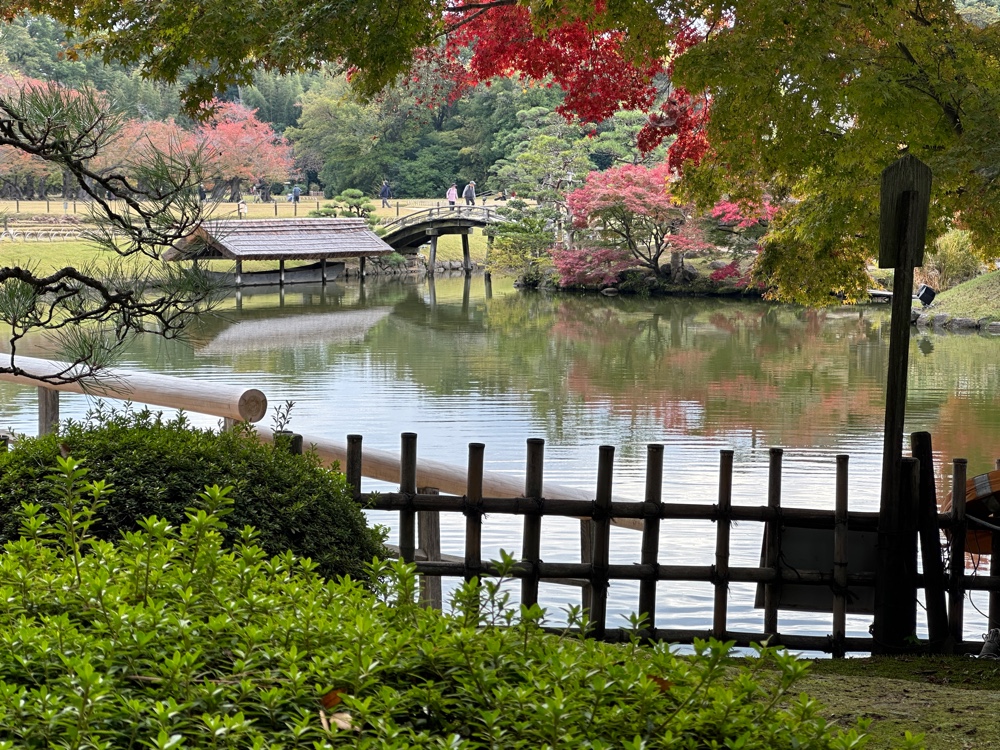
The garden itself is considered one of the three most beautiful gardens in Japan.


Afterwards, we visited Kurashiki, 


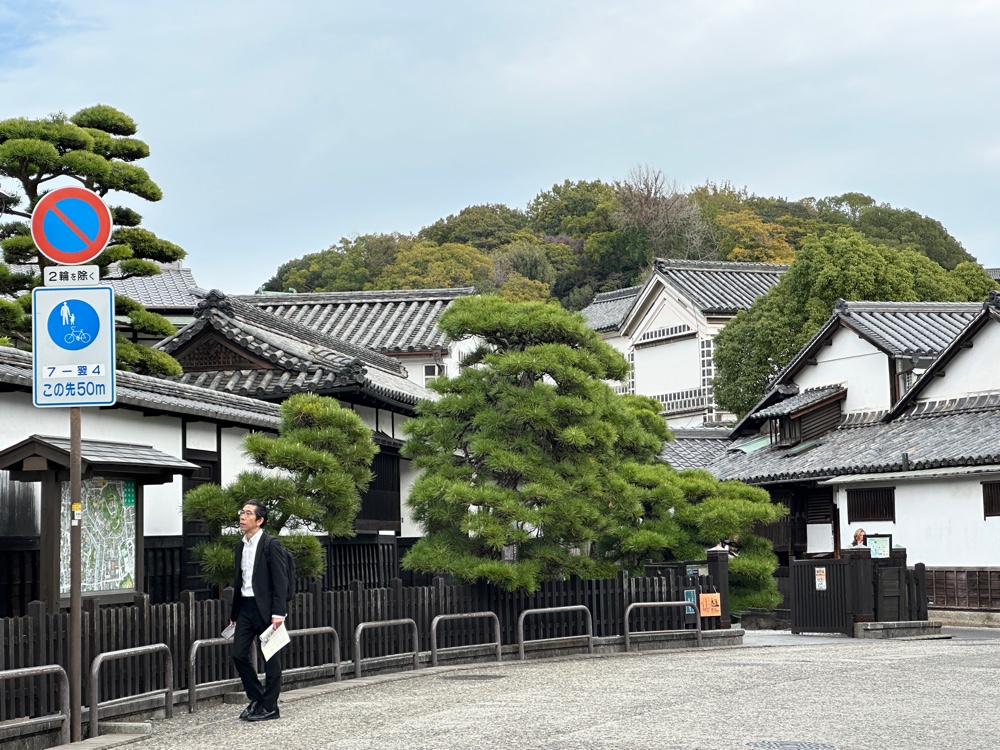
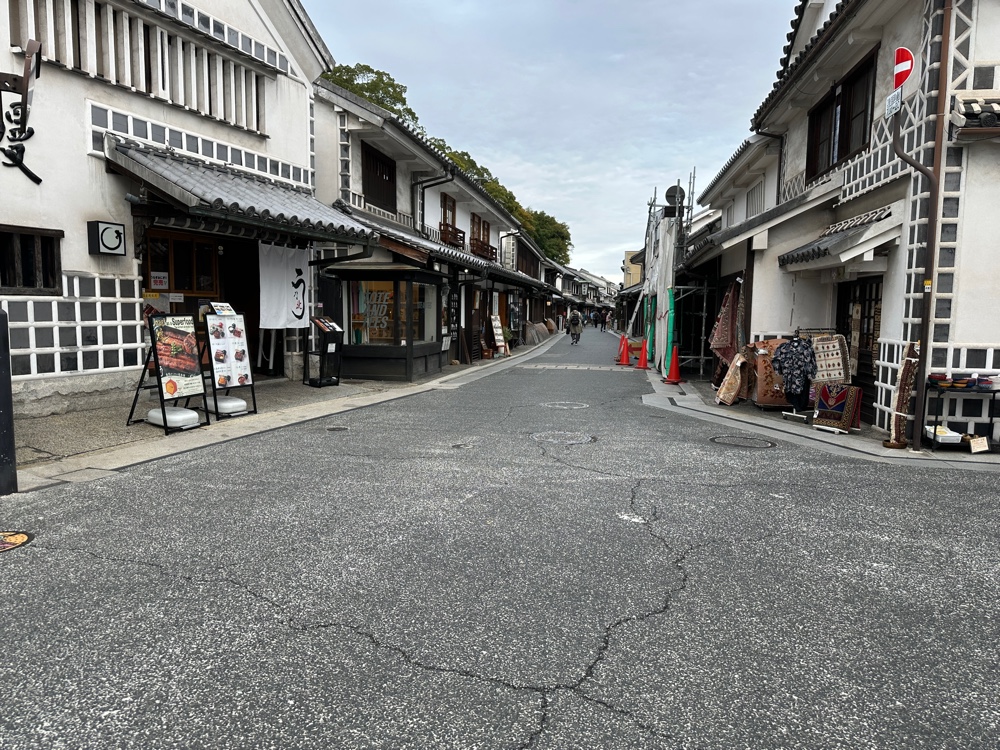
the old warehouse district, where many of the houses are quite old, 


and the warehouses have been converted into shops and other modern uses. 

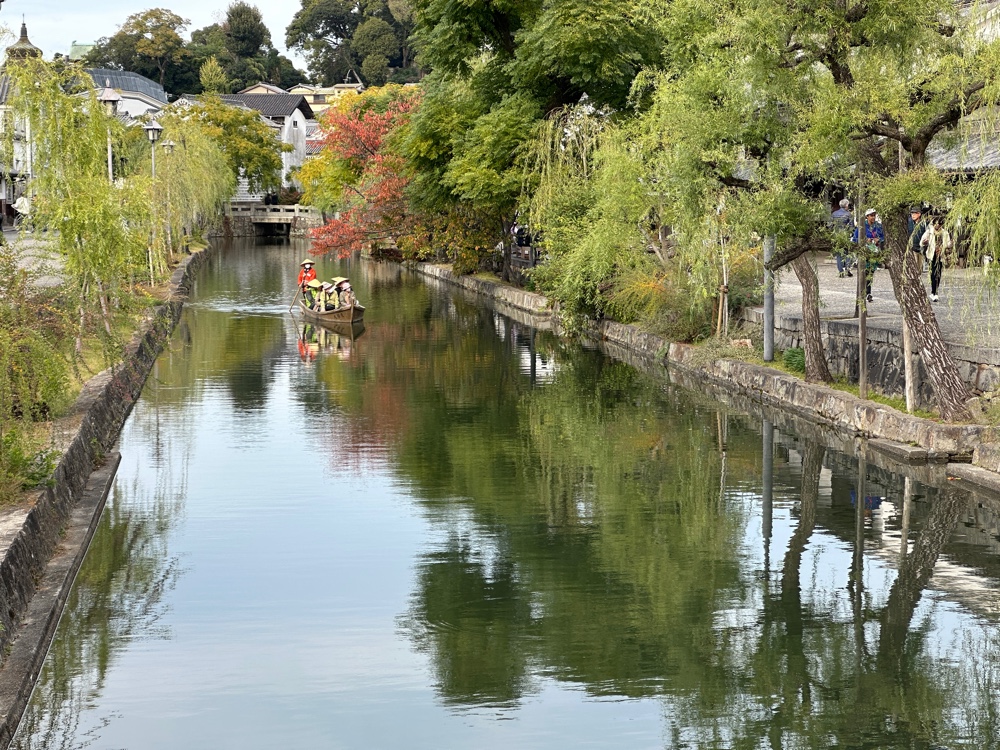
There’s a canal, and we watched people being dressed up and rowed down the canal.


Tuesday, 9 December 2025

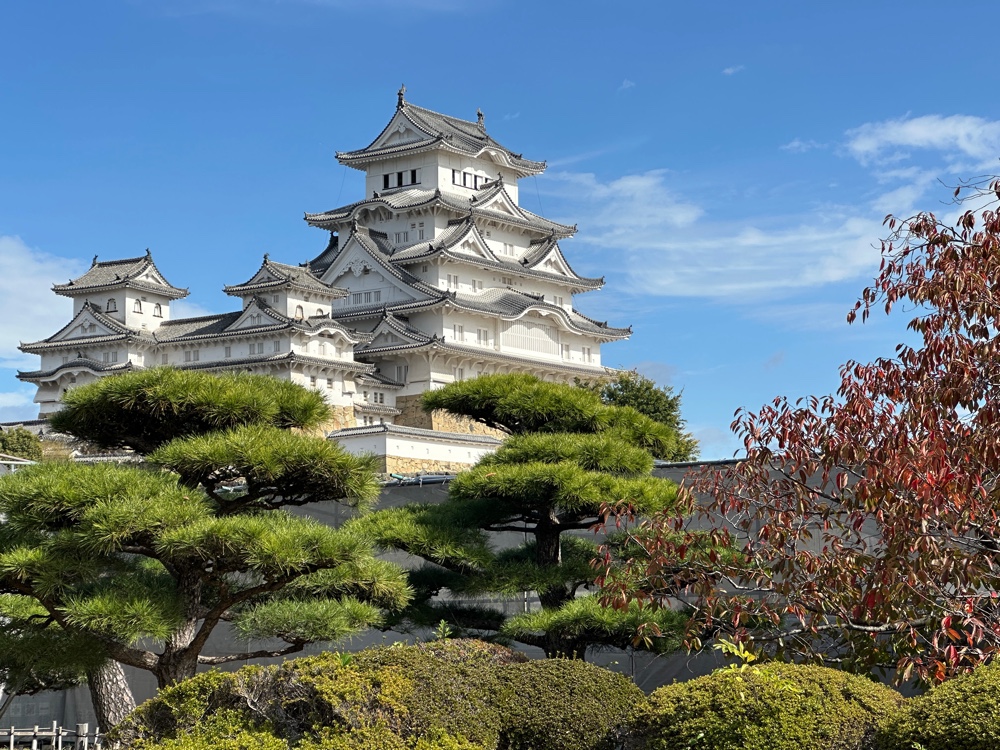
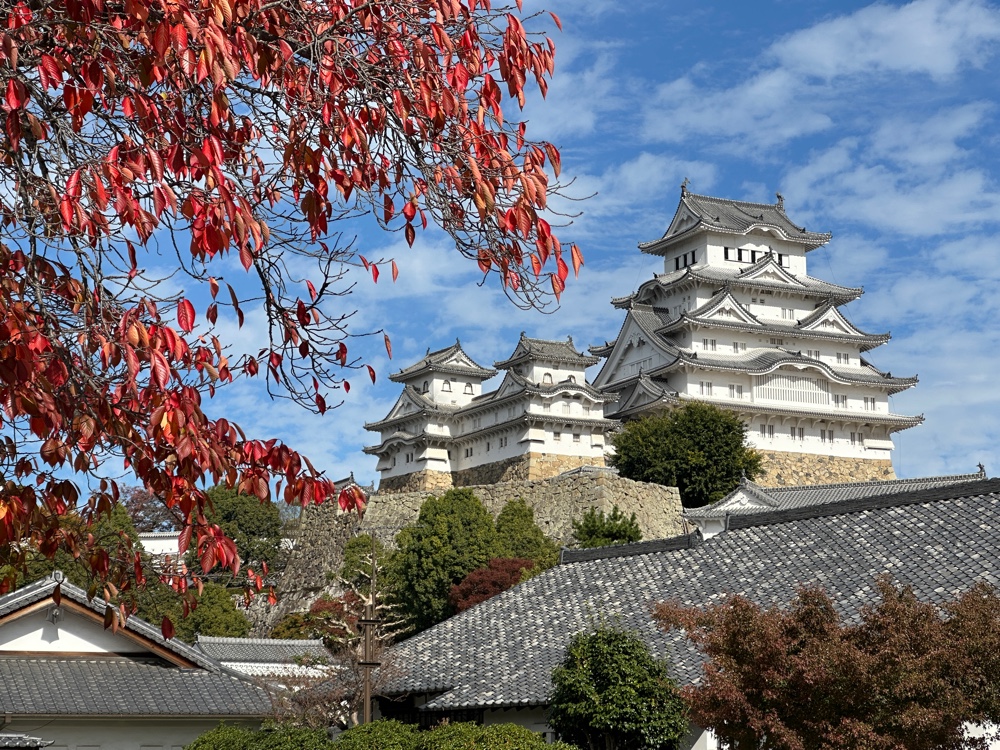
Himeji Castle

Today we left Kyoto early by Shinkansen to journey to Himeji (to see the castle), and then travel further on the Shinkansen to finish the day at Okayama. At Himeji station we really realised just how fast these trains travel, since a lot of them go express through the station. Each time the station rattled like it was in imminent danger of coming down!


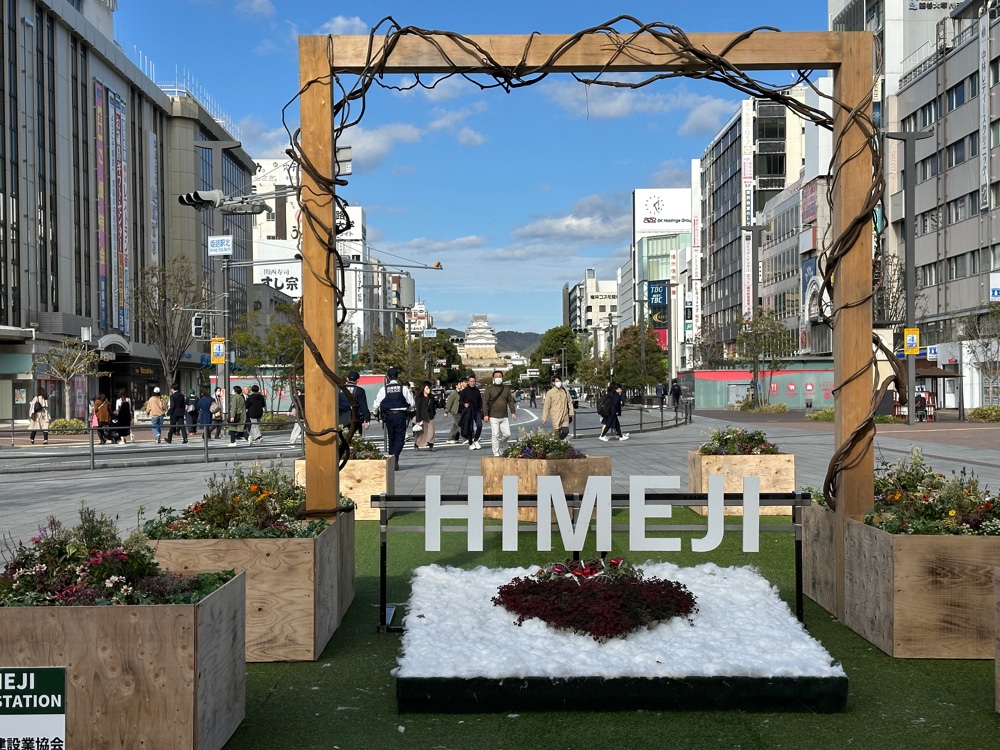
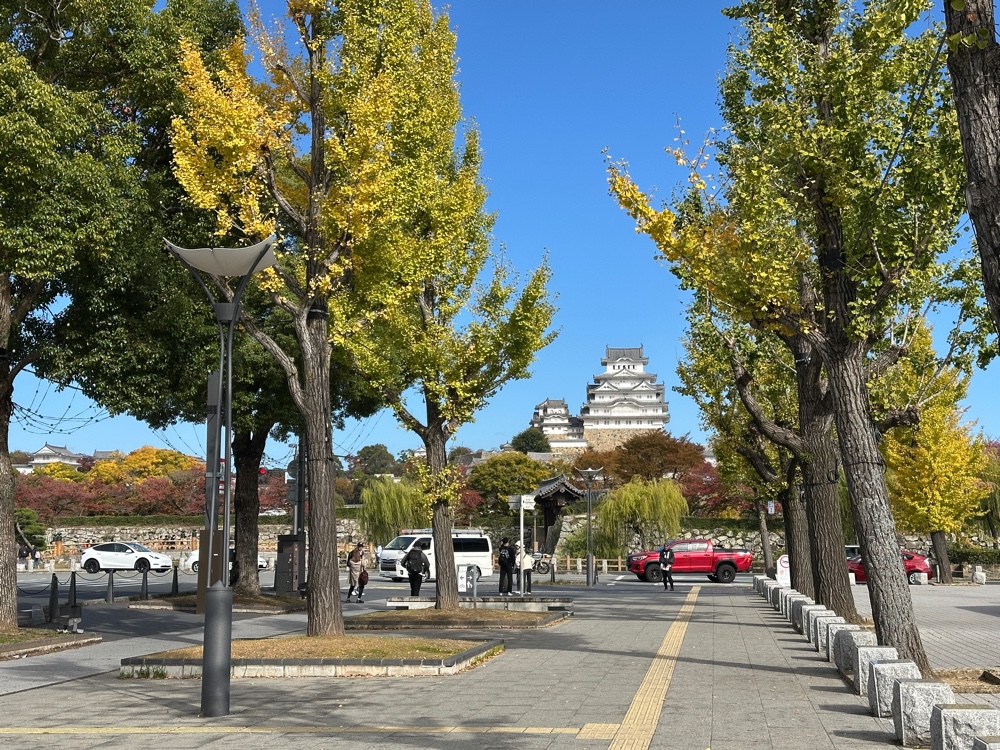
From the station it’s a shortish walk down the boulevard straight to the castle.


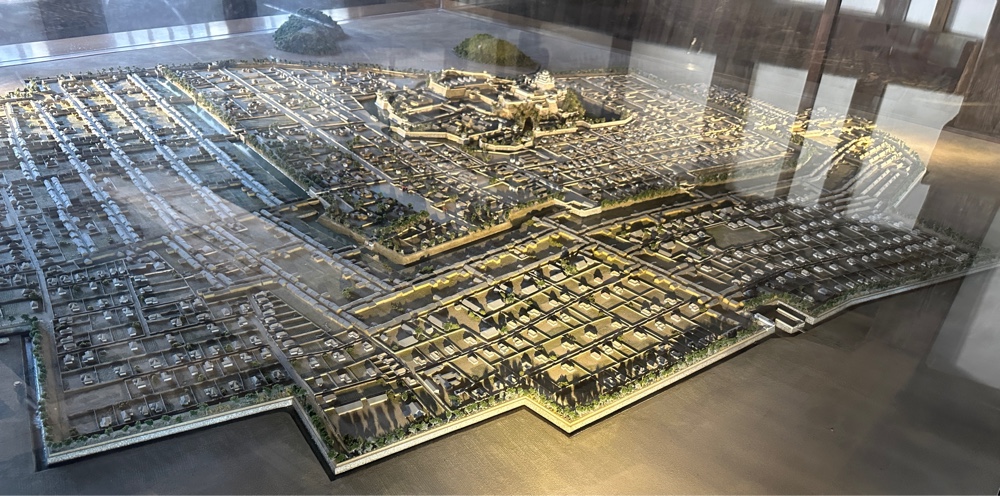
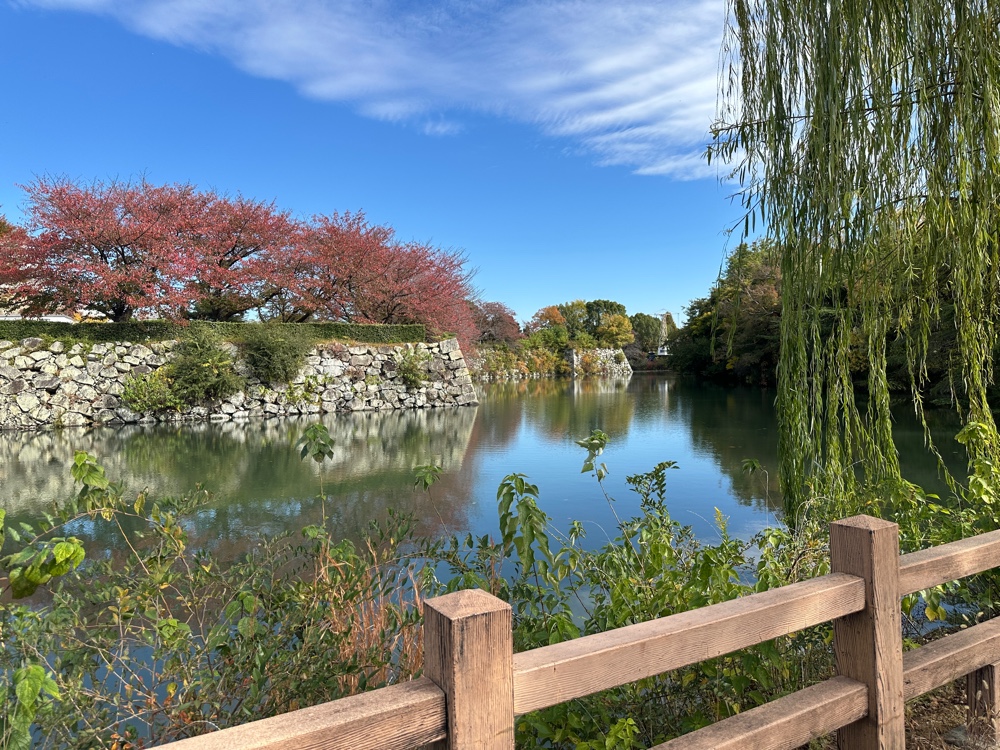
The castle still has ramparts and a moat, although it’s not nearly as extensive as it once was as you can see from the models I saw.


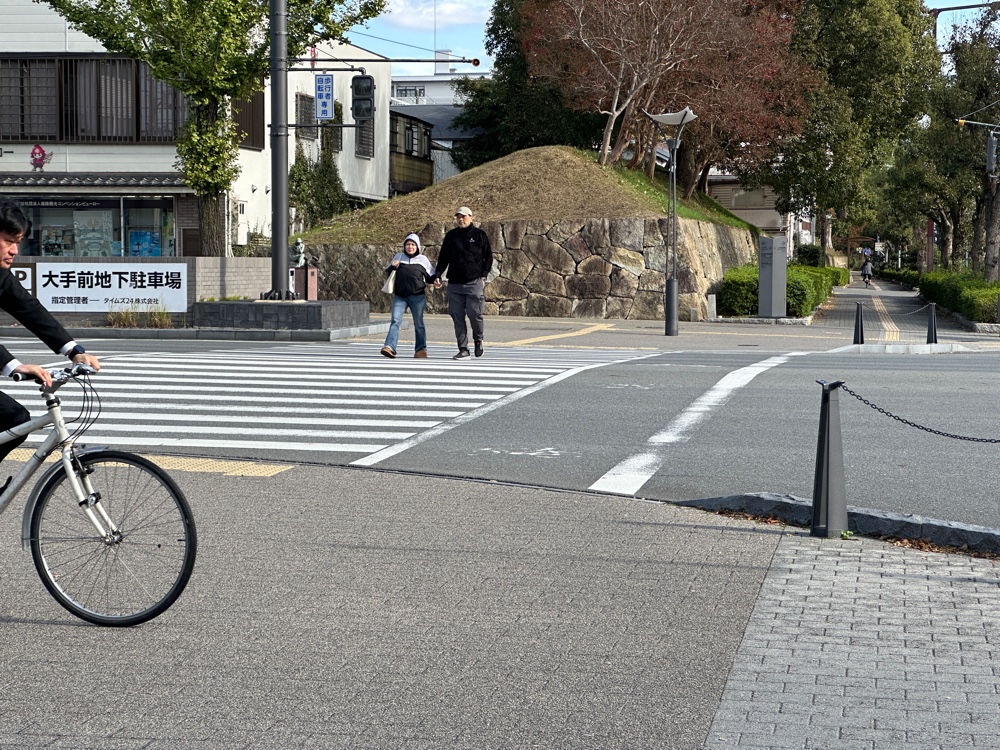
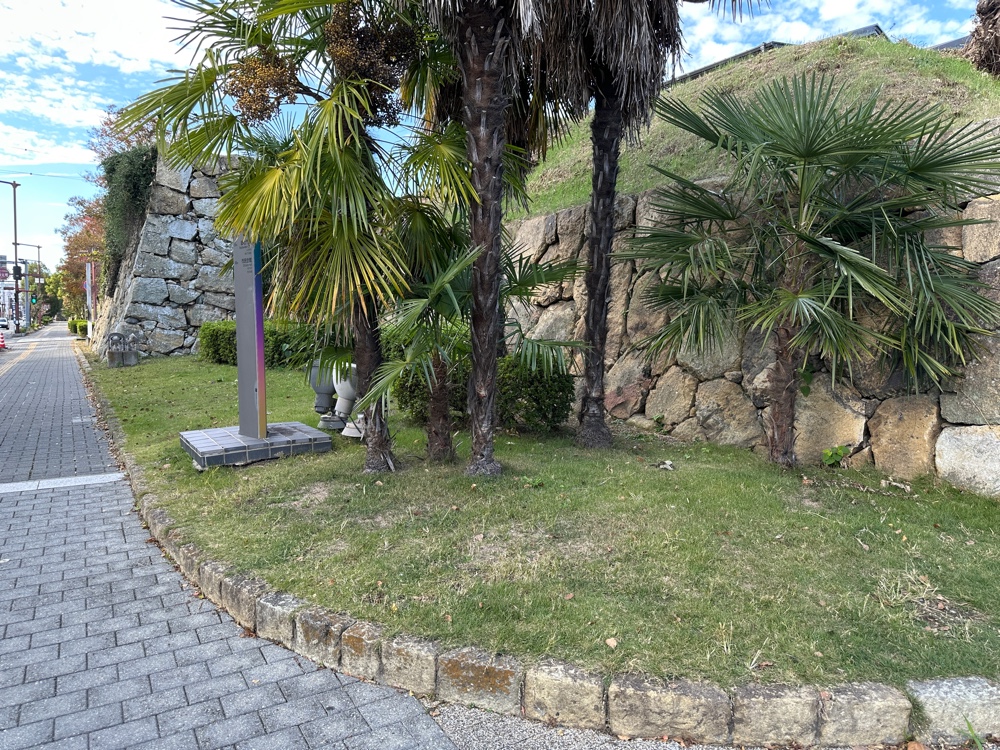
On my way back to the station, I passed by some mounds on a cross street that were obviously once one of the outer walls.


Anyway, once you’ve entered the castle precinct, you cross an outer moat, 


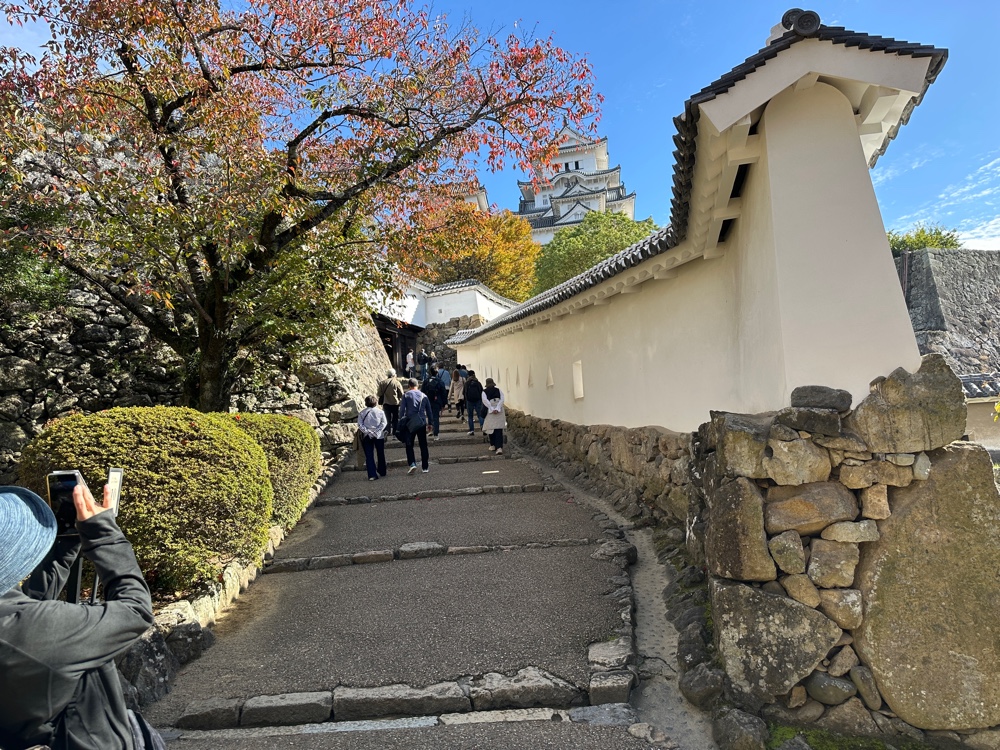
an inner moat, and then you need to walk up a fairly steep path to get inside.


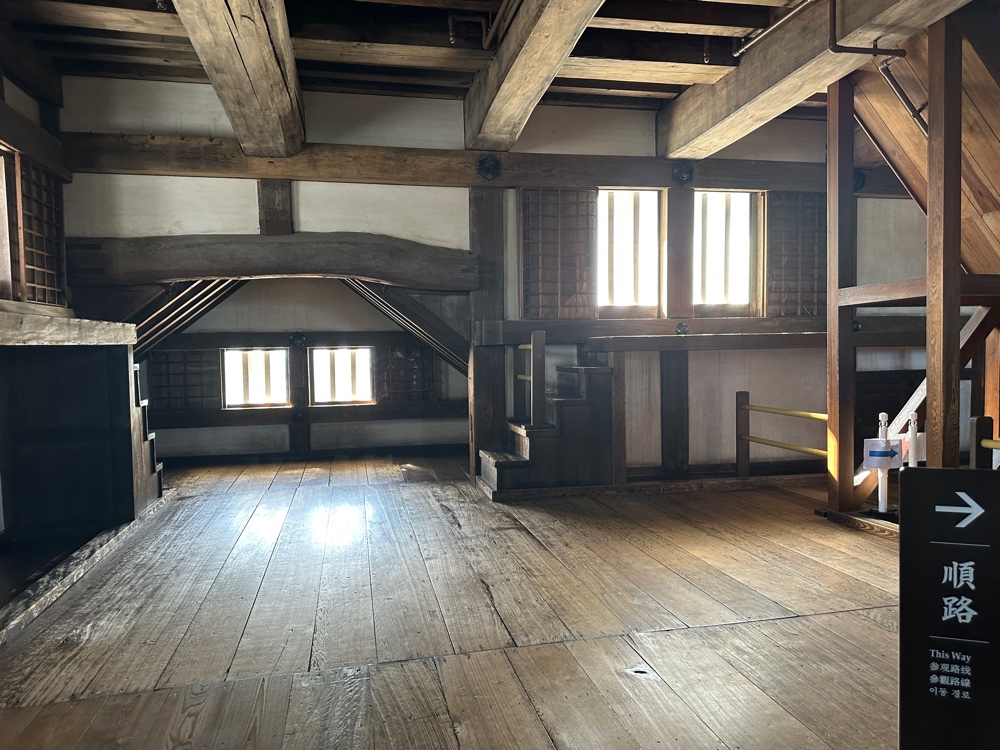
Like other castles, this was purely defensive. No living in this building! It had five floors from the exterior, and seven inside.


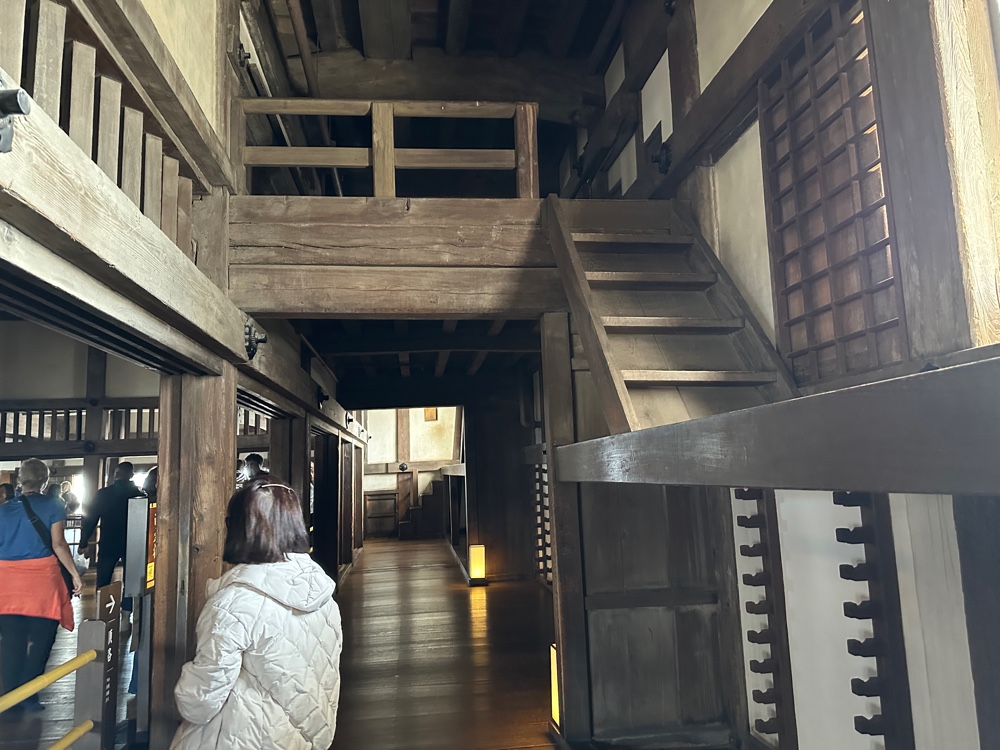
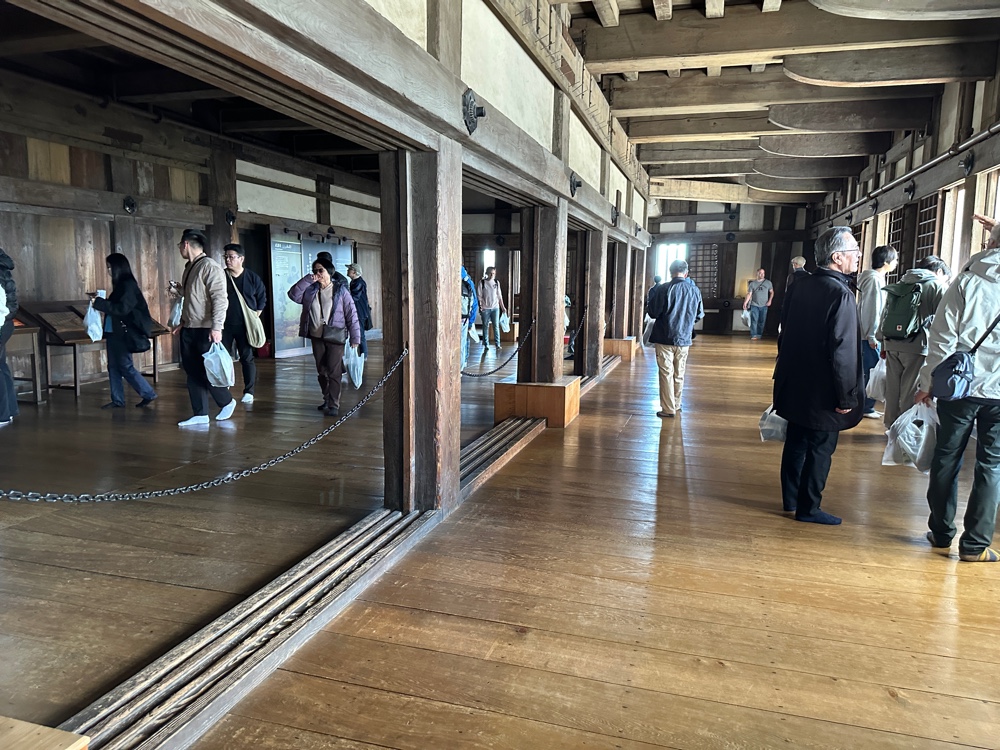
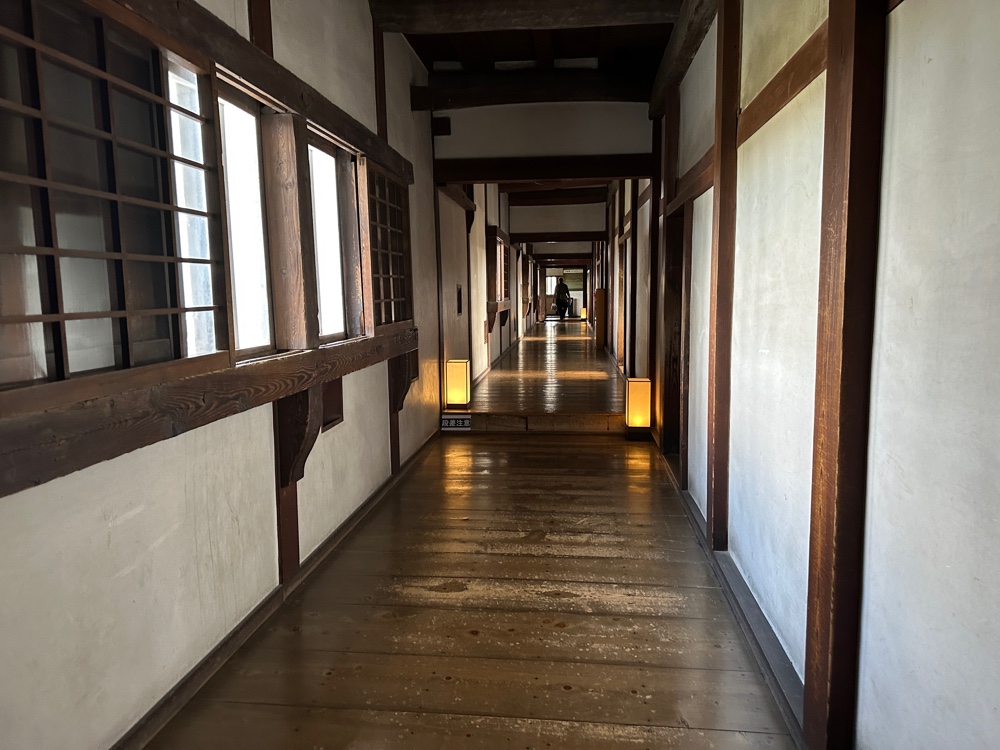
There were also sets of arrow and musket firing grills that were accessed from either above or below. You can see some of the musket racks in the second picture.


Today, the floors have no partitions, but in its heyday, the partitions were designed to add confusion for attackers. 


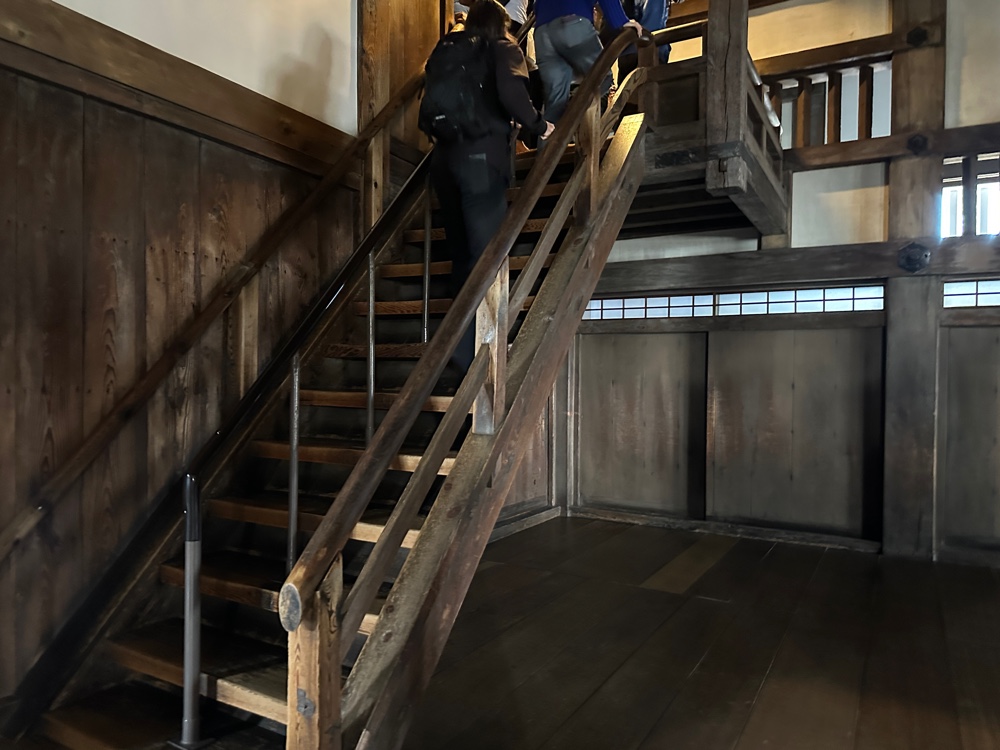
Like other castles, the steps were very far apart and difficult to go up or down.


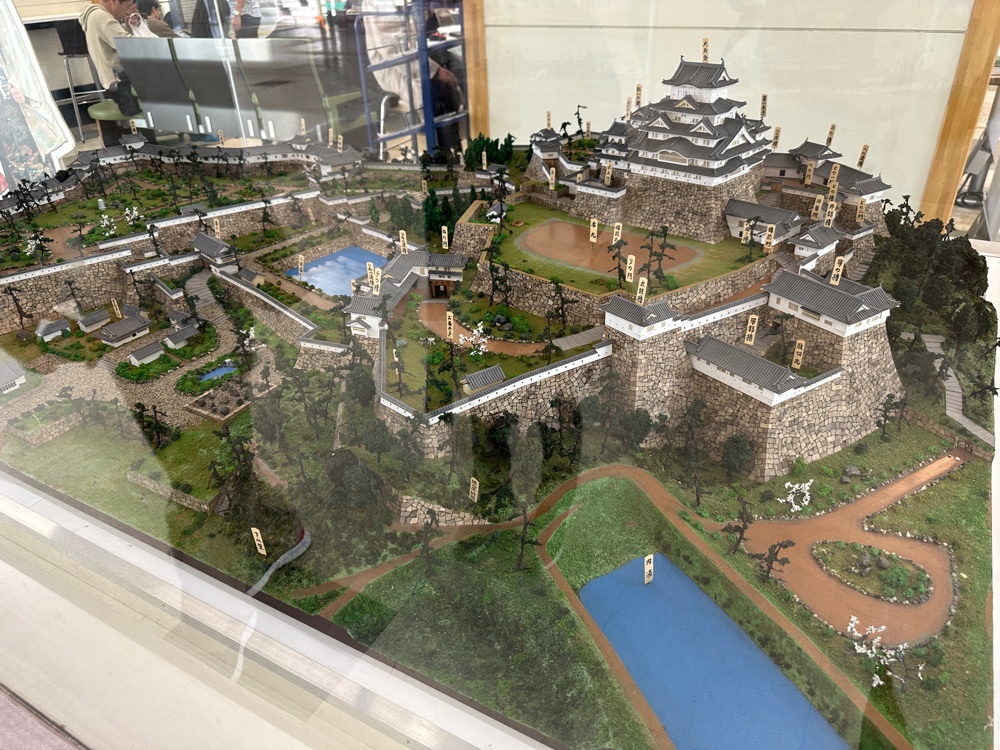
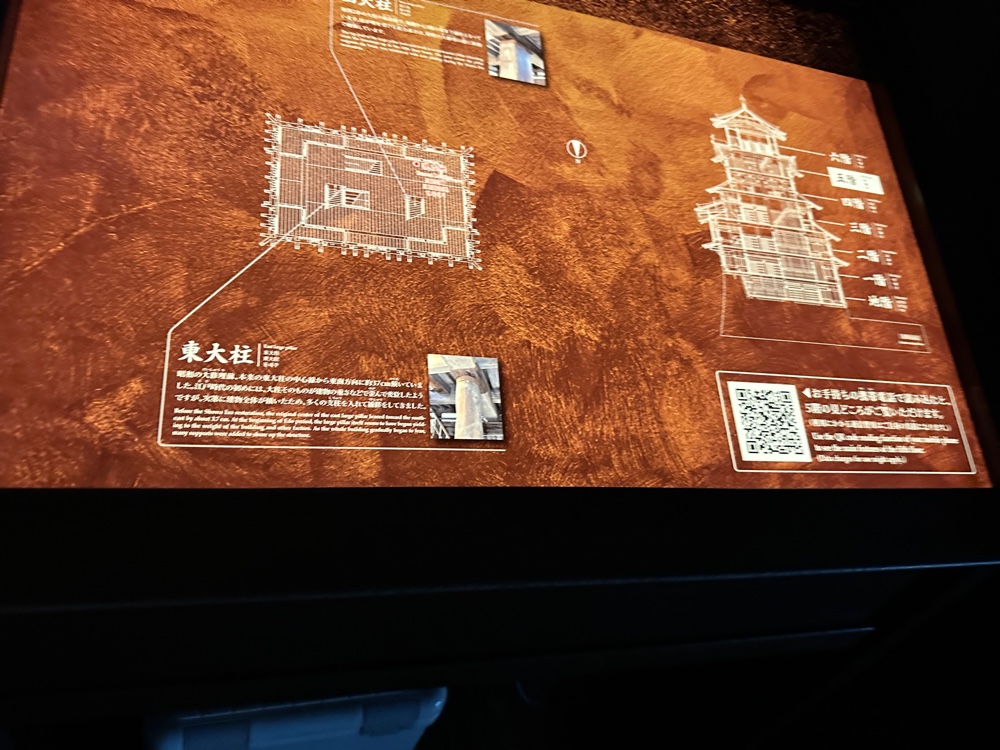
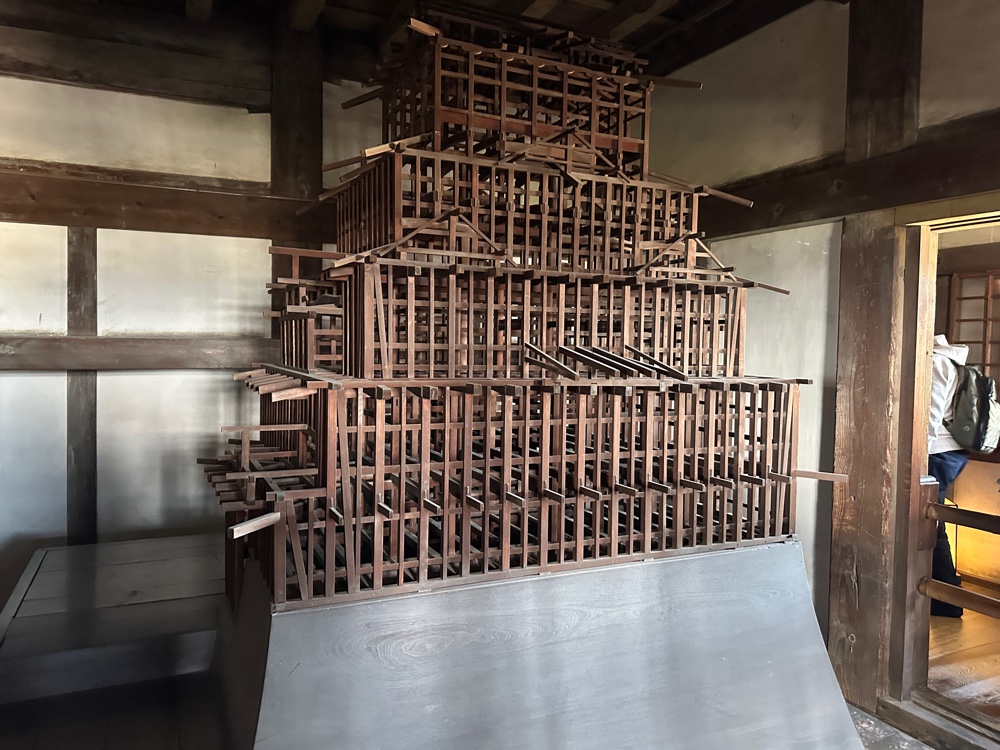
Some years ago, the Japanese government decided to completely restore the castle. They took it completely apart, and repaired and replaced damaged timbers in the building. They built this model of the castle to help them put it back together.


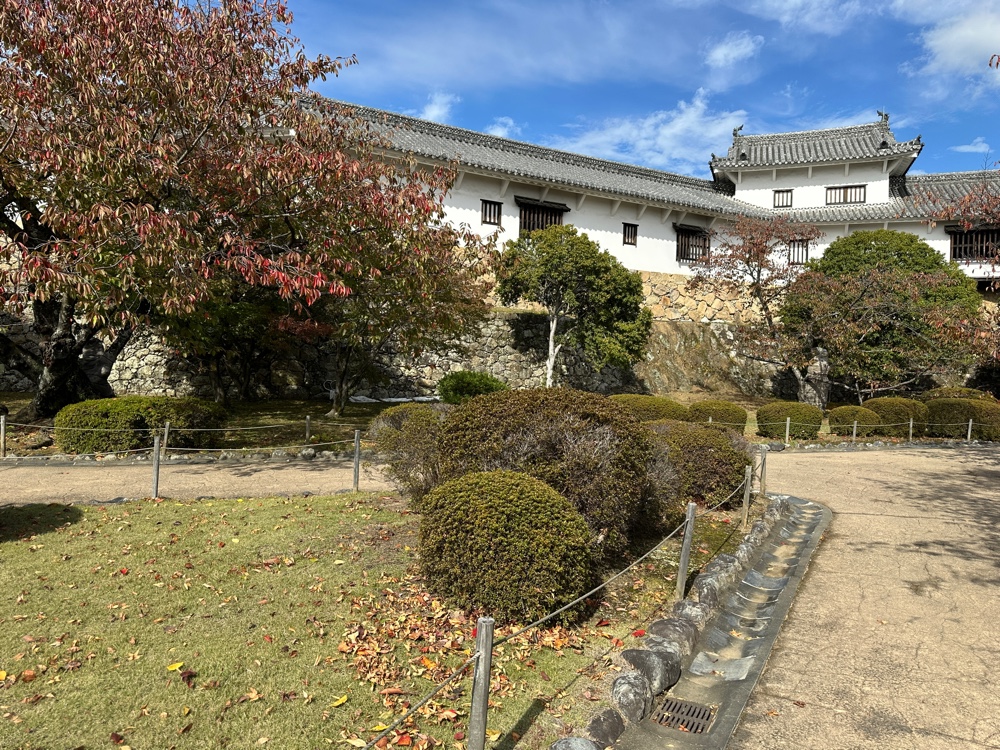
After I’d gone to the top, I visited the ladies building. This was on the highest level of the fortifications, and was definitely defensive too.