Monday, 24 October 2022

Alligator Mound

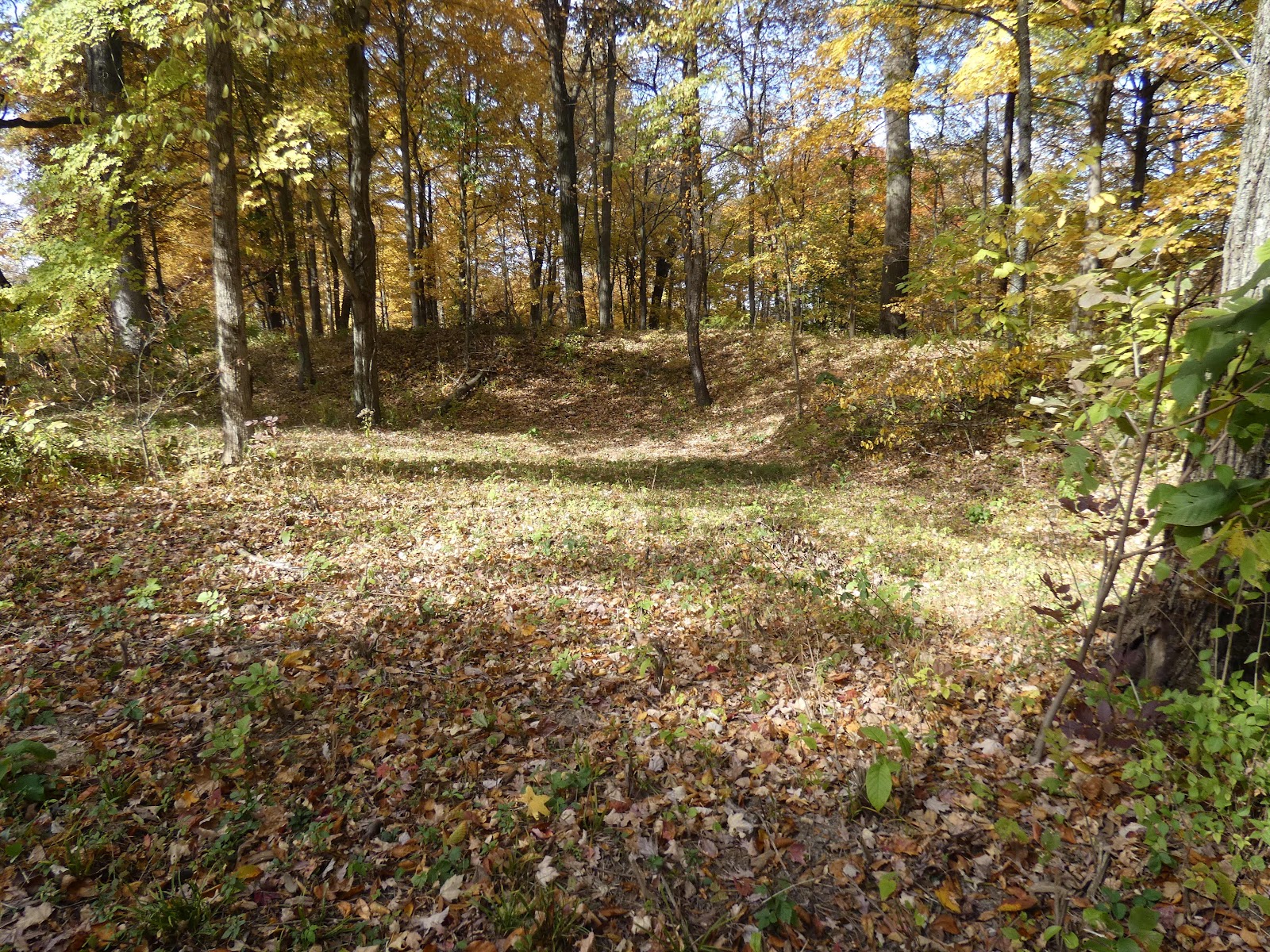
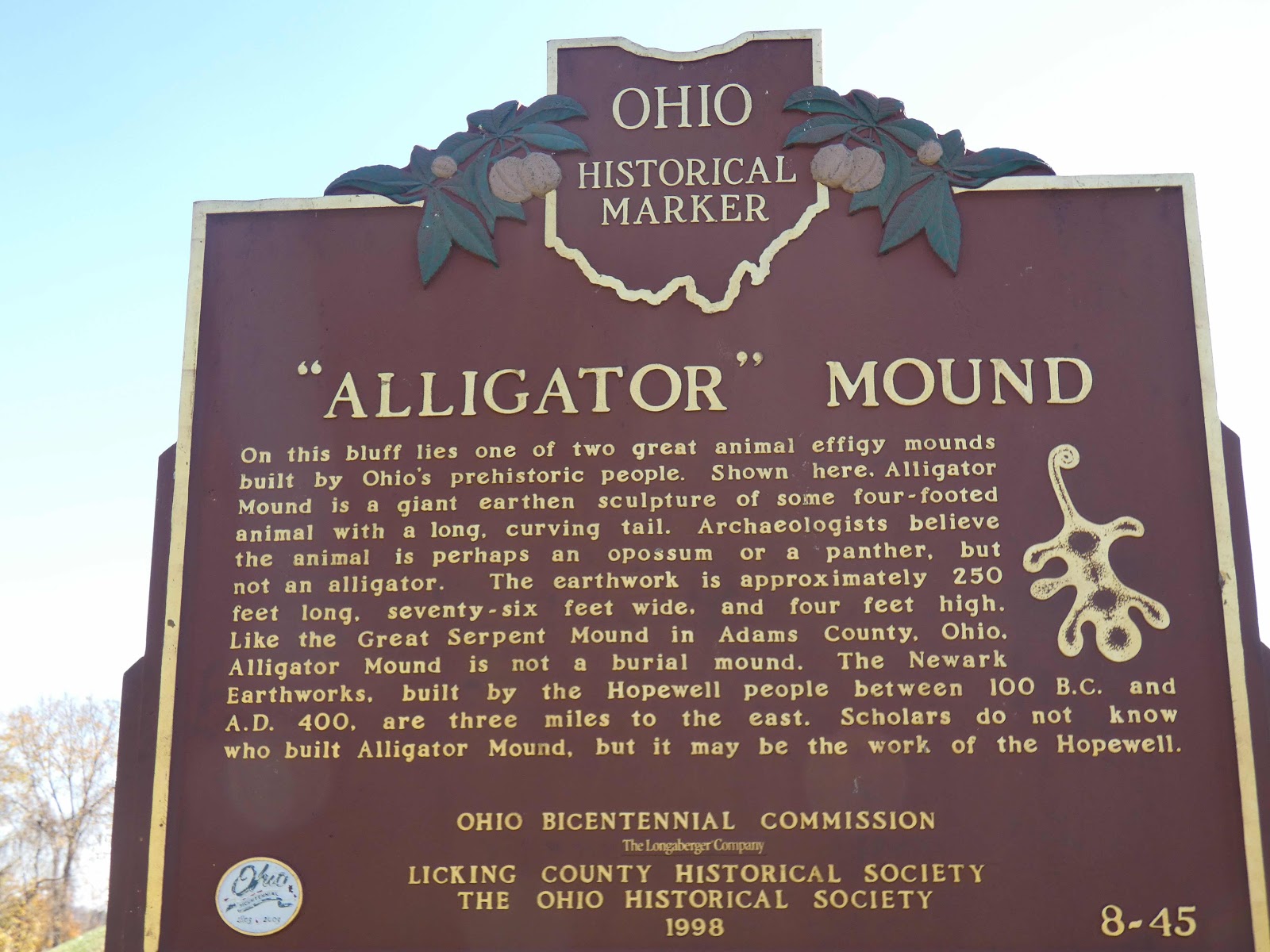
This is the other effigy mound in Ohio. It was difficult to find because there were road closures, and it’s not a park. It’s really a one way loop at the end of a suburban street. The loop forms the boundary of what anyone would guess was a very large burial mound.


But when you climb up it, it’s not flat, but has mound shapes on top.


There is a plaque that shows the shape of this mound. It’s clearly not an alligator.


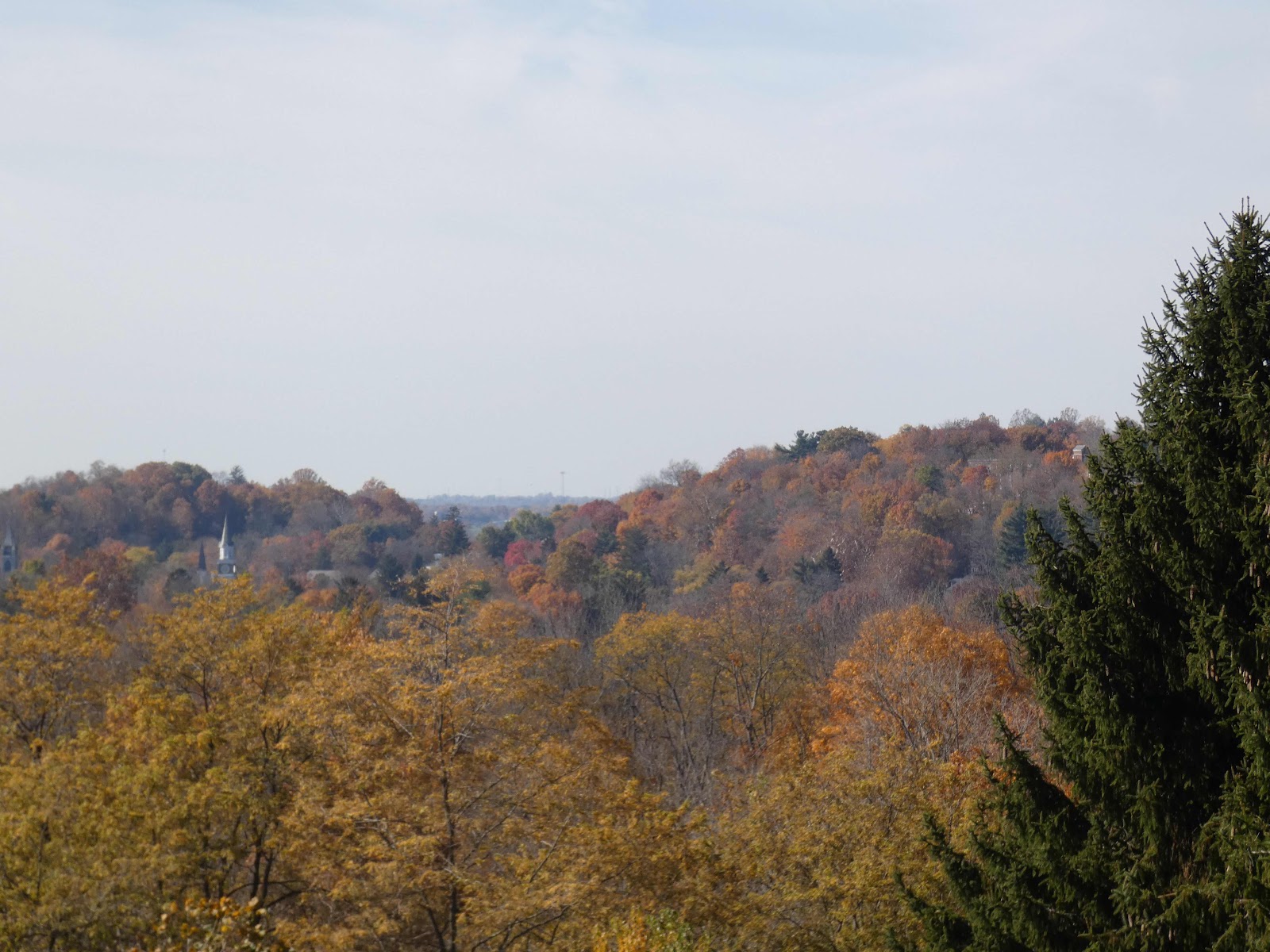
As with all the mound sites, the view from it is excellent.


I didn’t finish a patchwork piece today.

Fort Ancient Earthworks

This is the most spectacular mound site I’ve seen so far. It was built by the Ancient people, who preceded the Hopewell people. The site is a flat peak that slopes precipitously down to the river, as you can see from this photo, taken from a lookout built on top of a mound.


The site itself is quite flat, with some burial mounds enclosed. The exterior mound is a chain that’s broken regularly. The breaks allow the important celestial events (like the most northerly point of the moon rising) to be observed.


There are places where pools of water were created by the mounds enclosing a dip.


There is a very narrow part where the southern and northern ends of the earthworks join and the road through Fort Ancient actually cuts into the mounds on both sides. You can see another burial mound very close to the road. This was a gateway between the two halves of the site.


Sunday, 23 October 2022

Fifth Day and Smeck Park

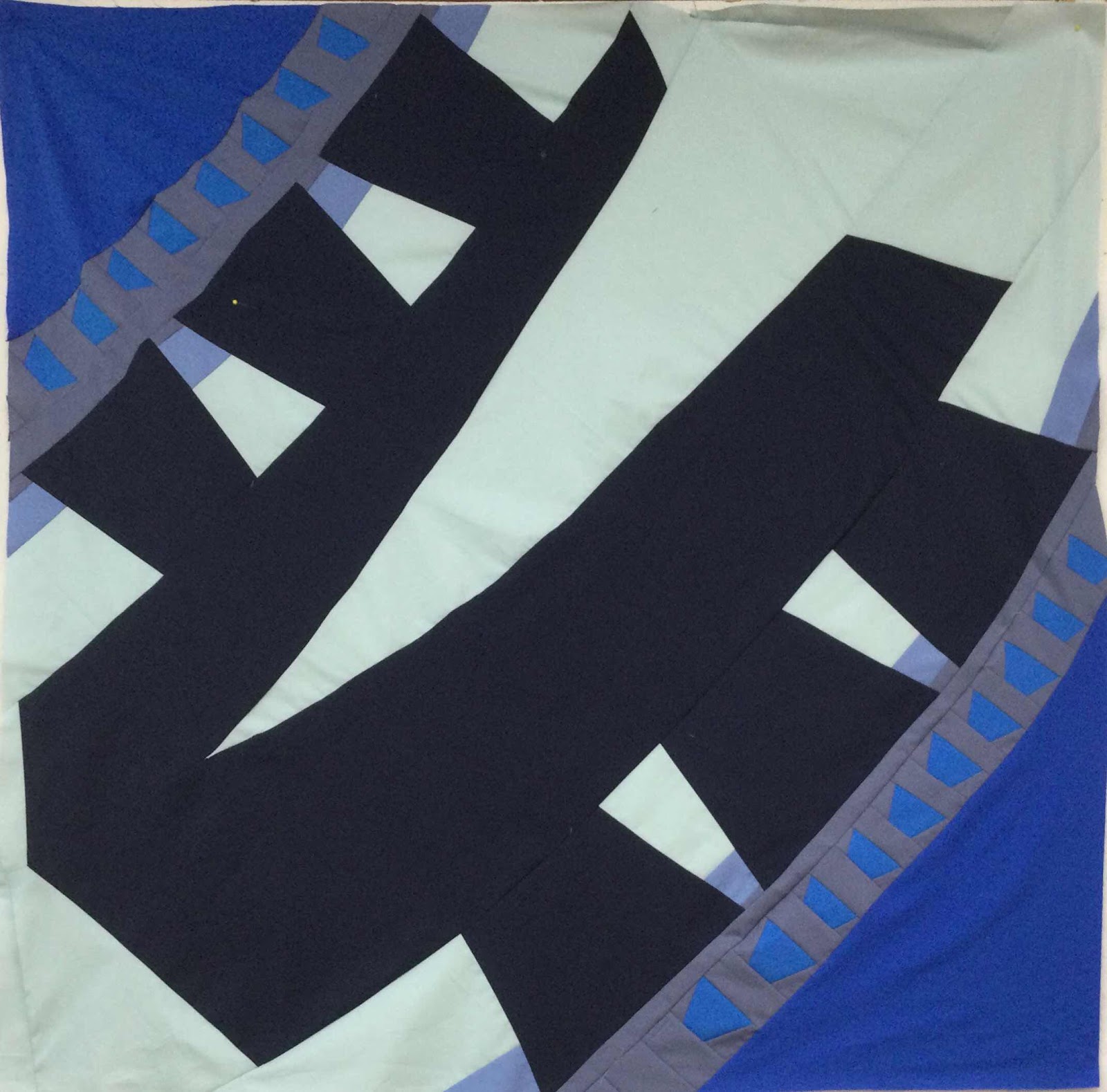
On the fifth day I completed the sample that I’ll use for the next exercise.


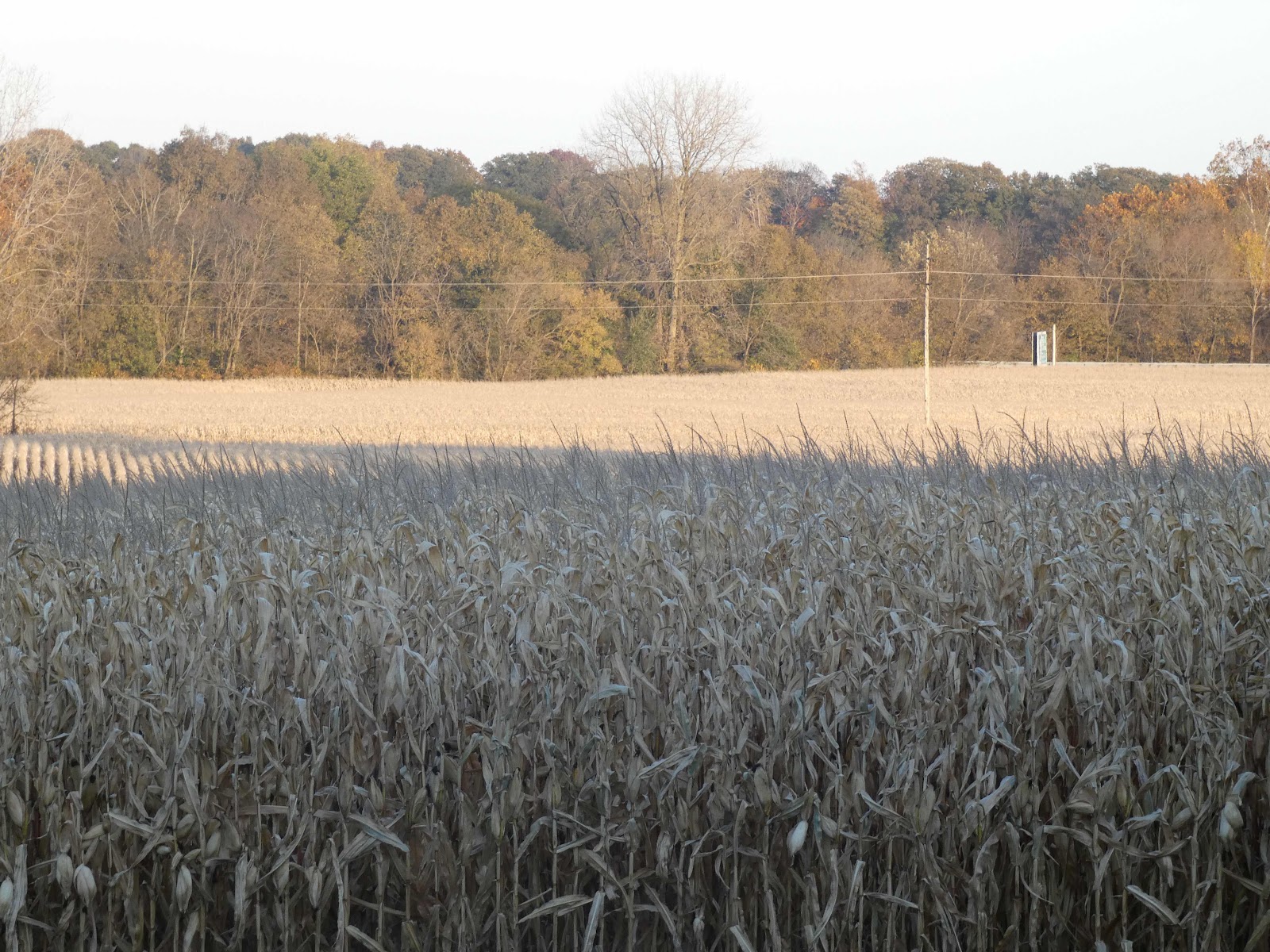
The class finishes early on Fridays, so I went to Smeck Park to see what it was like in the hour before dark. When I stopped there, I saw a field of corn with some trees with autumn leaves. This is what I’m thinking is what Ohio looks like.


There’s a lot of harvesting going on, and there’s a lot of farm equipment in the fields and on the roads.

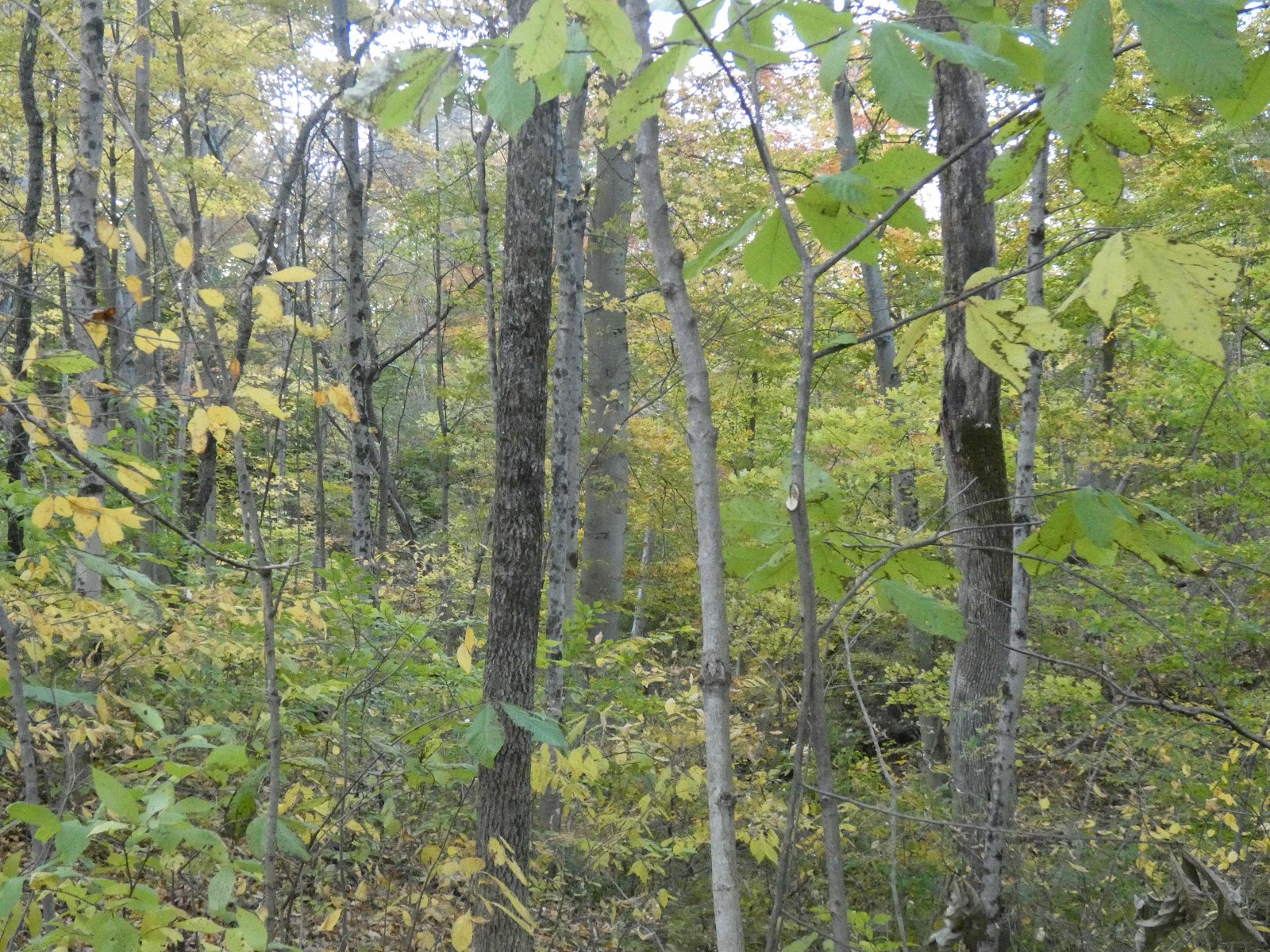
The park was fairly uninteresting in the beginning, but the trail through the park is really nice.


Serpent Mound

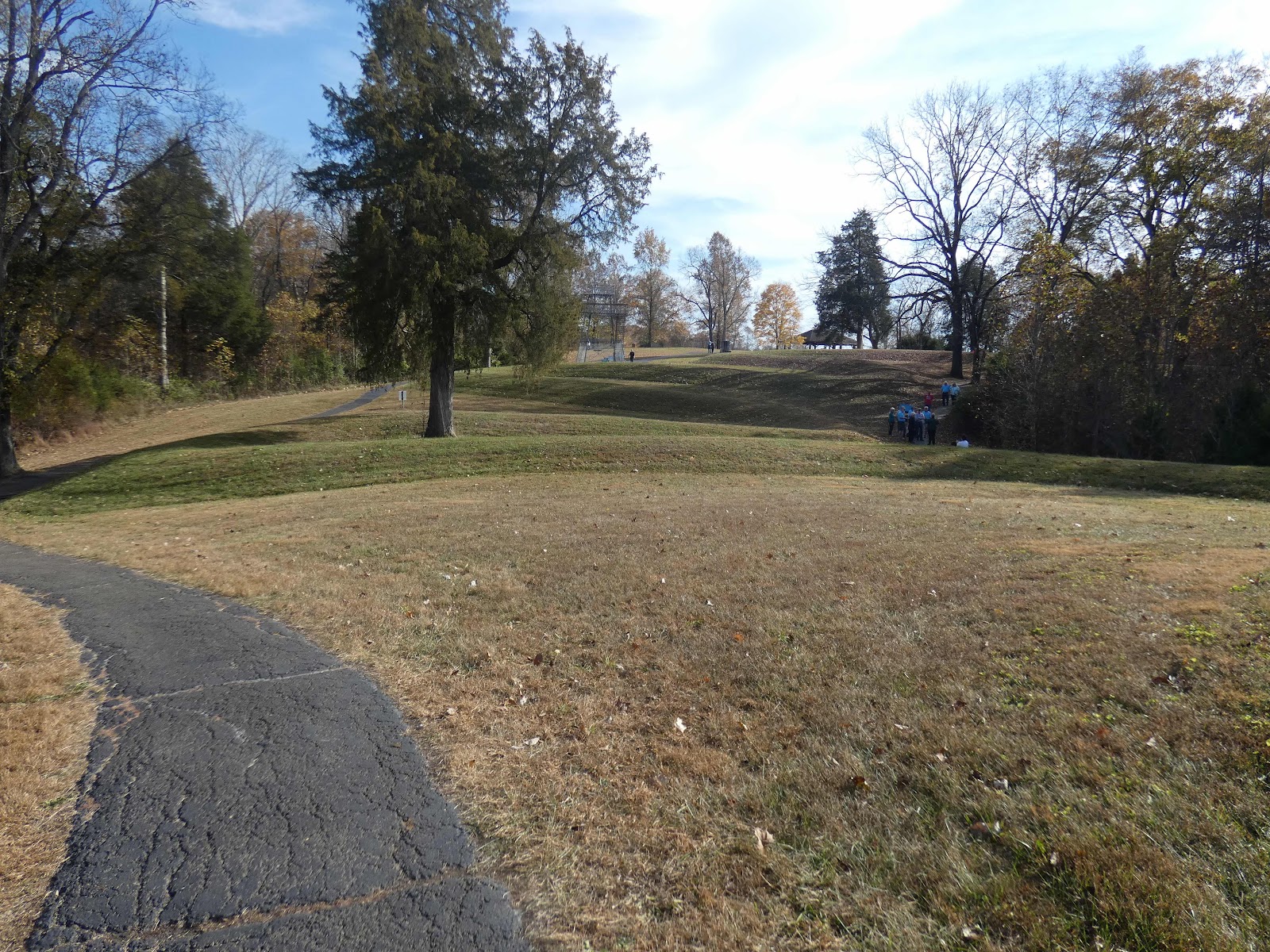
On Saturday I visited the serpent mound, an effigy mound representing a snake. It’s quite beautiful.


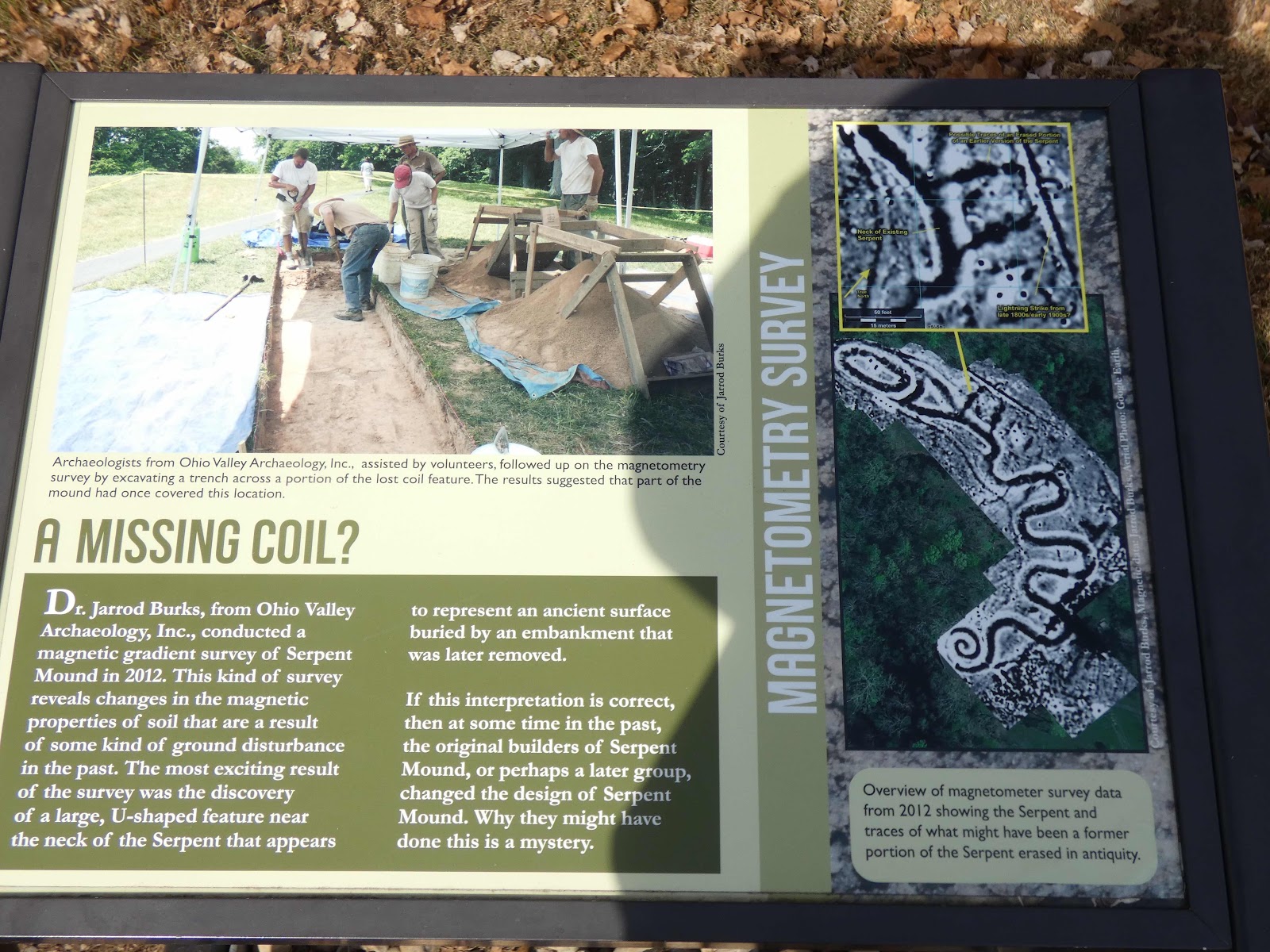
Unfortunately the viewing platform is closed for repairs, so I couldn’t see it from above. However, the mound is so well executed you can get a really good idea from just going around it. They’ve done a ground image of it


And you can see it’s shape from the image.

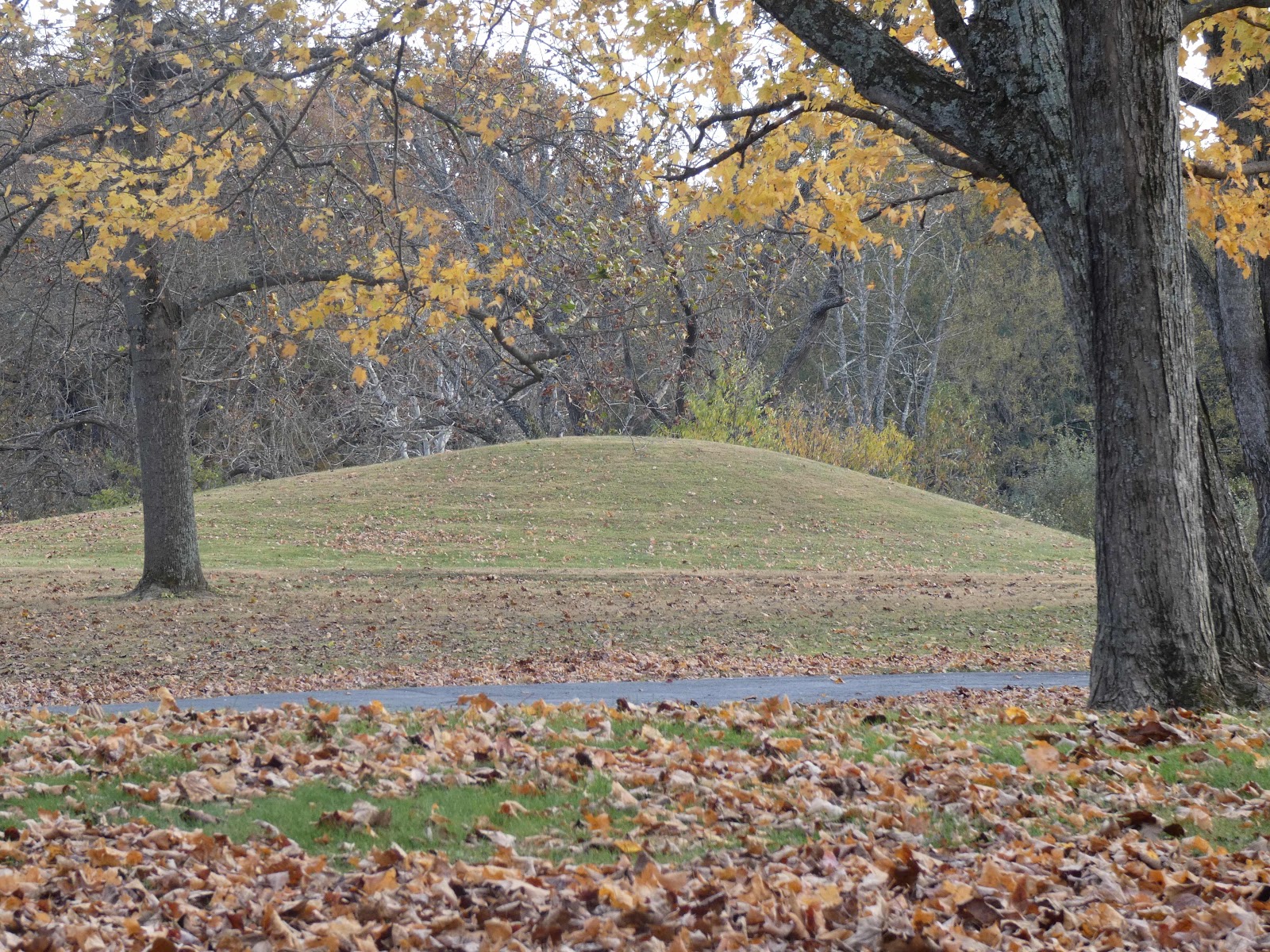
Of course, there was a burial mound here as well.


Fourth Day and Buckeye Lake

Today I finished the last two versions in the first exercise.


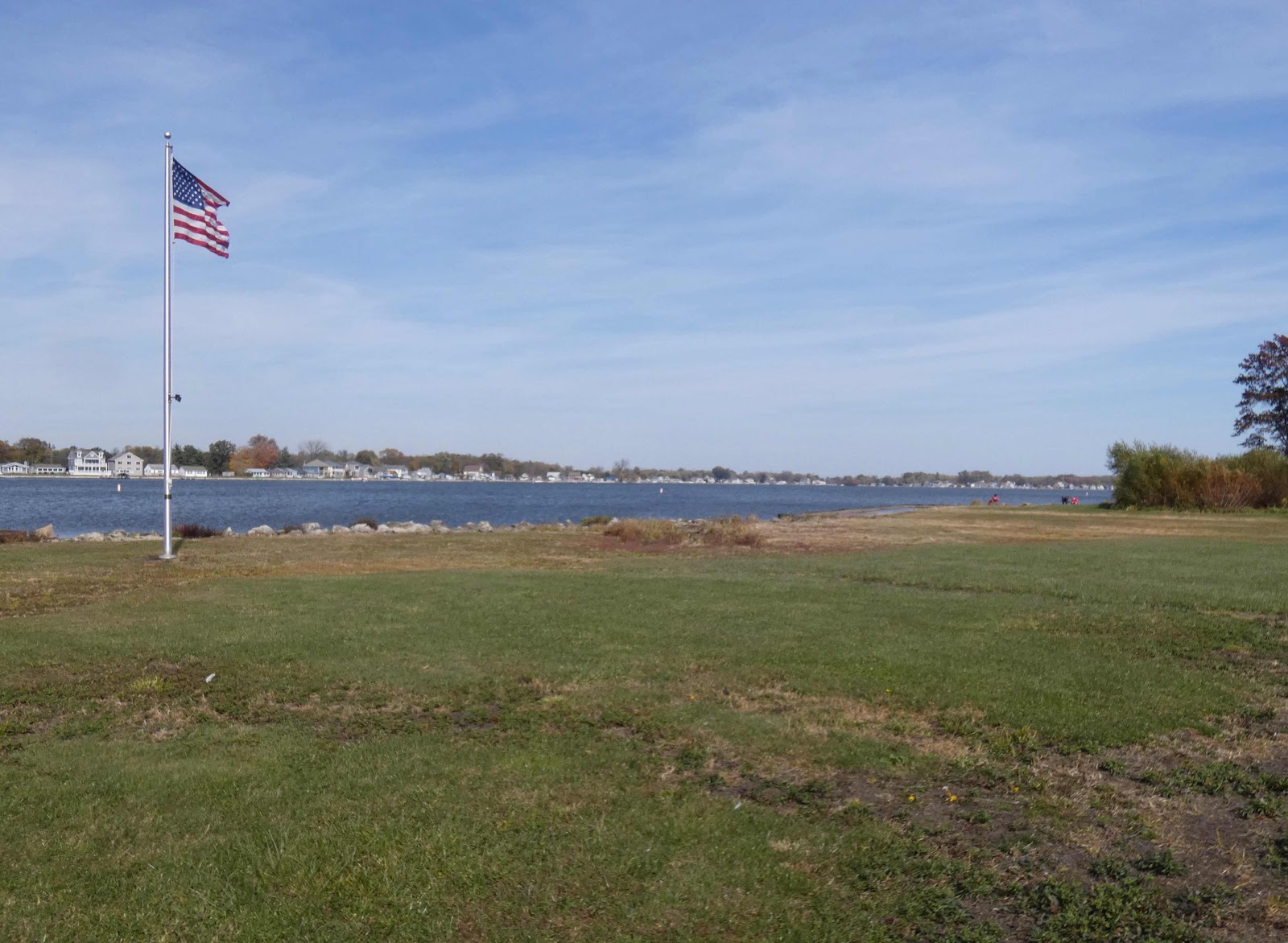
At lunchtime I decided to visit Lake Buckeye. It’s very flat and at first I thought it was quite uninteresting. However, there was once a swamp here, and it’s the highest point on the Eyrie canal, so they built a lake here to have water for the canal.


So I have completed another peak!

Saturday, 22 October 2022

Hopewell Sites

For many years I’ve been fascinated by what early peoples achieved. Some of these were in the Mississippi basin, and were called mound builders. The Hopewell people are amongst them.

I’ve been meeting people from Ohio throughout my journey, and whenever I tell them that I’m going to Ohio, the universal response is that there’s nothing to see in Ohio. Nobody told me that the Hopewell people were in Ohio. The first morning I was here, I looked for a park to walk in, and discovered that there are several Hopewell sites within a reasonable distance. You are going to get sick of mound builders! 

There are several peoples who built mounds. The Hopewell people did it around 2000 years ago. Some of their mounds are burial sites, where they built a cremation place, cremated someone and buried their ashes with grave goods. Some time later, generally after several people had been cremated, they covered the cremation place in layers of earth interspersed with sand to create a (generally circular) mound, more than a metre high. The picture is of some of these mounds in what’s known as Hopewell Mound City.


There are also long mounds defining square, rectangular, circular and octagon areas. These are thought to be ceremonial areas, and usually they incorporate some burial mounds inside the long mounds. Some of the long mounds are 4 miles long.

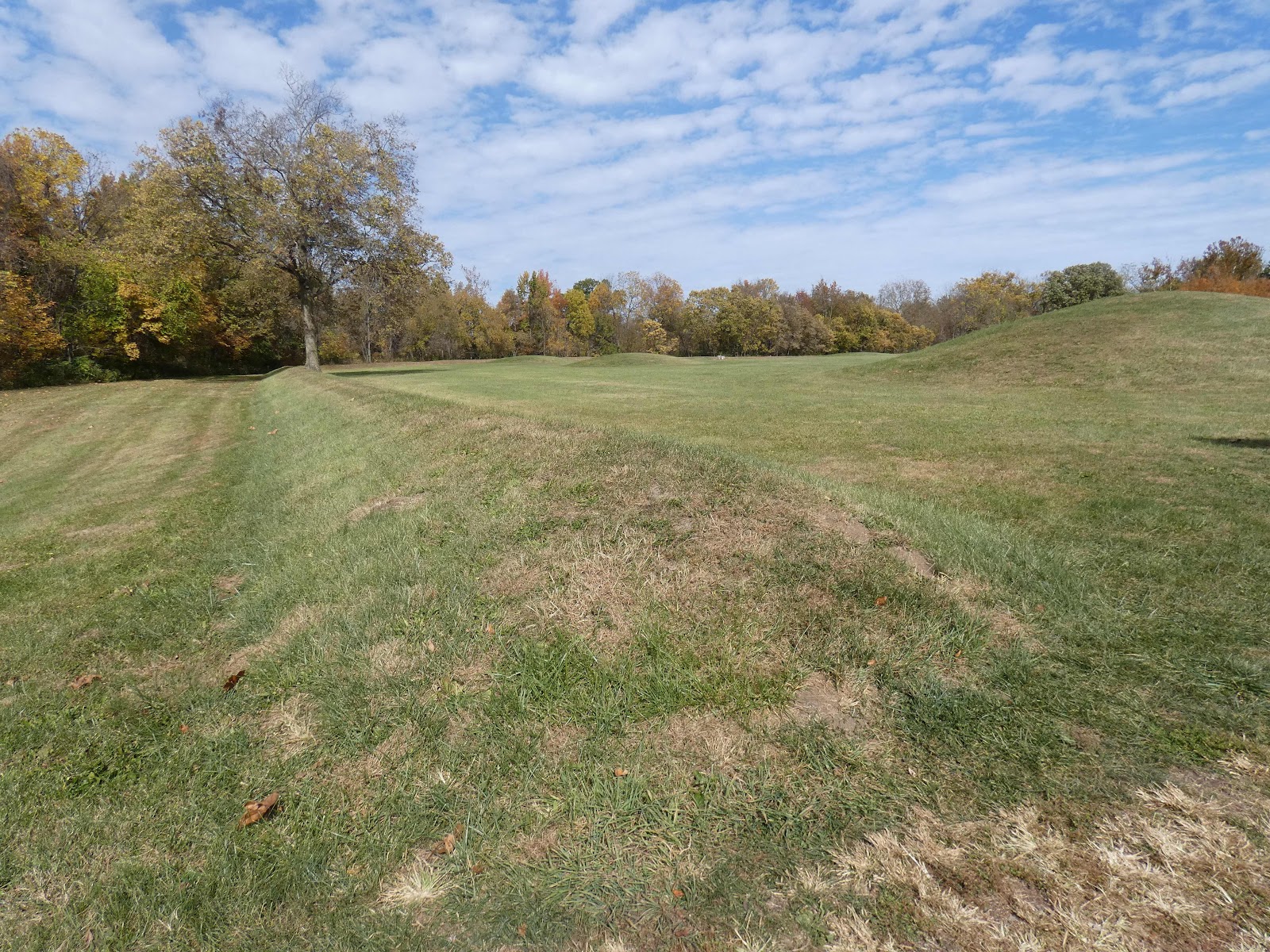
Unfortunately many mounds have been ploughed and destroyed in other ways. The field below is surrounded by mounds that have trees behind them. The gaps were aligned with various solar and lunar occurrences - including the most northerly full moon (this occurs every 18.6 years), and the gaps tend to be accurate to within an inch.
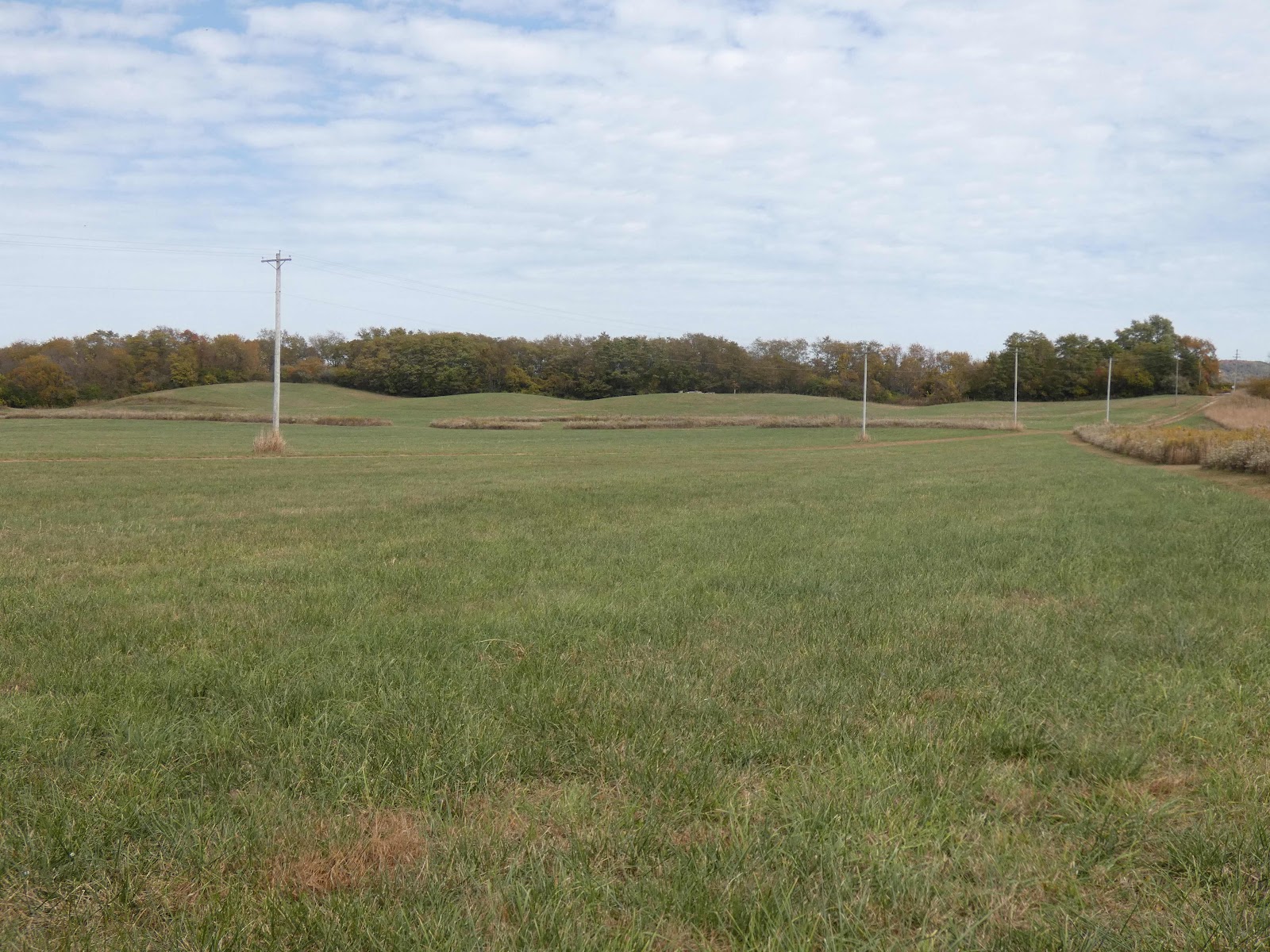

A picture of the third Hopewell site. Trees are growing on the mounds on two sides of a rectangle. This site is the biggest.



Wednesday, 19 October 2022

Third Day

The third one.


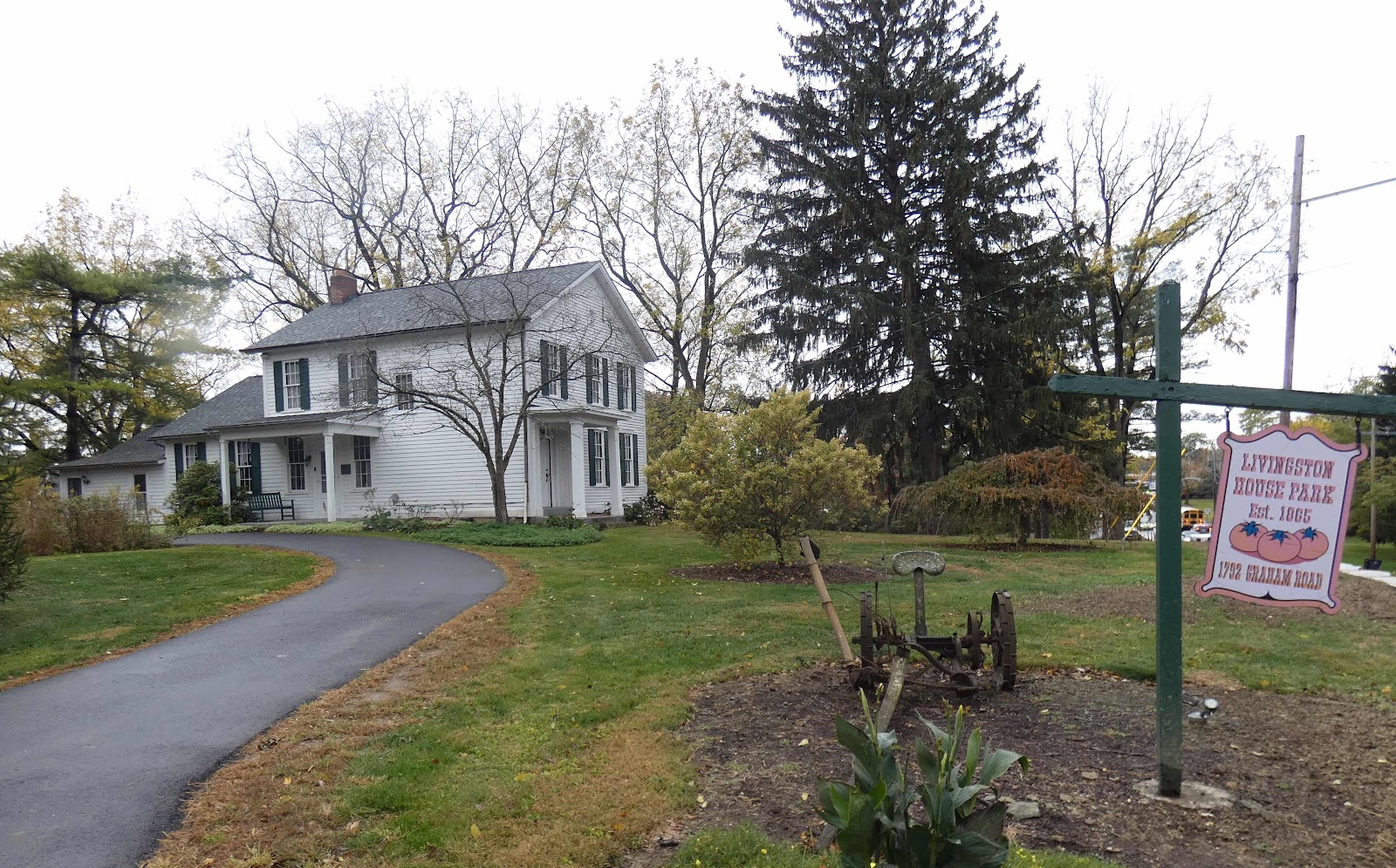
During the day, I visited Reynoldsburg, framed after John Reynolds. It bills itself as the home of the tomato. A. W. Livingston developed the first commercial tomato seeds here at Livingston House, where he ran his seed company. So the town is responsible for rotten tomatoes!