Sunday, 28 December 2025

Shimo-koshiki

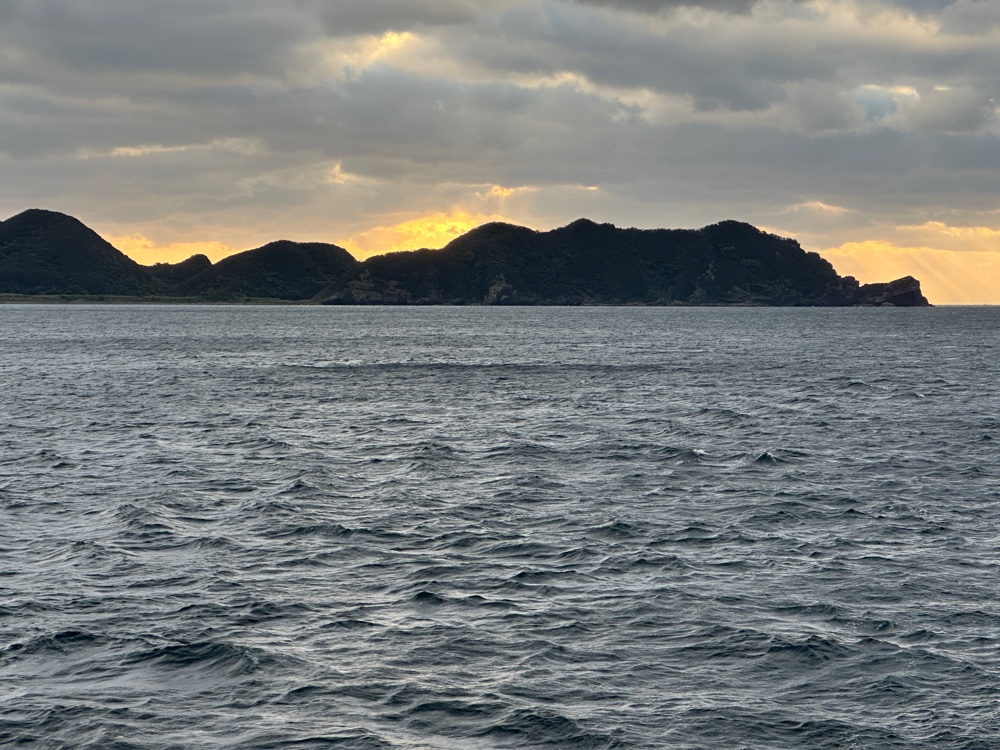
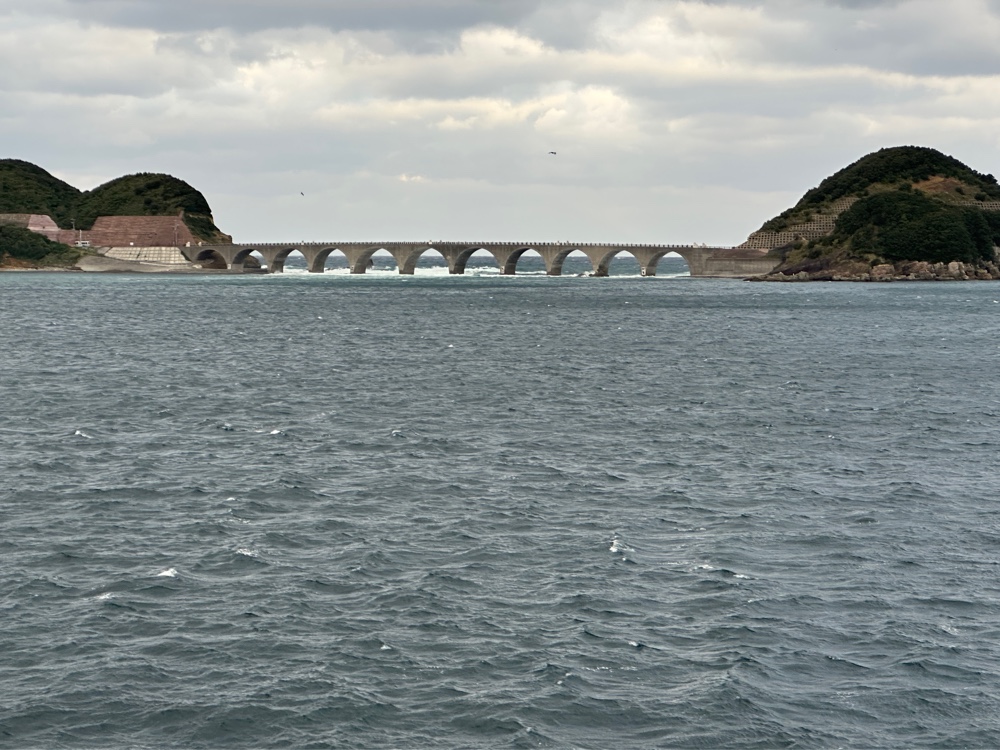
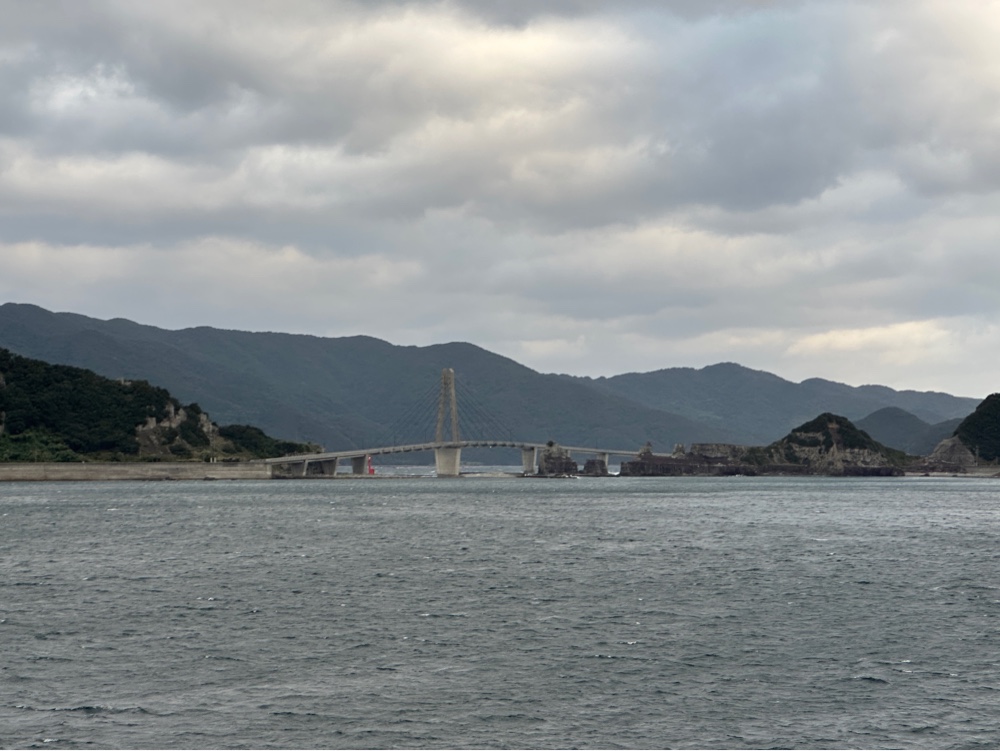
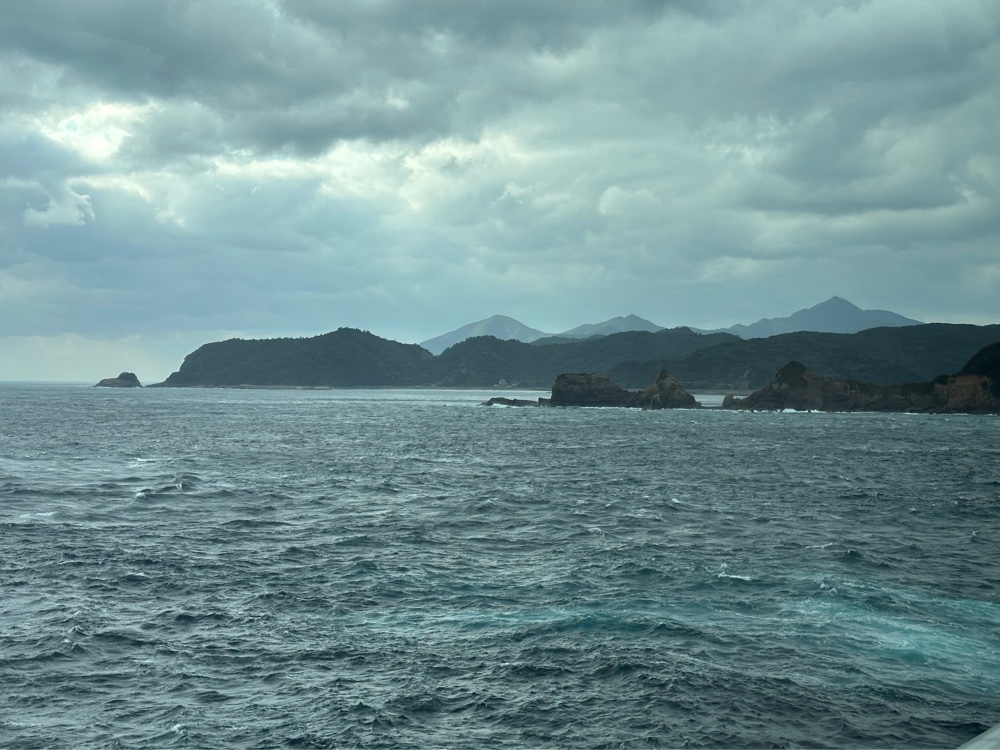
Today we visited the Koshikijima islands off the coast of Kagoshima. 


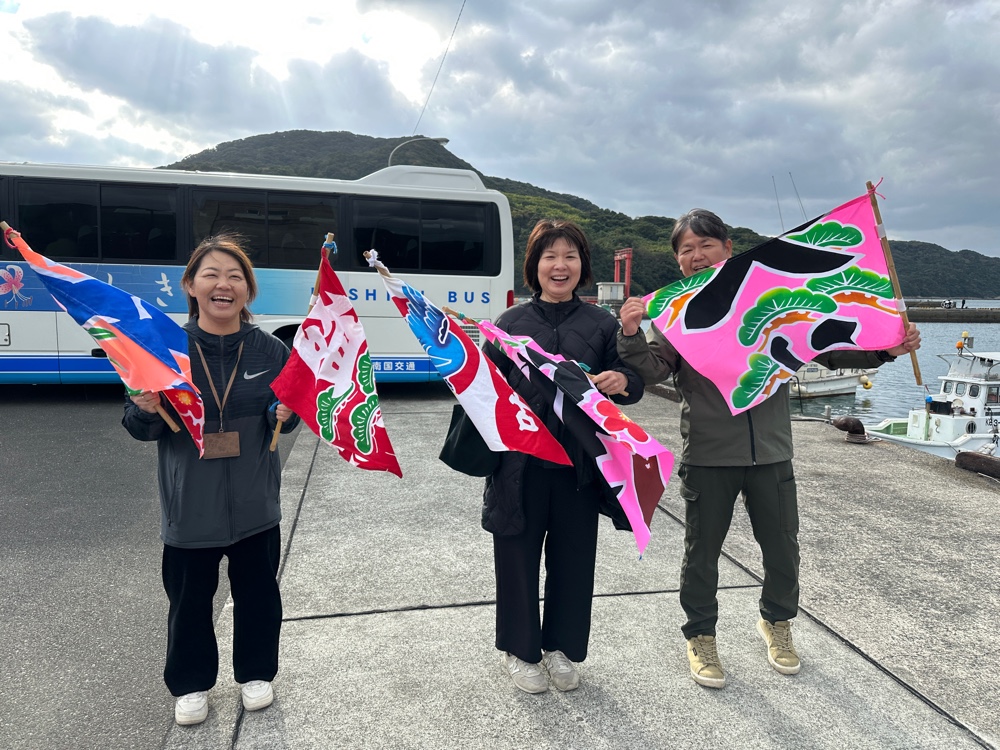
We took the tender to the harbour, where we were greeted by a welcoming group.


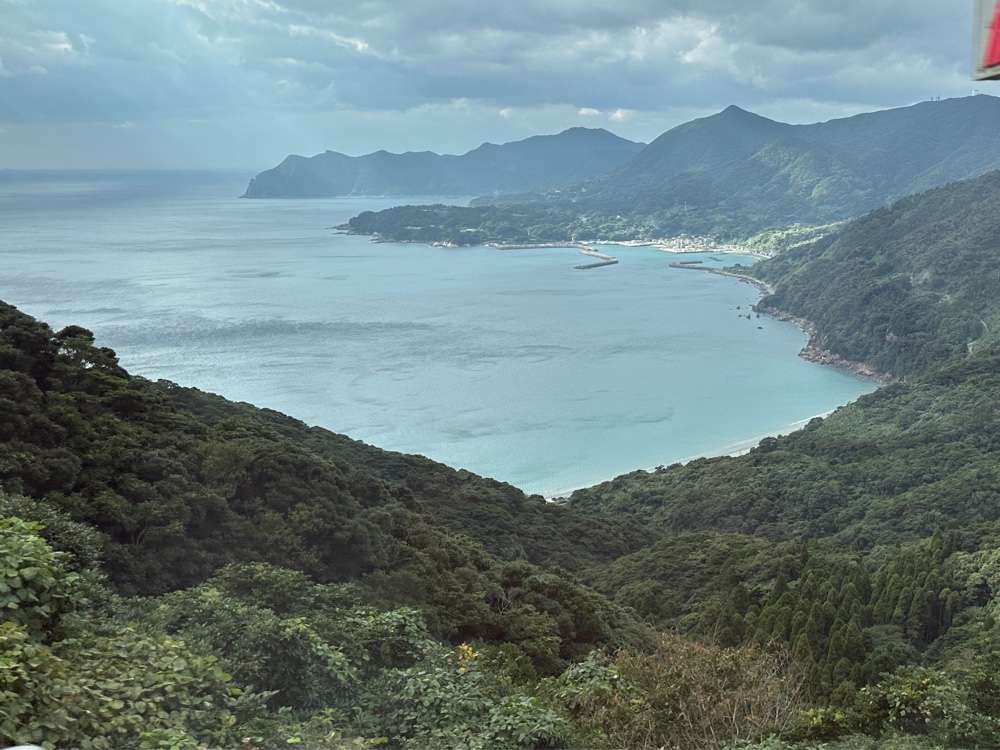
I chose to go for a walk. The bus took us a fair way up the main road up the island. 


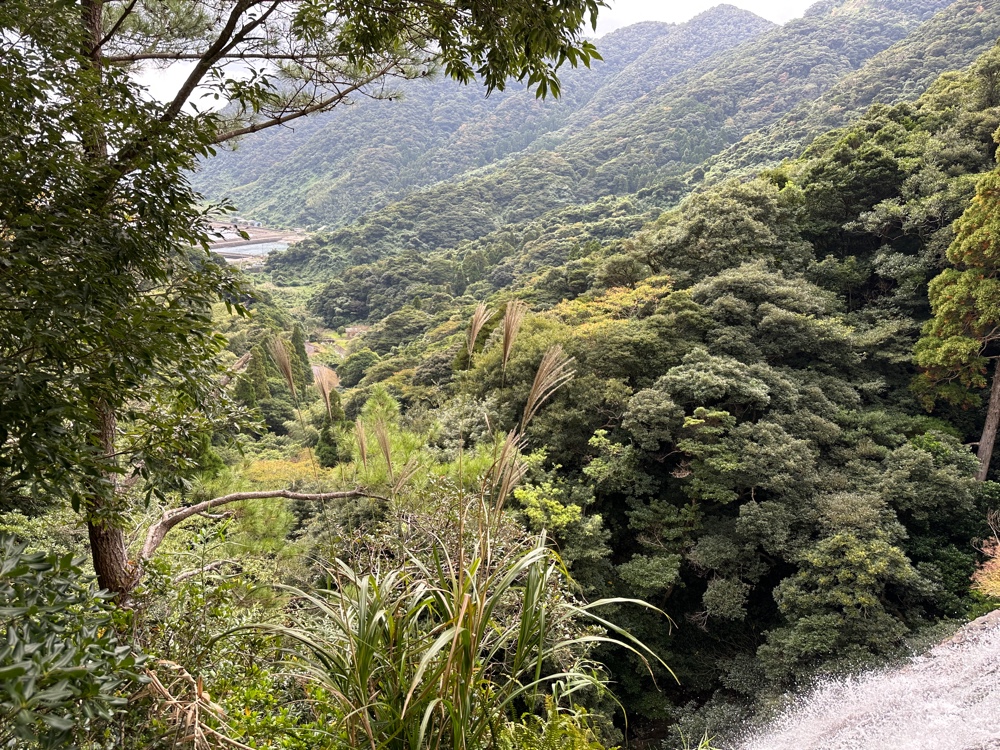
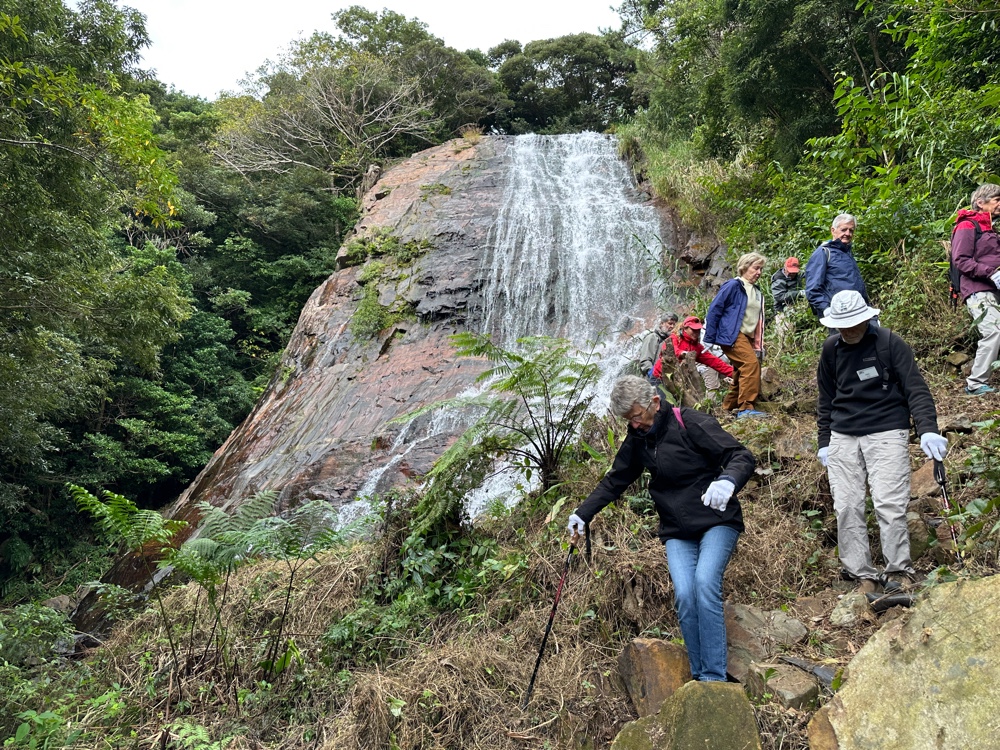
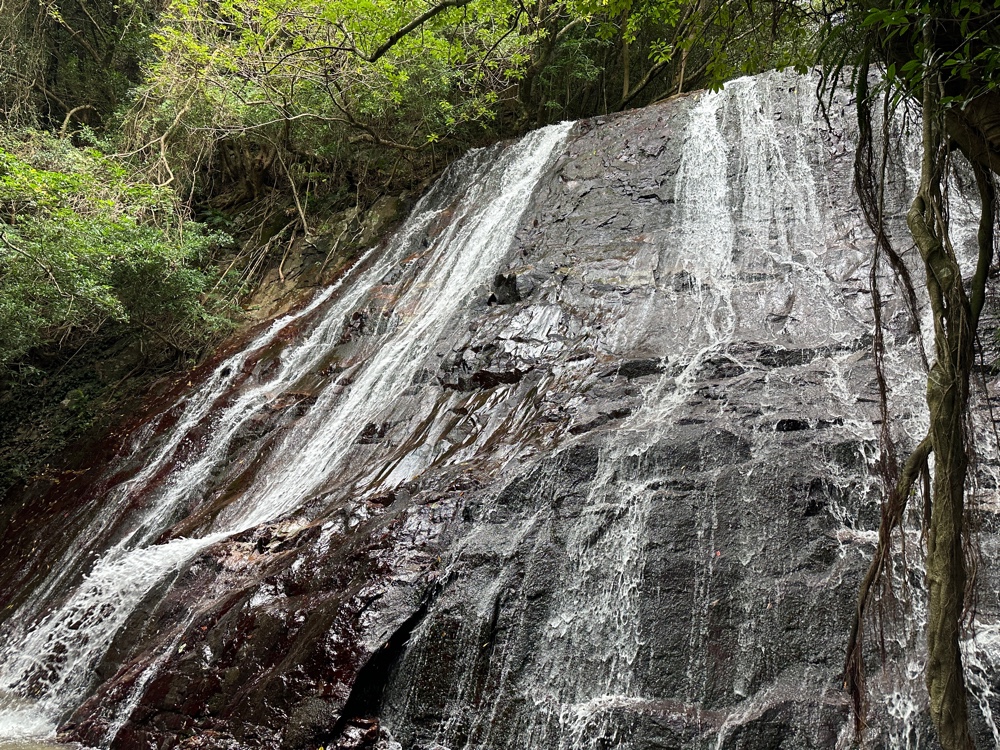
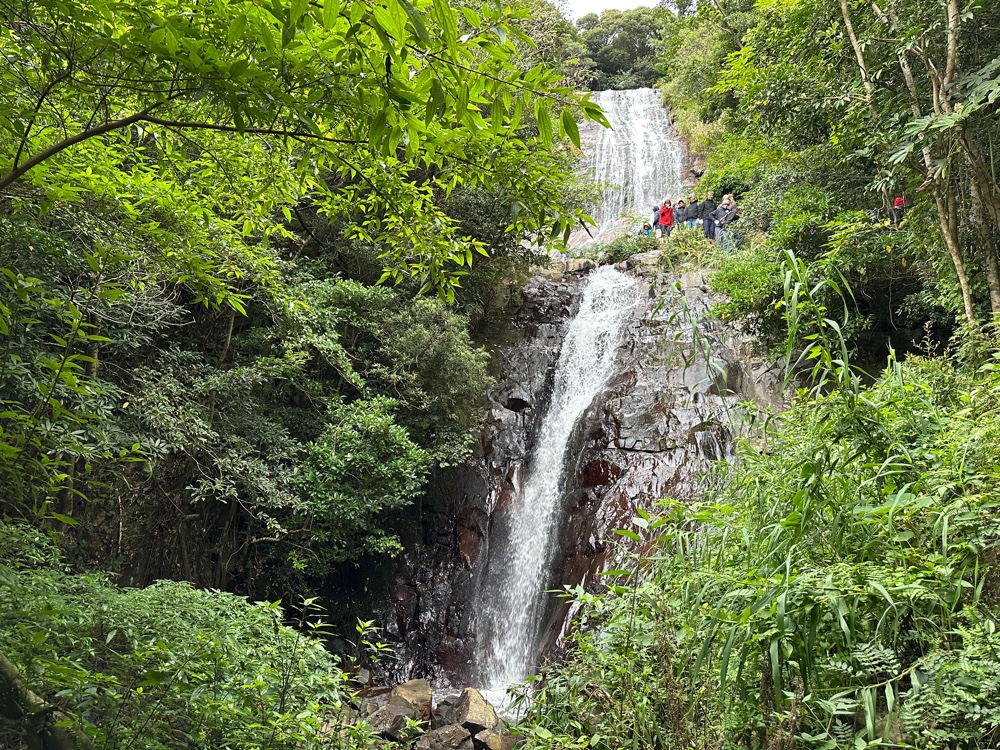
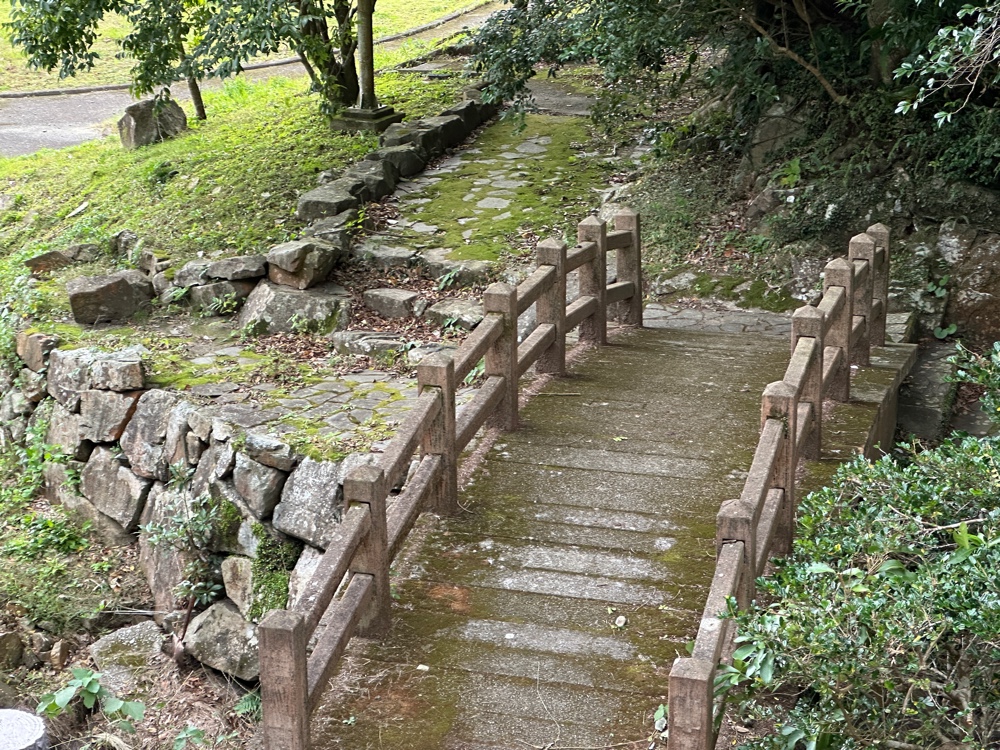
Then we walked further up, then slightly back down to an exceptionally steep trail going down to a three tiered waterfall called Sebi Kannon Mitaki. 


The trail between the tiers was as steep as the trail down to the waterfall itself, and some people needed a lot of assistance before they would go down some sections. 


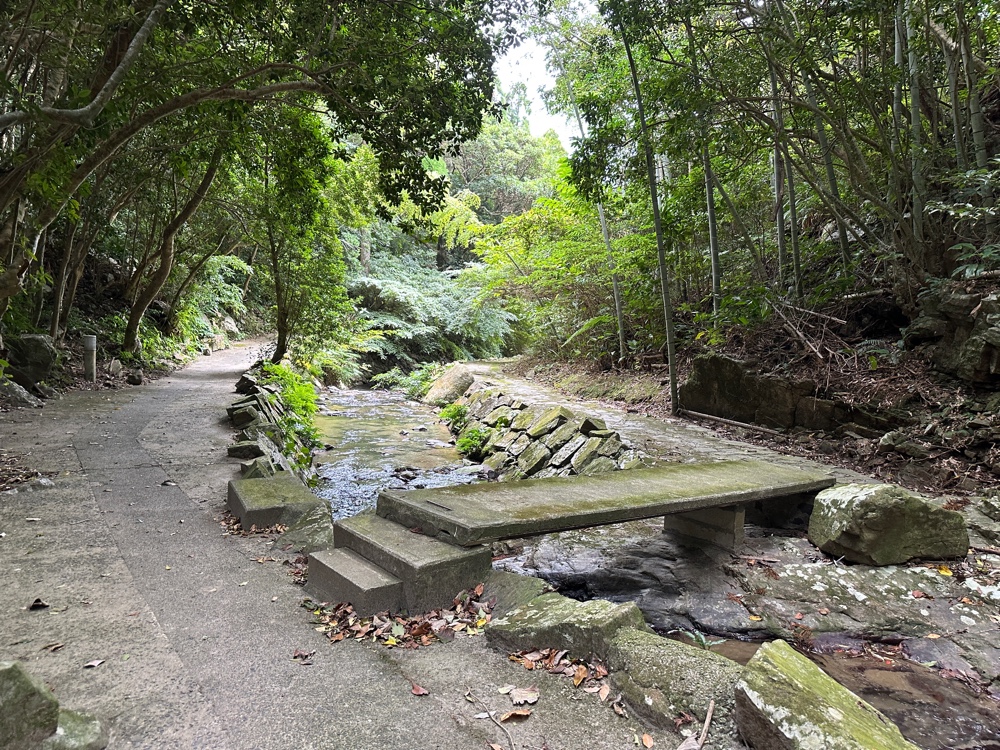
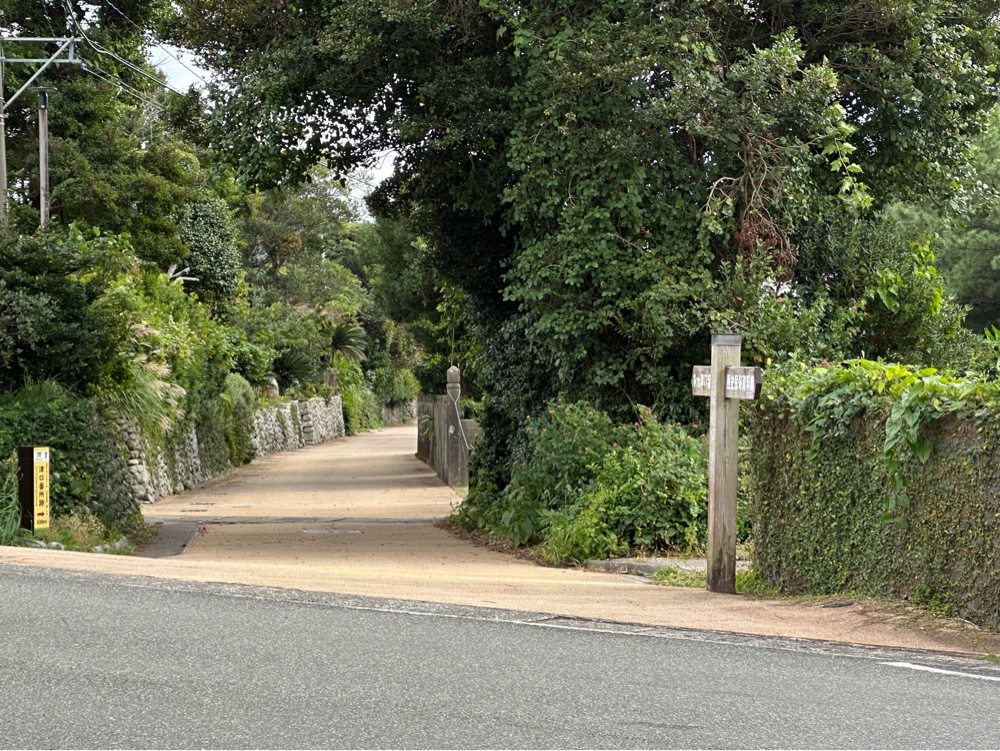
After the waterfall, we walked along a path to a deserted village where we were met by the bus. 


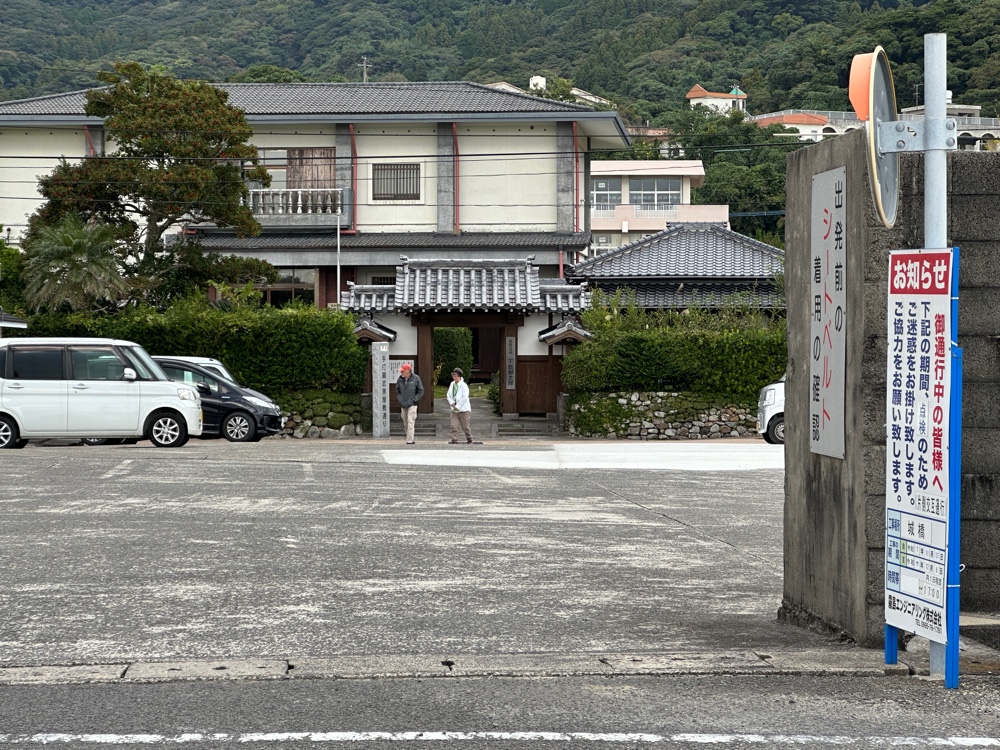
We then explored the local town where we had lunch, 


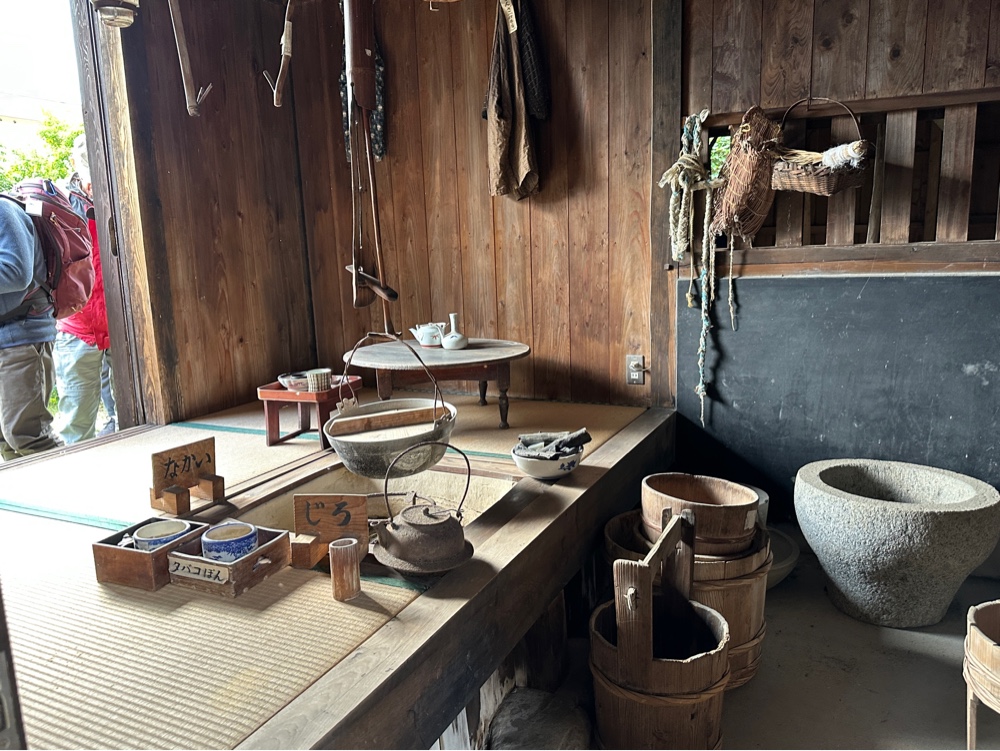
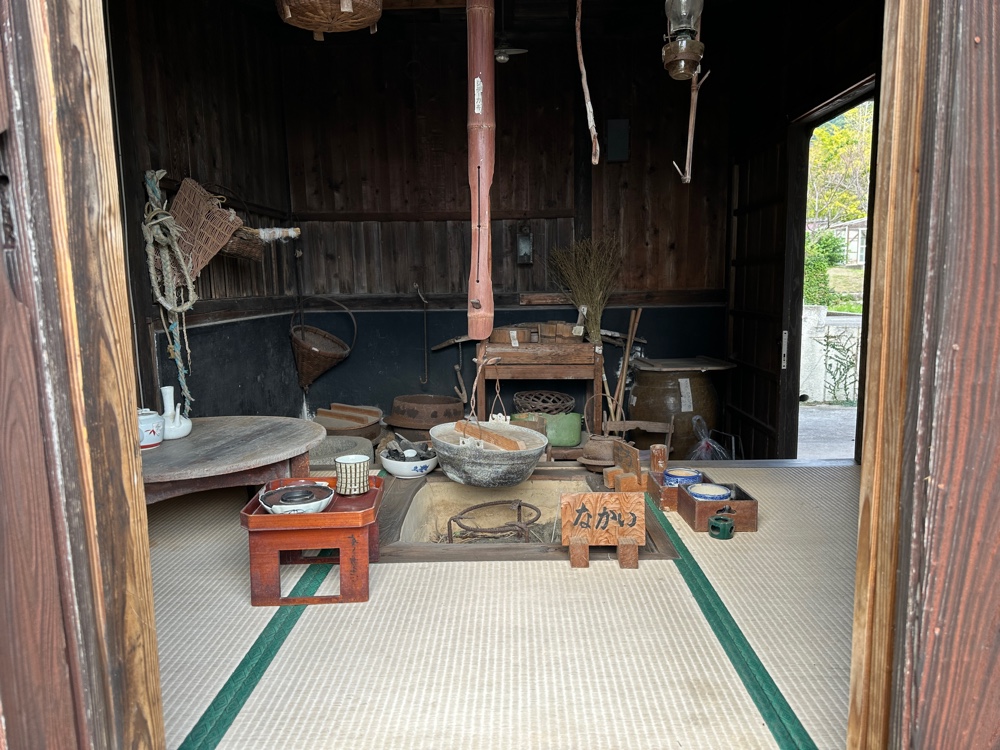
visited the museum 


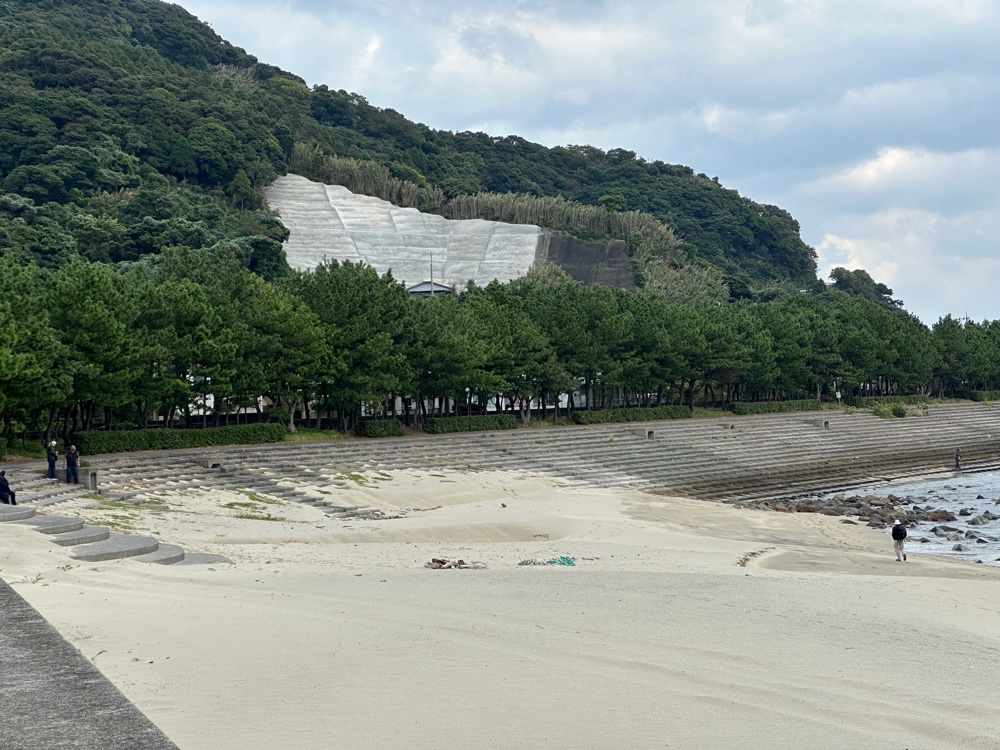
and enjoyed walking along the beach. 


The whole island has a small population which has declined rapidly in recent years. The road was obviously rarely used, and many of the houses were no longer lived in.


Thursday, 18 December 2025

Nagasaki

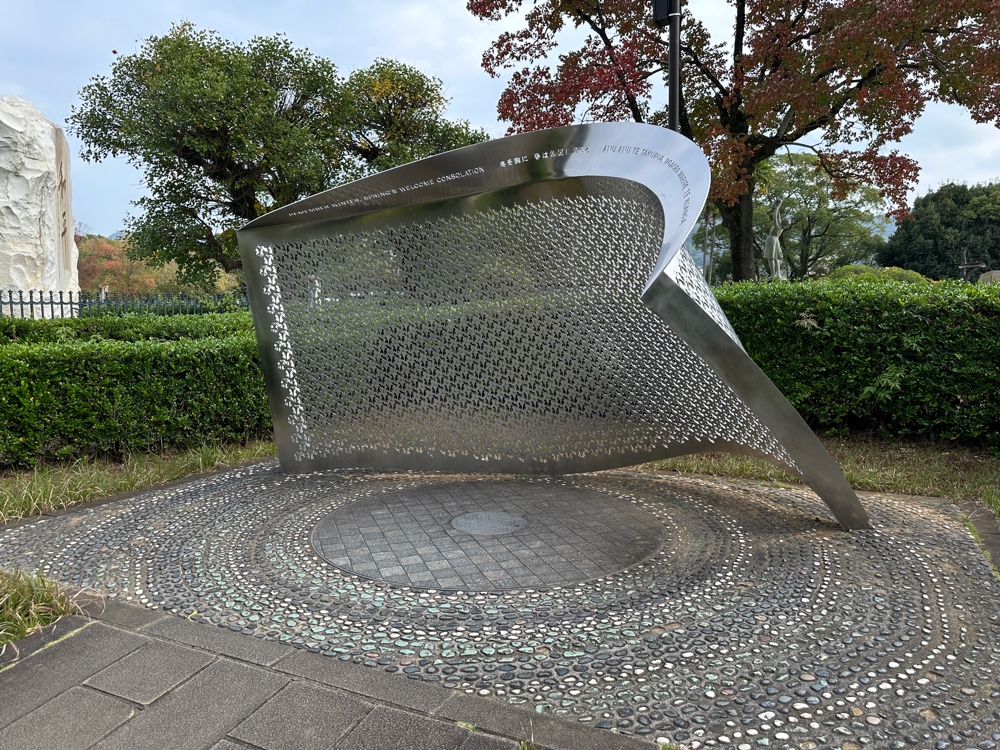
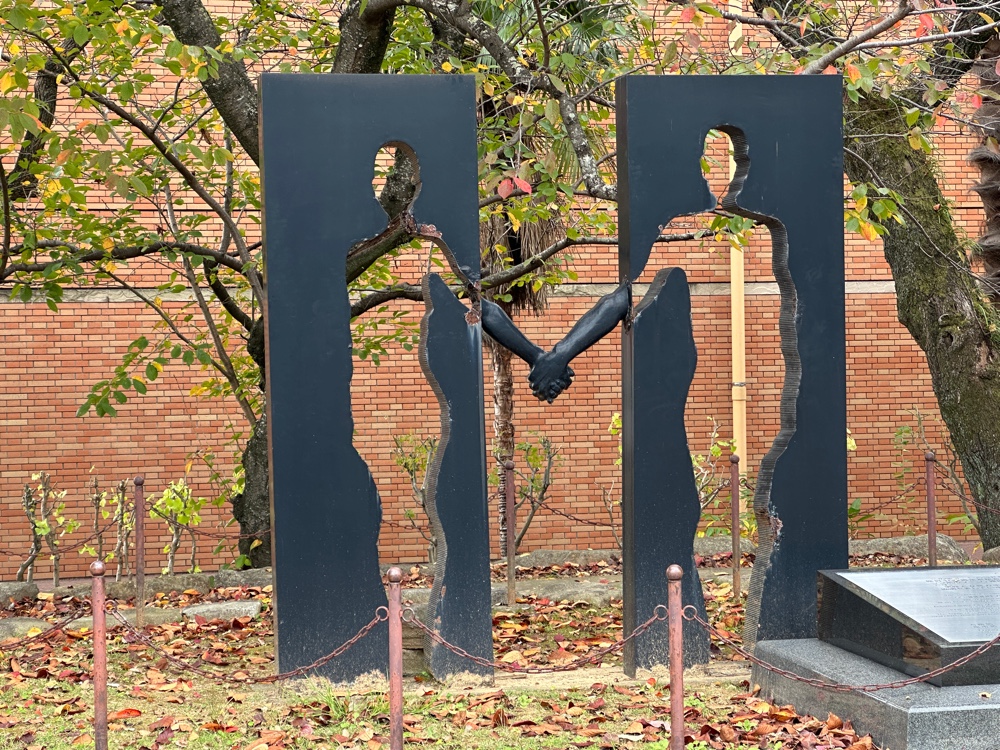
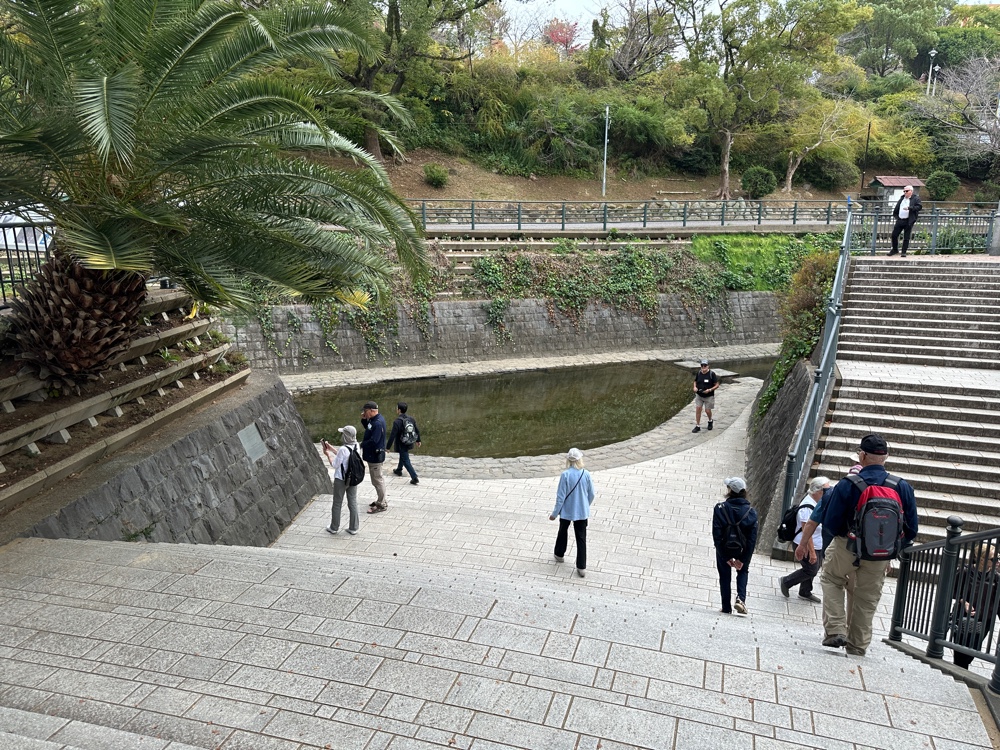
Today we docked at Nagasaki and visited the peace park. There were monuments to peace from a large number of countries including New Zealand. 


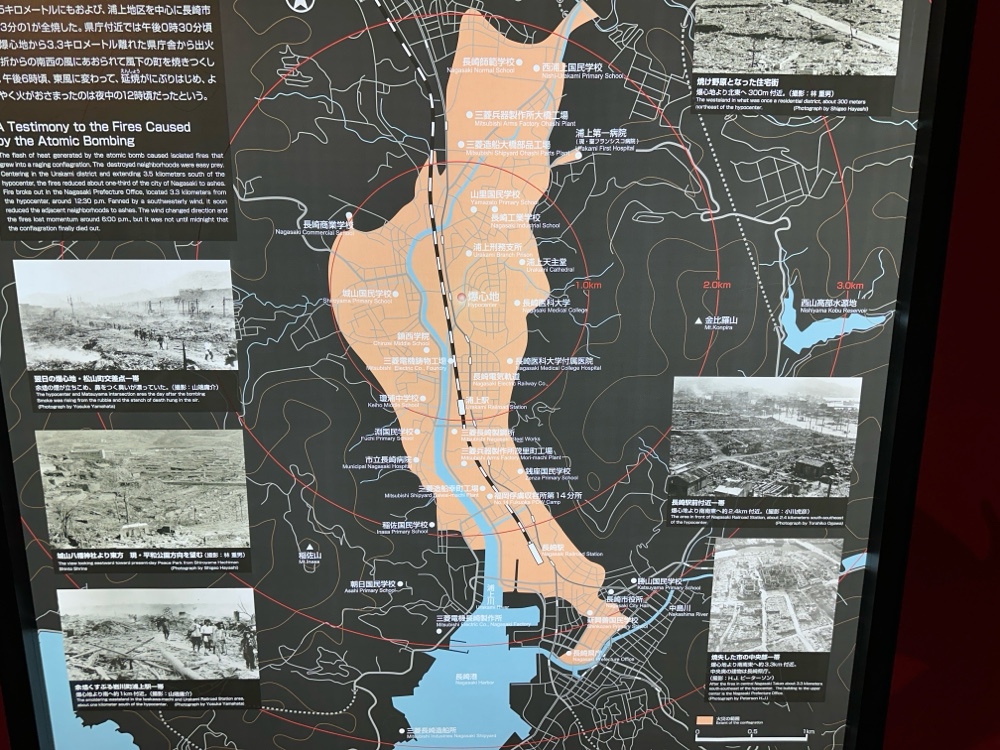
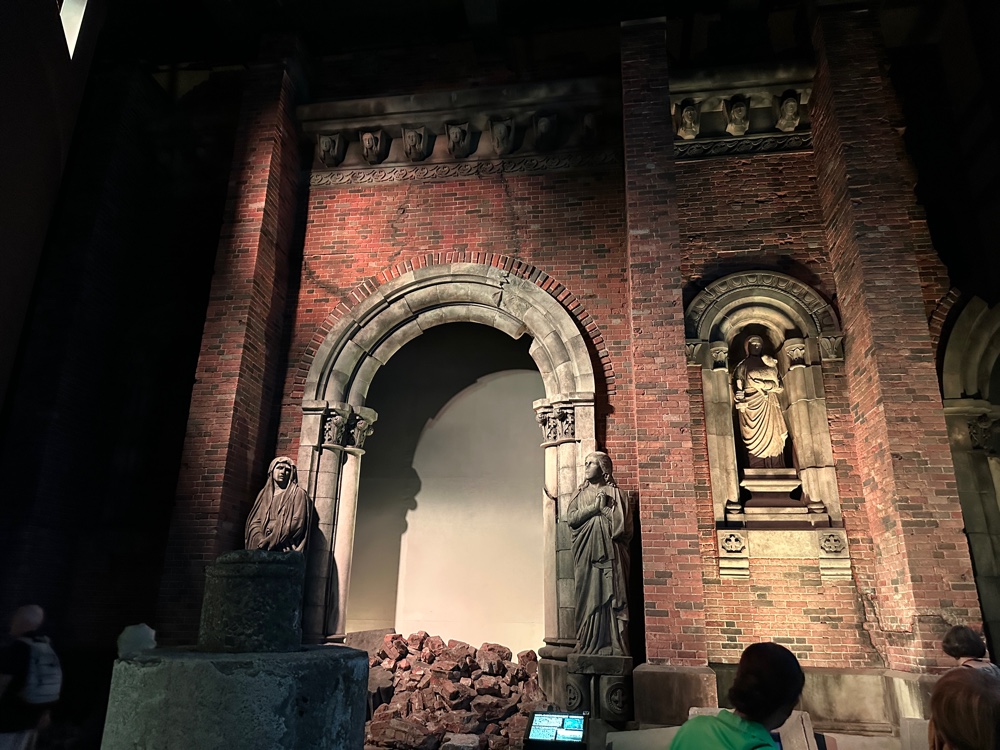
Like at Hiroshima, we weren’t allowed to photograph inside the memorial, but I thought it was better at telling the story. Nagasaki was originally the place where European merchants were allowed to trade with Japan. As a result, a higher percentage of the population is Christian. Again, this was a place where there was a lot of heavy industry, including ship building. The area is shaped as a long valley, with the port at the end. 


The bombers couldn’t strike the first or second targets that they’d been given, and dropped the automatic bomb further up the valley than had been intended. This meant the ship works weren’t as damaged as they intended, and that the bomb was dropped directly over the Christian cathedral.


A POW camp was quite close by as was a place where Korean forced labourers were kept, so there were quite a number of non-Japanese casualties. The memorial talked about this, and had videos of stories from Korean and Australian survivors, as well as Japanese people - men, women and children. The Koreans in particular had a bad time after the bombing because they couldn’t speak Japanese and tell people what they needed, and some were just left to die after they’d been rescued. 

We went to ground zero, where we saw the level of the earth where the bomb exploded.

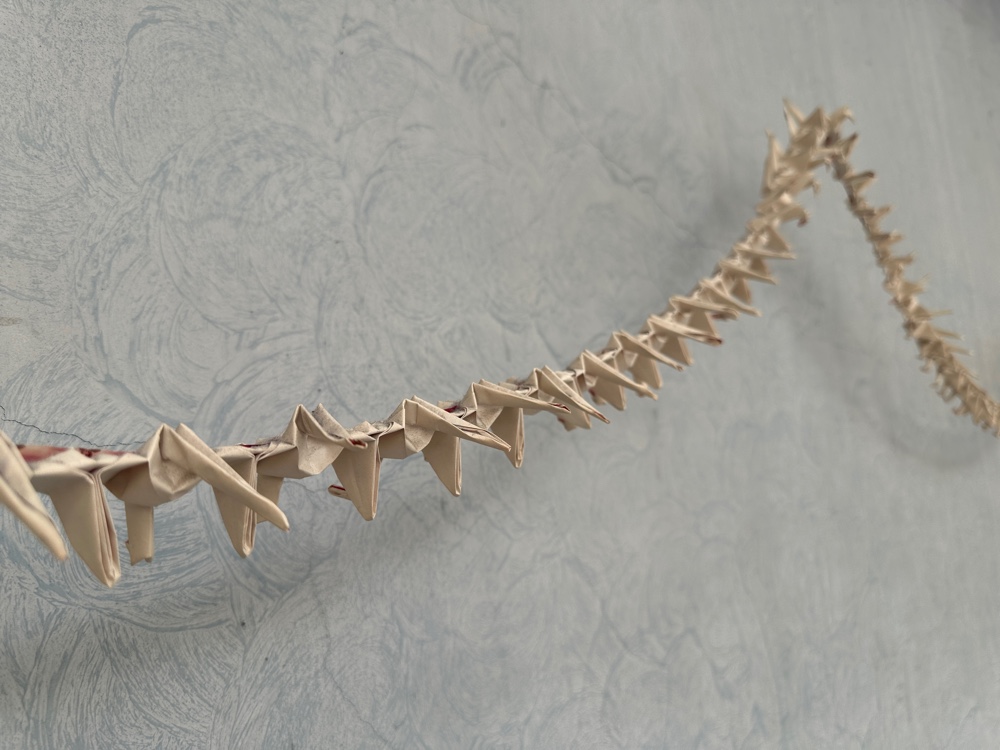
Like at Hiroshima, people had made many origami cranes, and they had strung some of them along the wall of the memorial.


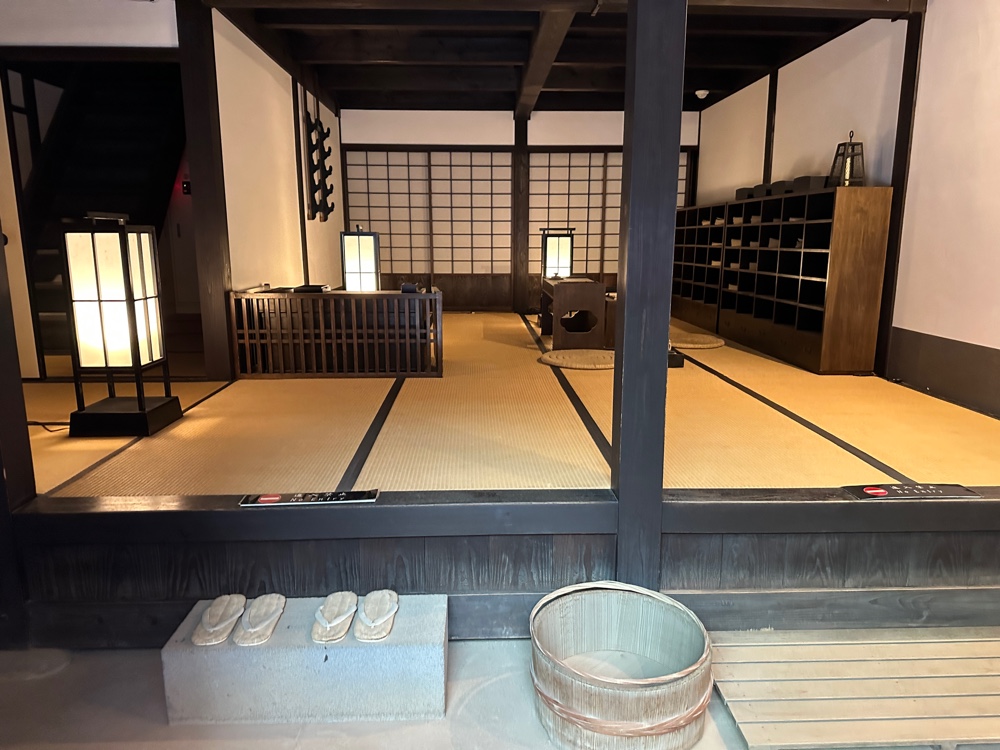
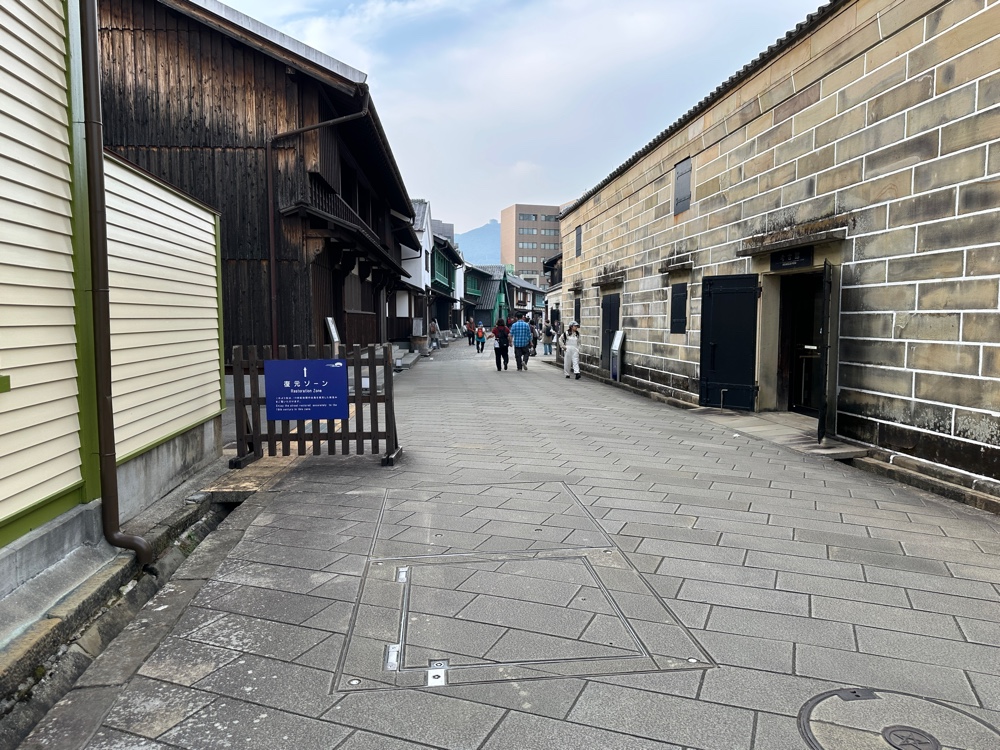
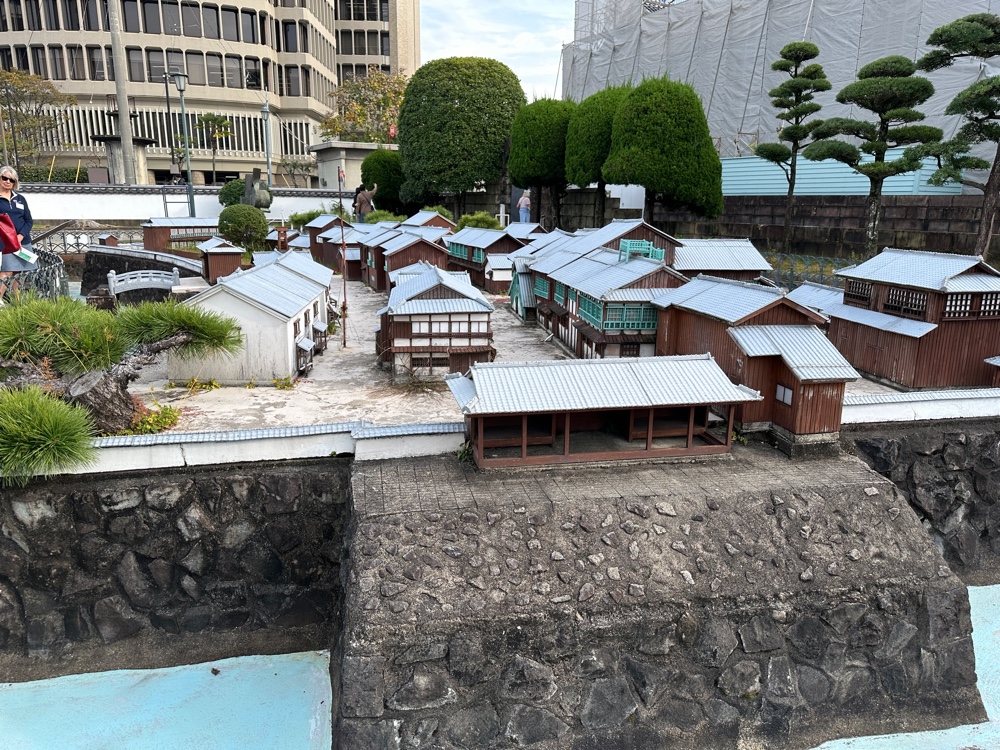
Afterwards, we went to the recreation of the Dutch merchant village that’s on the actual site of the original one. They’ve done a lot of archeological research to reconstruct it as it was, and are gradually building it. The Dutch asked Japan to do this with the money for reparation for the war. 


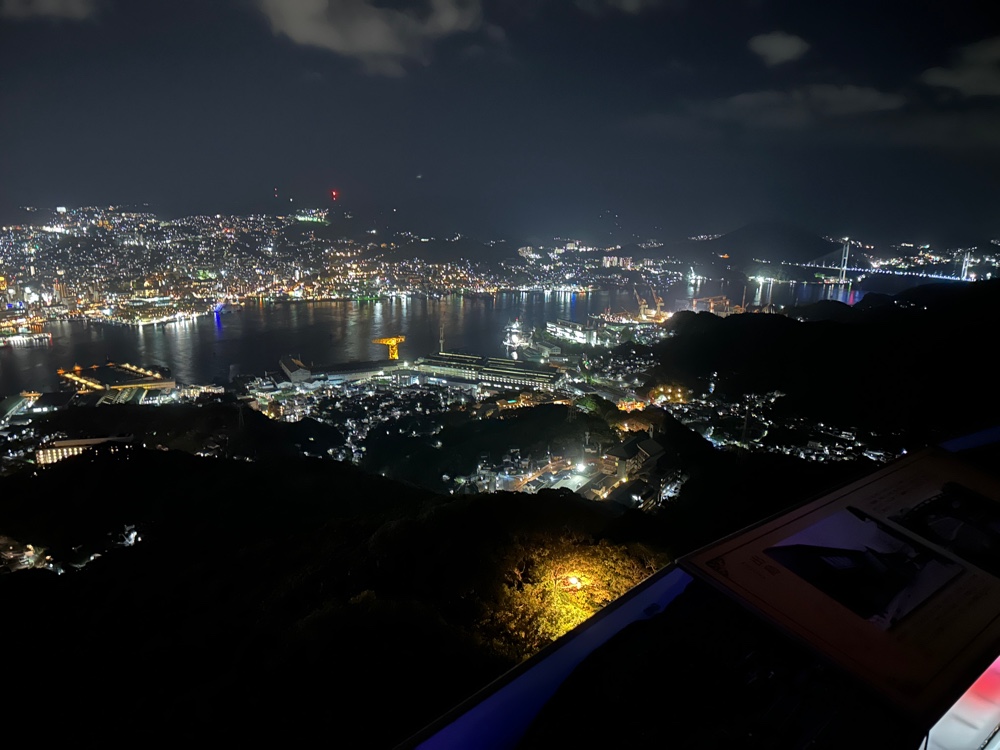
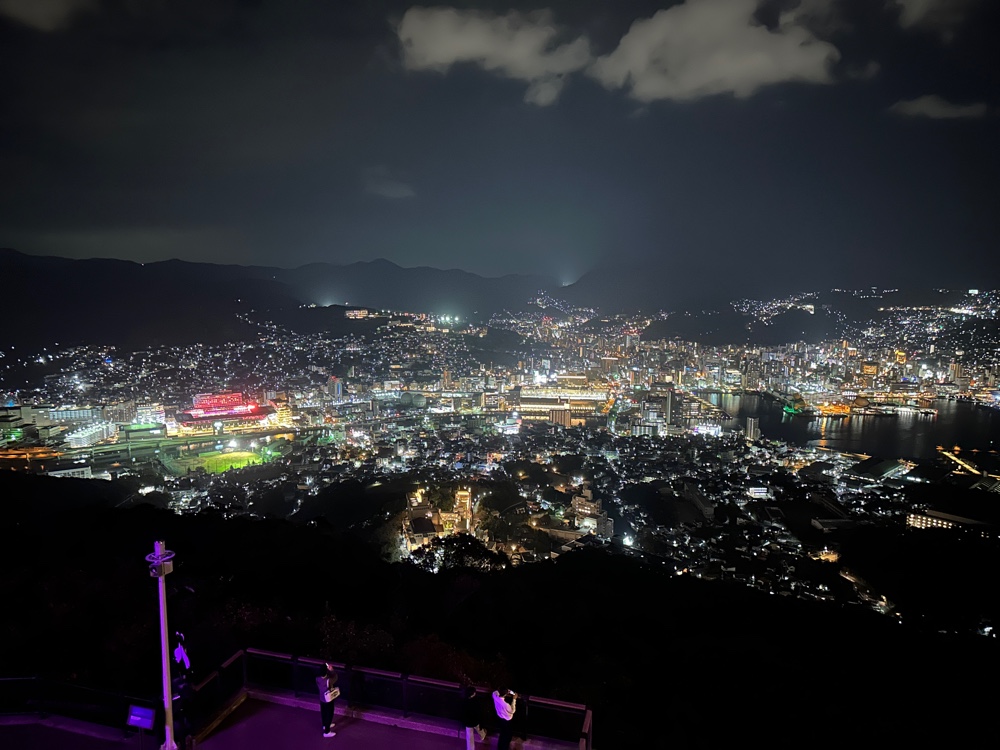
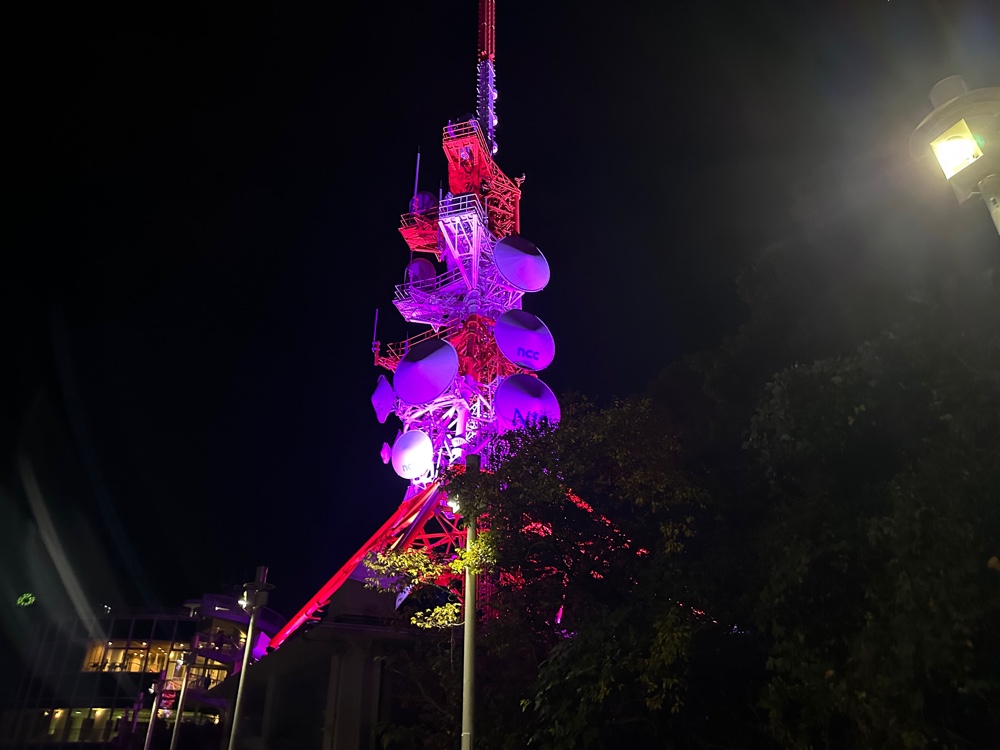
After dinner we visited the lookout and saw the lights of Nagasaki below.


Thursday, 11 December 2025

Shukkeien Garden Hiroshima

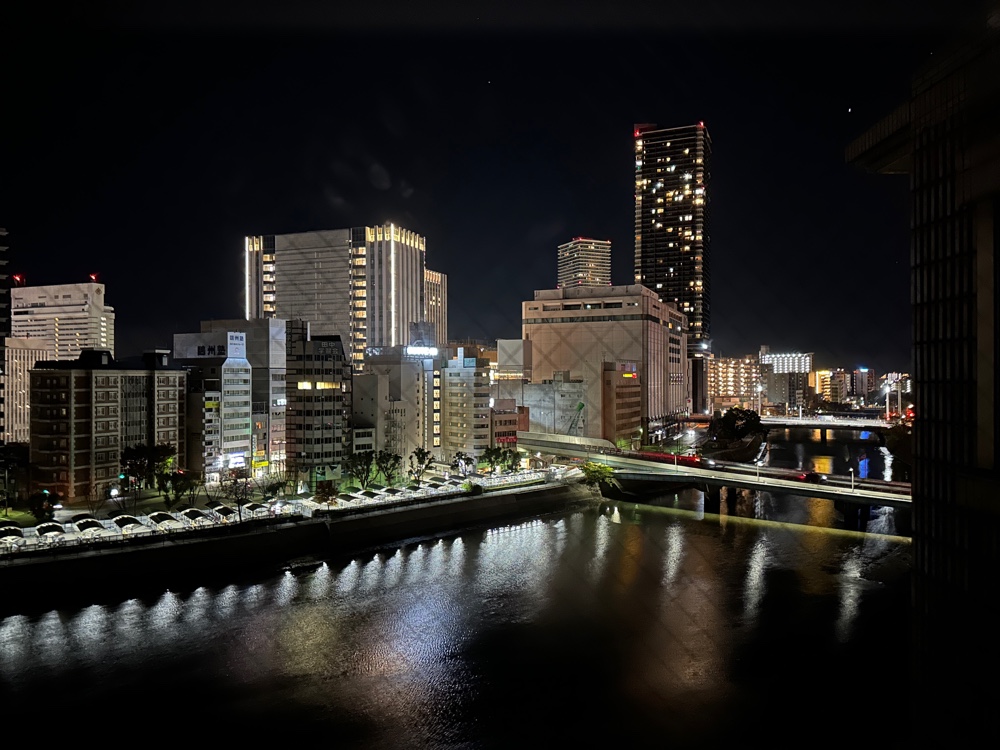
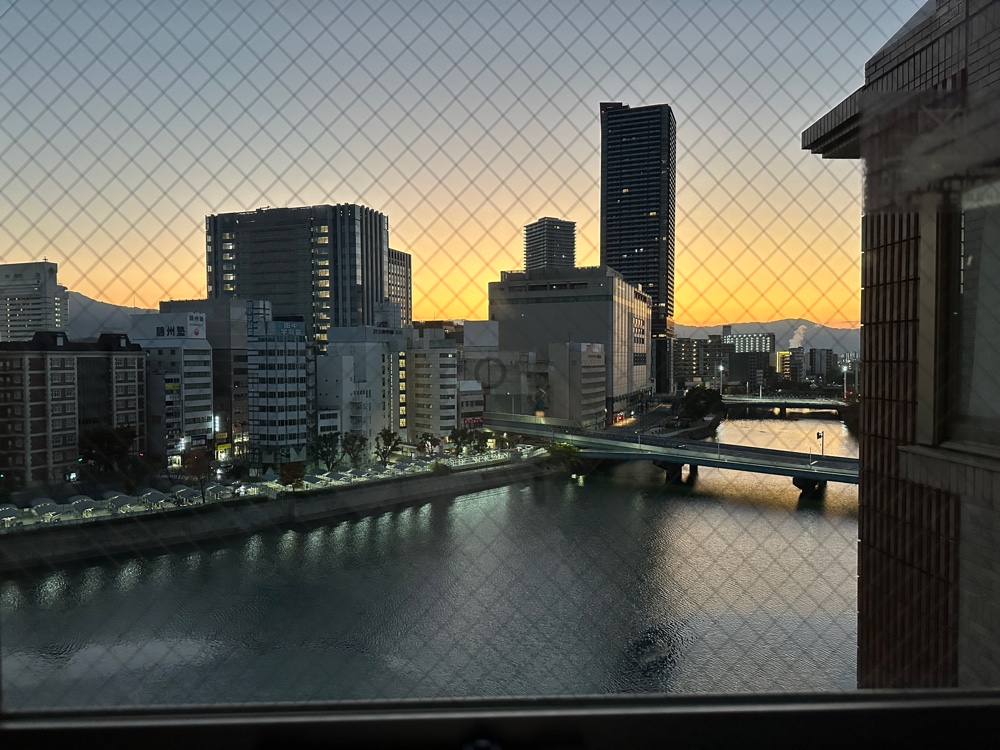
Not far from our hotel is the Shukkeien garden and this morning I decided to visit it before we needed to take our last Shinkansen and finish this part of the trip. But before I went out, I took a couple of pictures from my room.


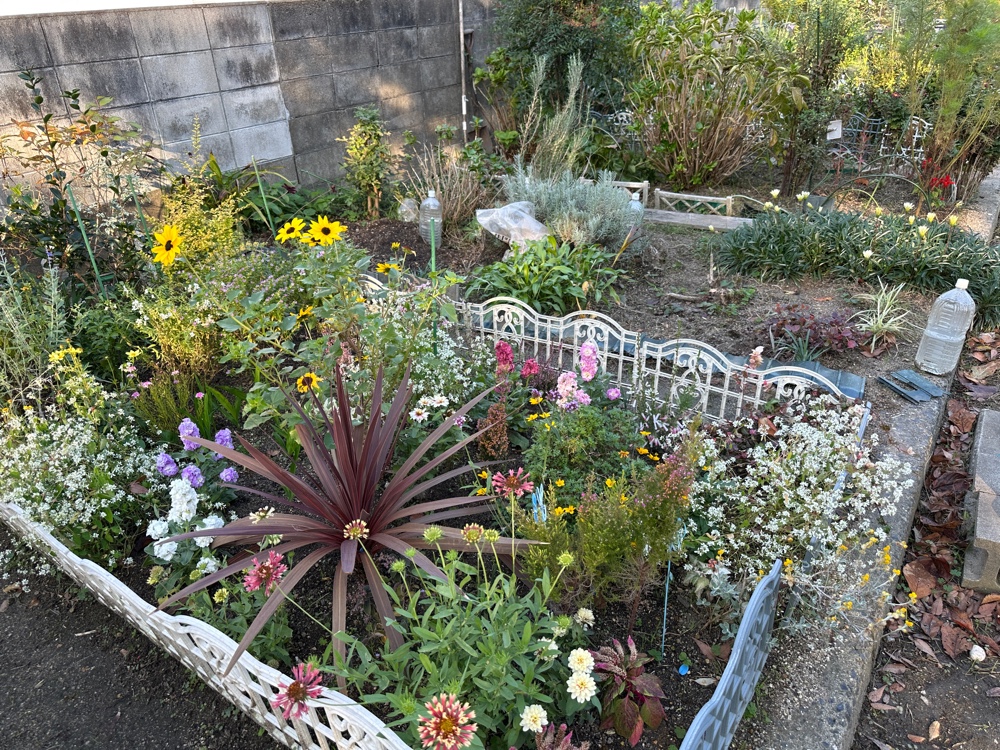
Before I reached the gardens, I passed a herb garden.


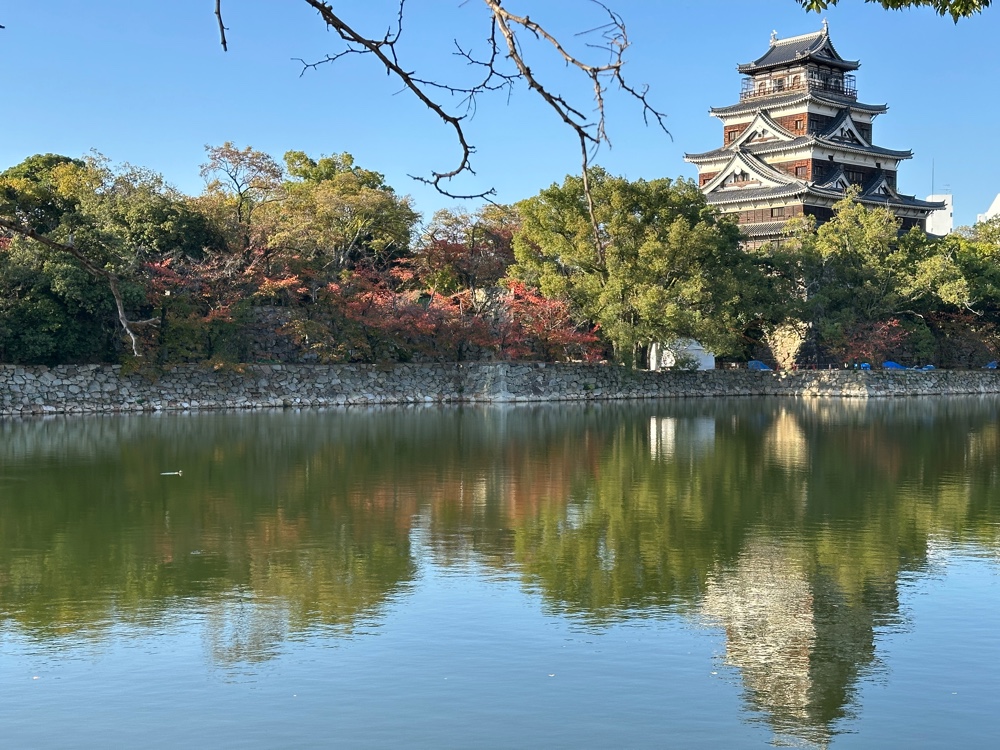
I was at the Shukkeien garden before it opened and the guard shooed me away, so I gradually worked my way toward Hiroshima castle. This castle was completely destroyed by the bombing as it was within the area that was basically levelled. Because Hiroshima was a centre for heavy industry during the war, there had been a lot of bombing, and one reason so many school children died from the atomic bomb was that they were making firebreaks by pulling down houses (lthough the memorial concentrated on them, one in ten of the victims was Korean, as there were many forced labourers from Korea). Shortly after the war, the castle was rebuilt quickly, without much thought of authenticity, so it’s a castle that isn’t much visited. But I’d think that the rock base and the moat would be authentic, since castles are usually built on top of the base, rather than being structurally contiguous.


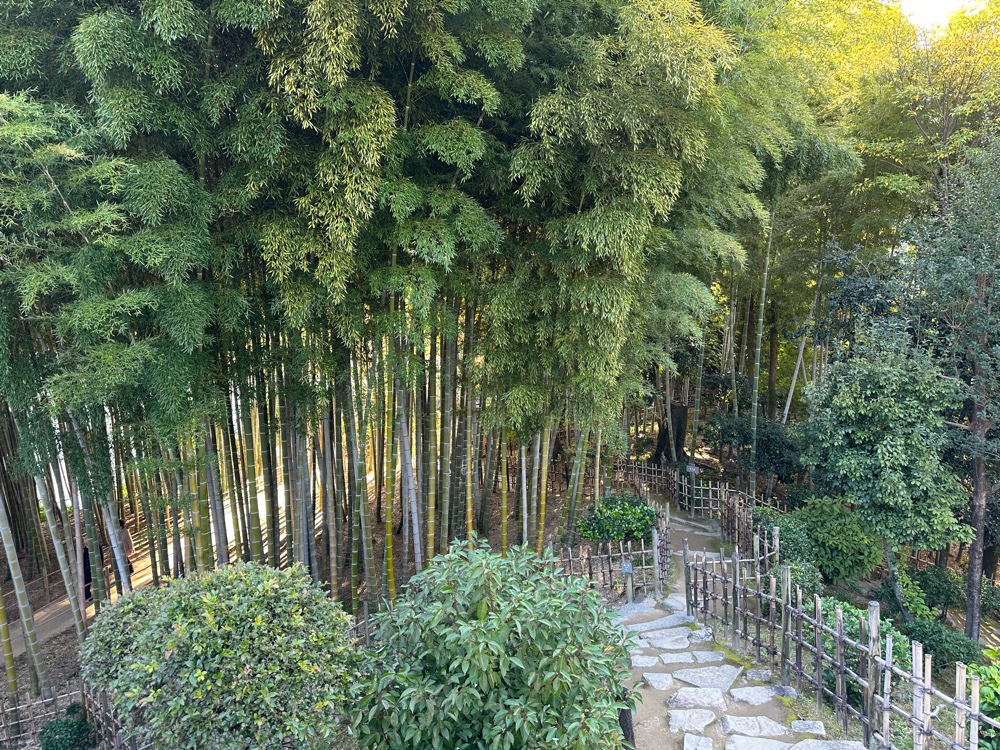
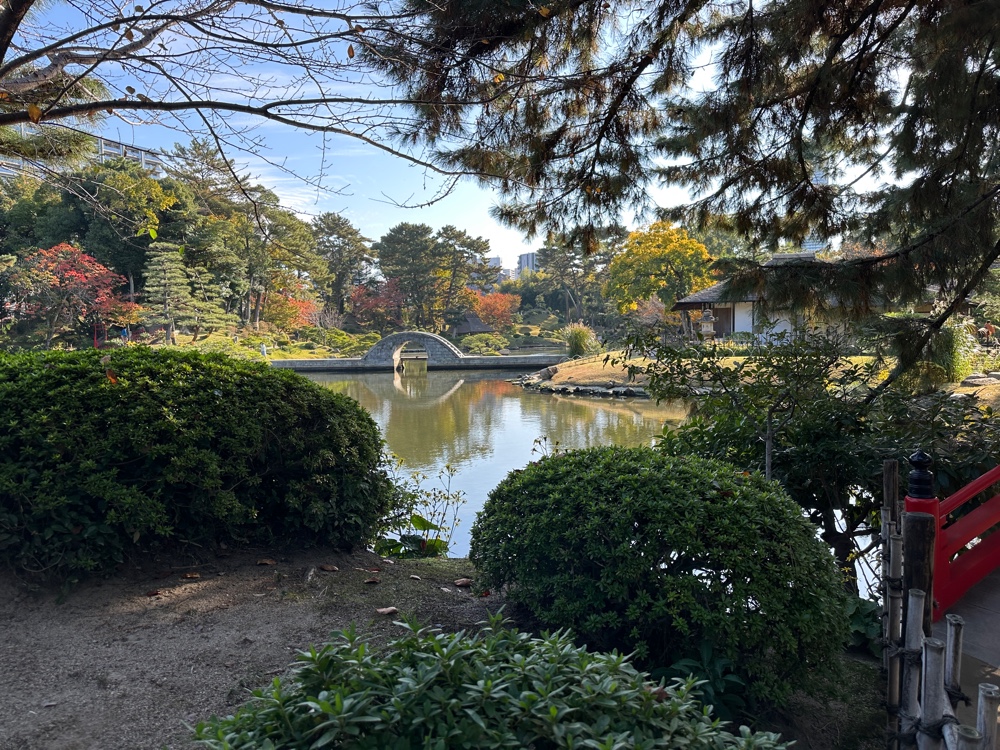
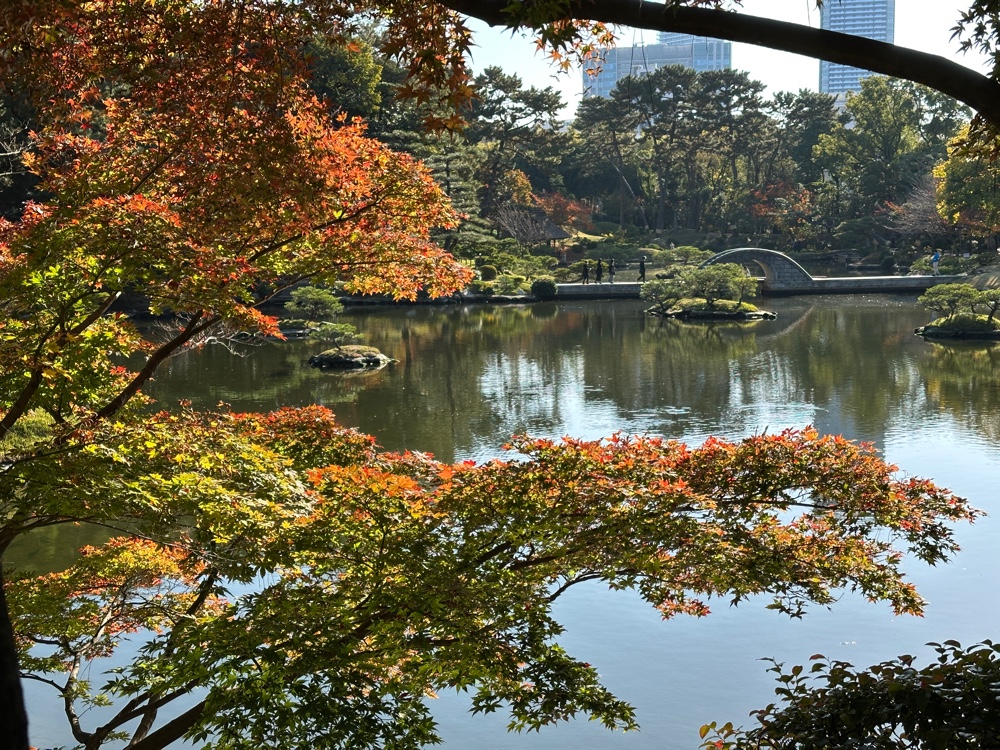
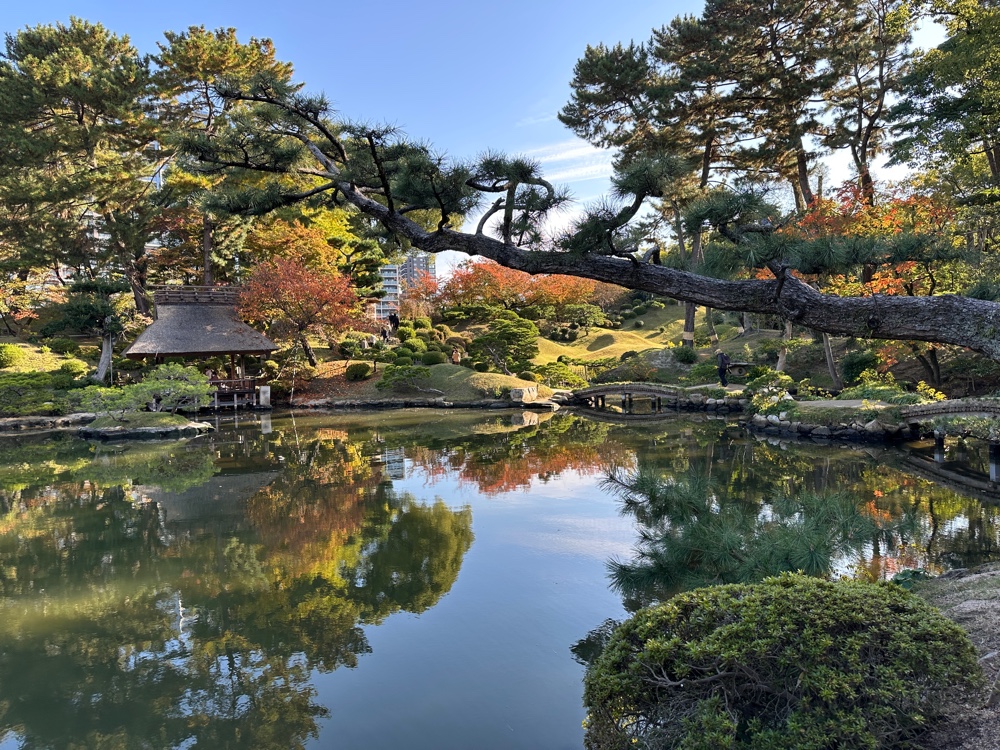
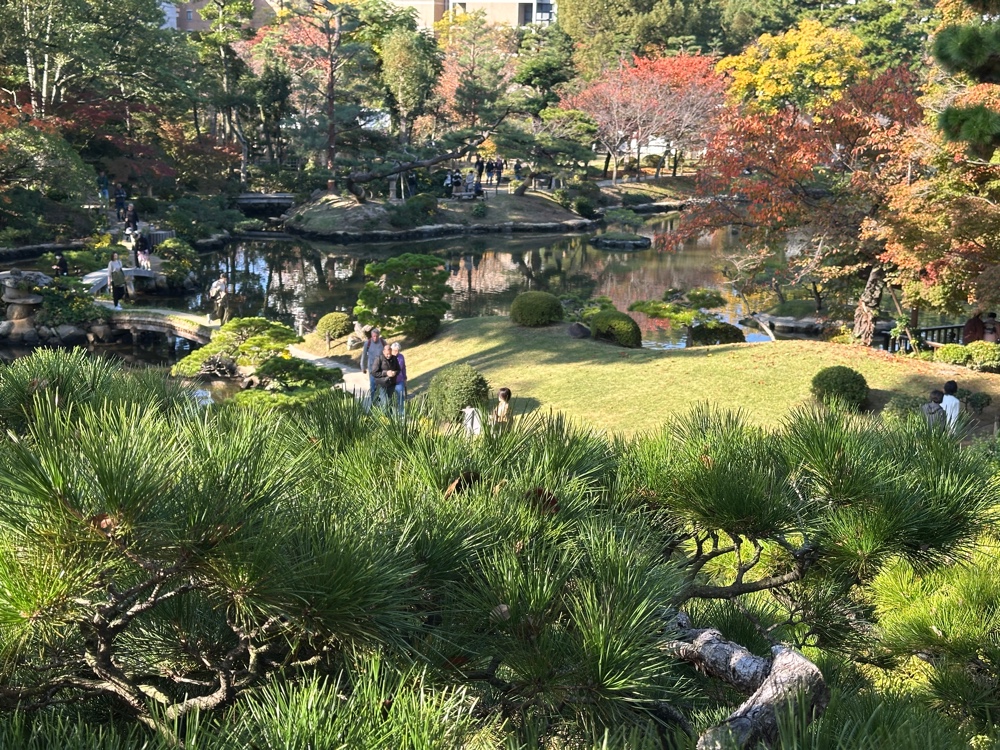
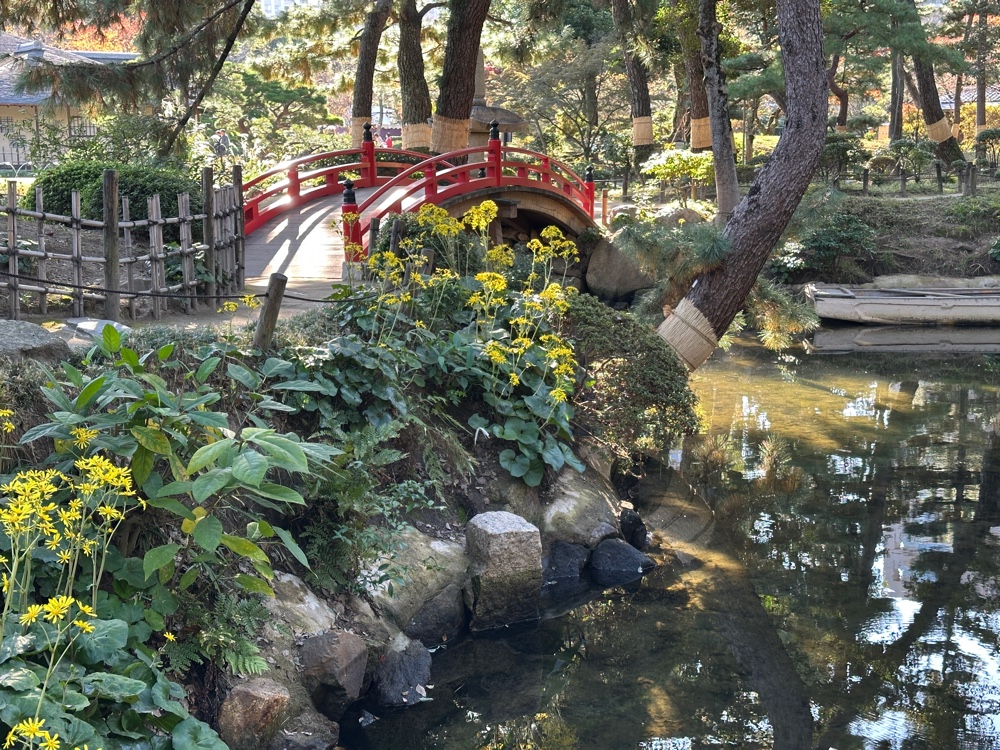
After looking at the outside of the castle, I went back to the garden, which is a large strolling garden.


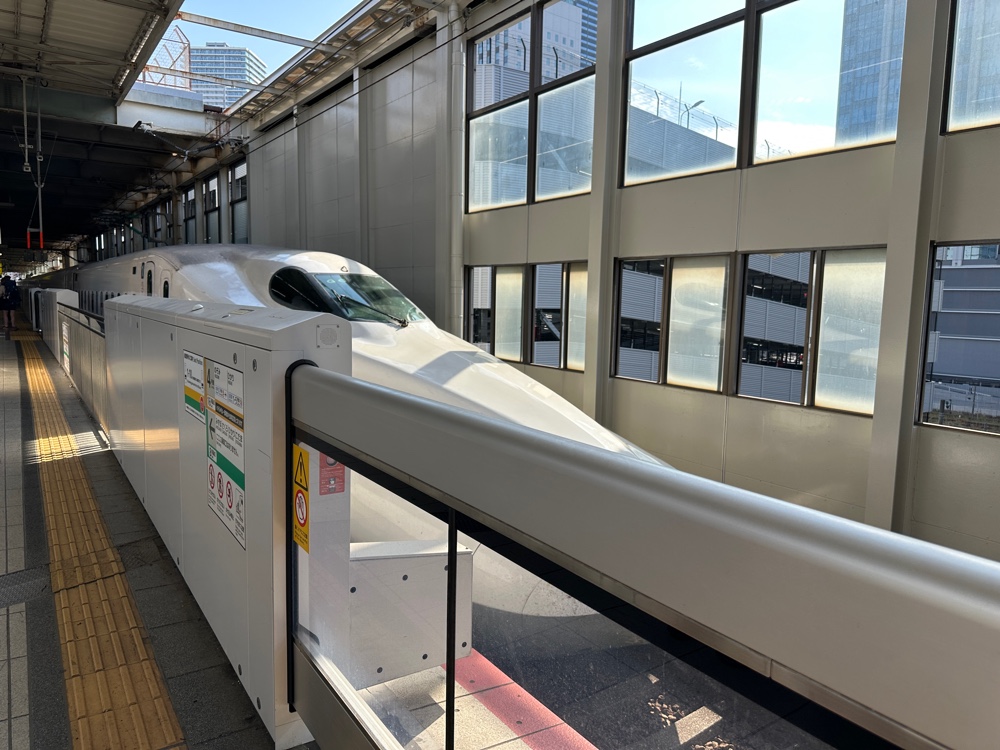
Then I went back to the hotel, checked out, caught the Shinkansen to Fugimoto and joined my cruise.


Wednesday, 10 December 2025

Miyajima

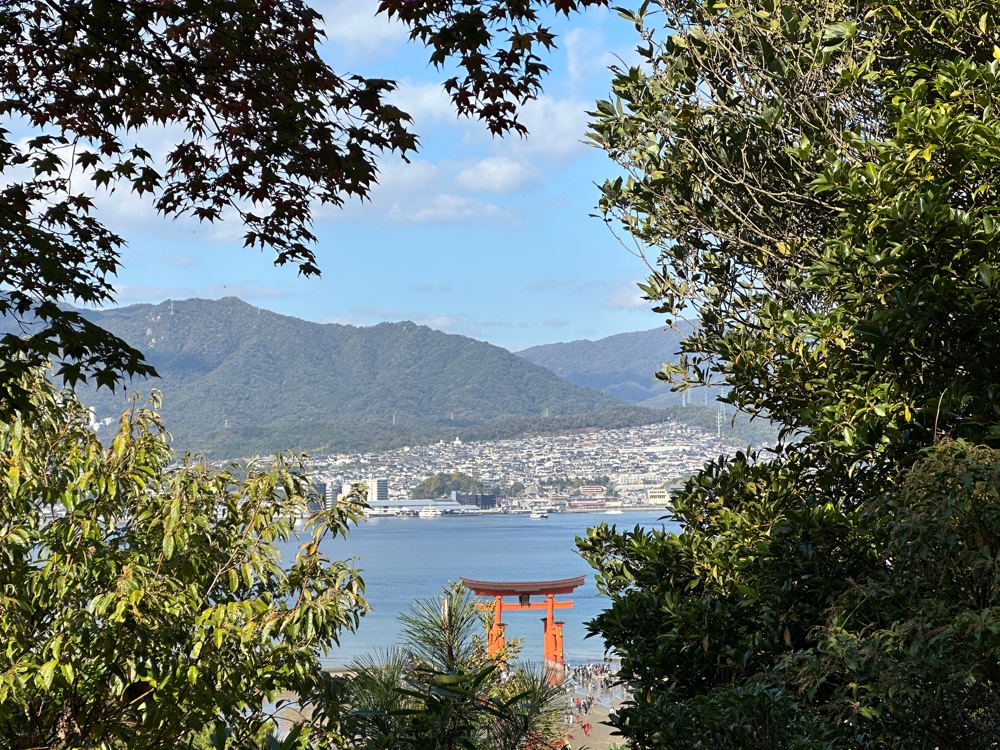
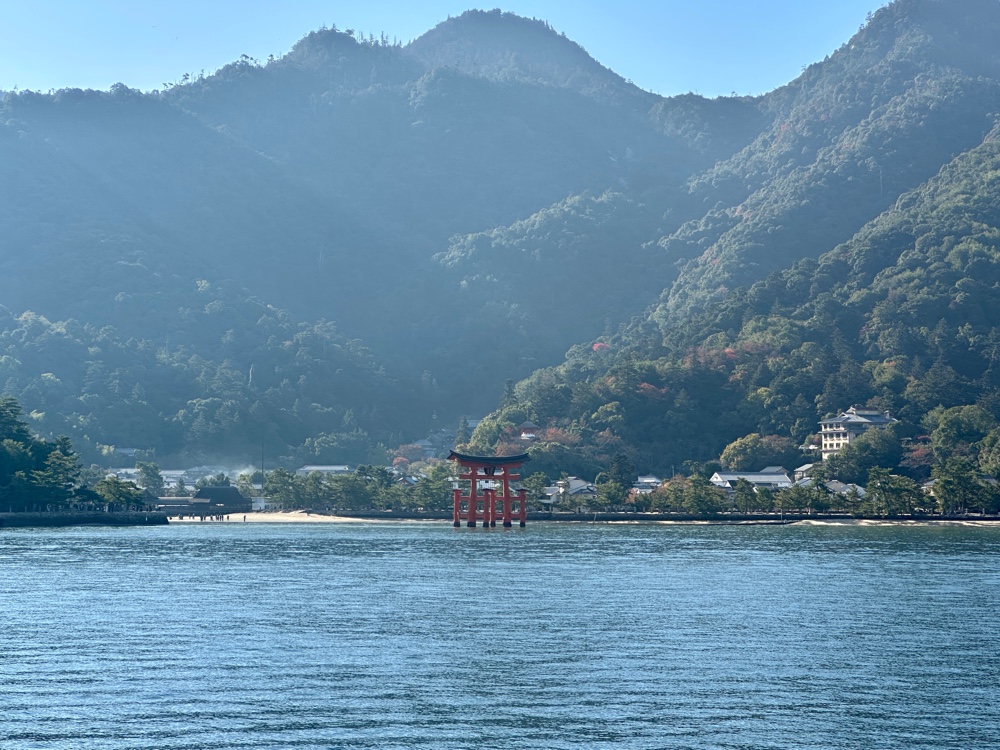
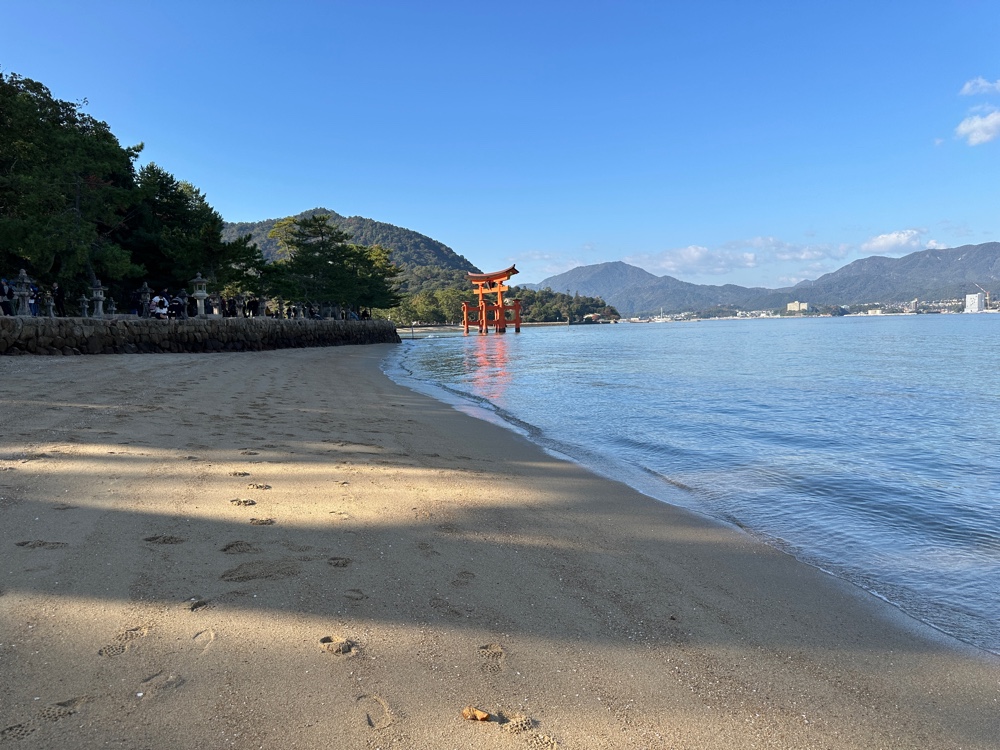
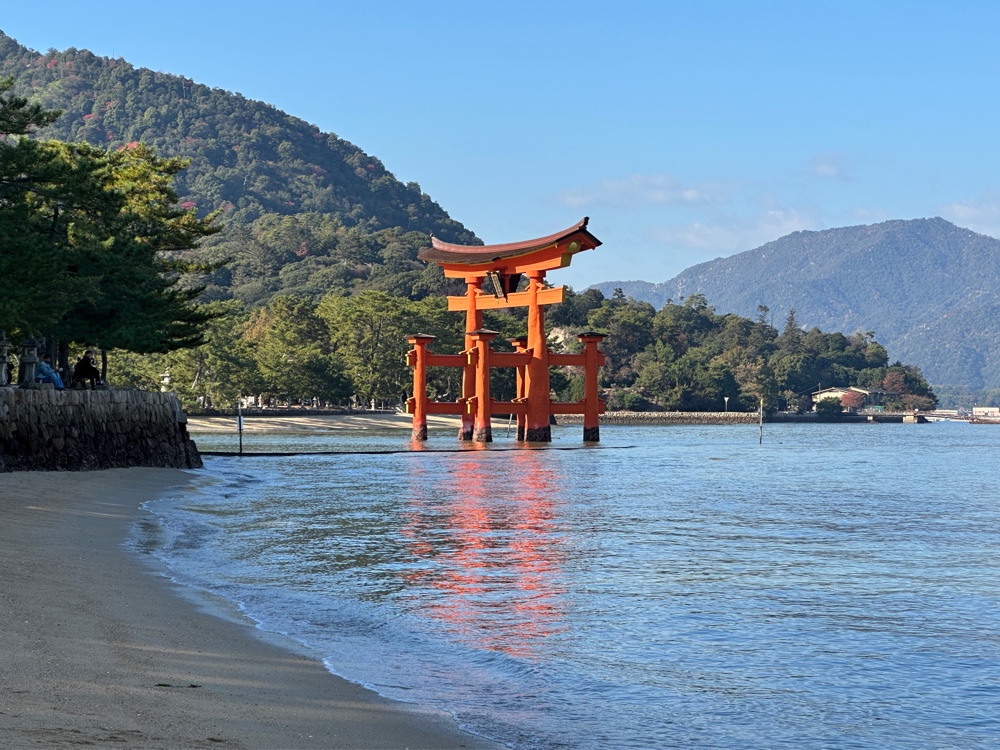
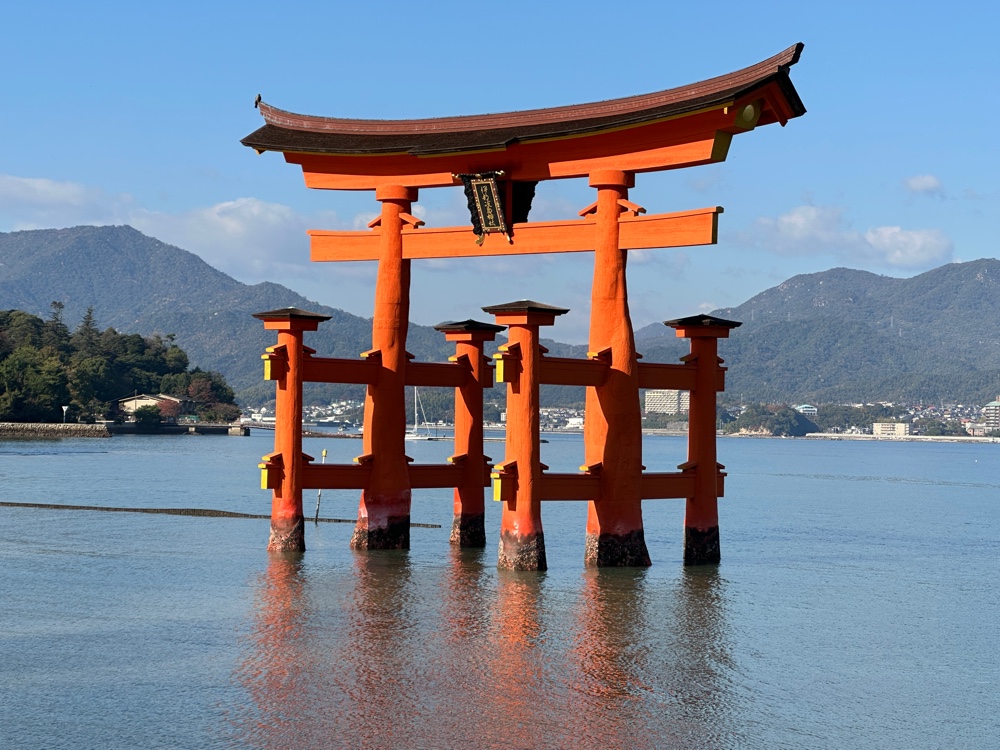
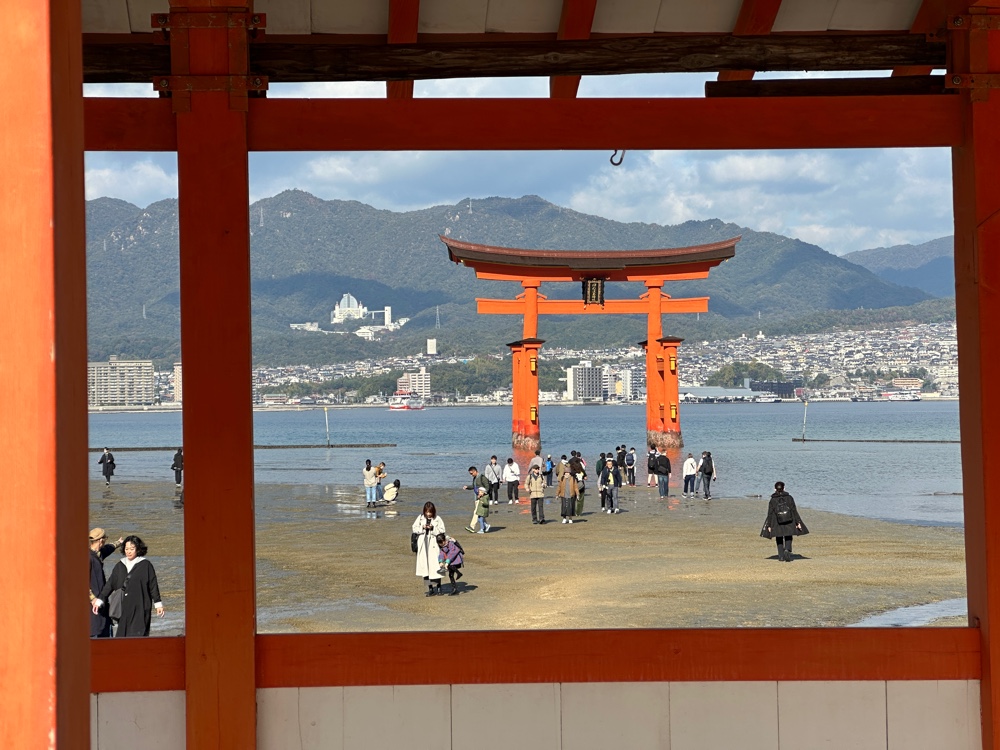
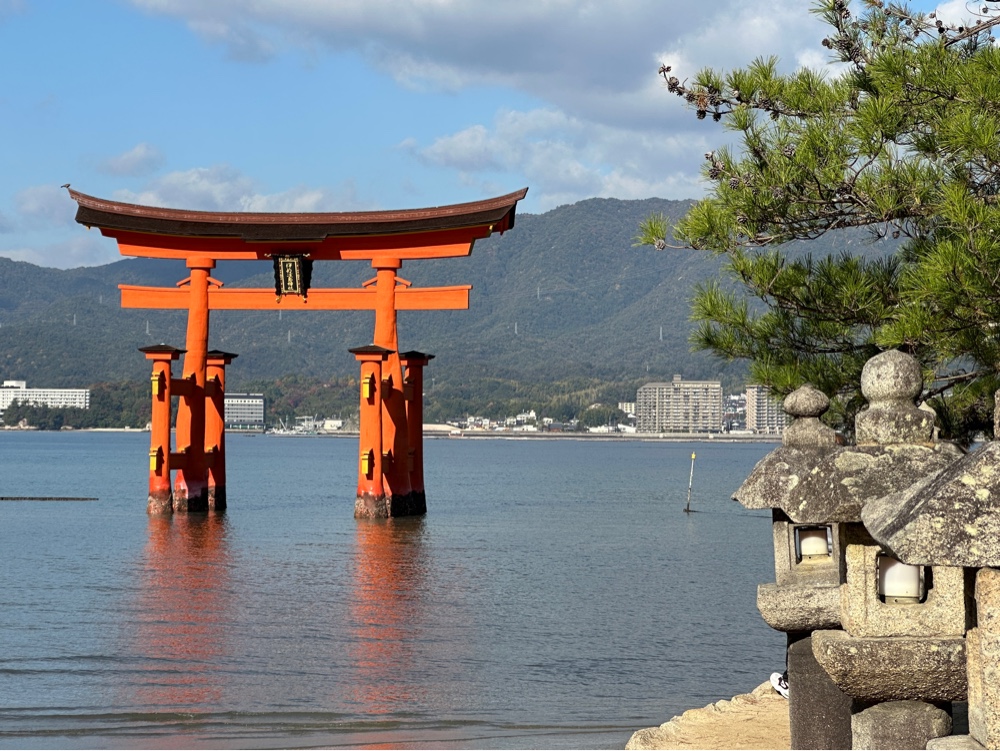
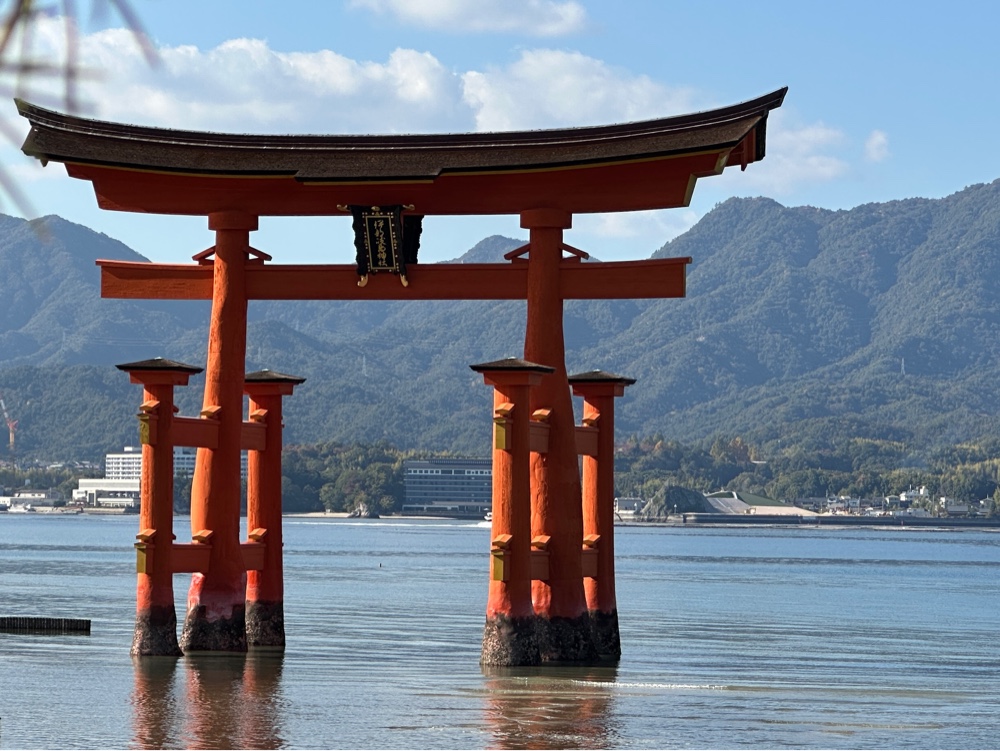
If there were only two pictures of Japan that you’d ever seen, it’s likely that one of them would be of Mount Fuji, while the other would be of the great Tori Gate in the water off the island that is often called Miyajima now. Today we visited that Tori Gate. Unfortunately, the tides weren’t right - we visited at the time of month when there’s the least difference between the high and low tides, and we visited a couple of hours after the peak of the high tide (which was too low for the exactly right picture anyway). At low tide, you can walk out and touch the Tori Gate, so it definitely doesn’t look like it’s in the middle of the ocean. Also, it’s very popular, especially since today was a Saturday, so there were many people trying to get as close to the Tori Gate as possible (however, since it was a high low tide, people couldn’t actually touch it for very long). This also wrecks the illusion that it’s in the middle of the ocean. 

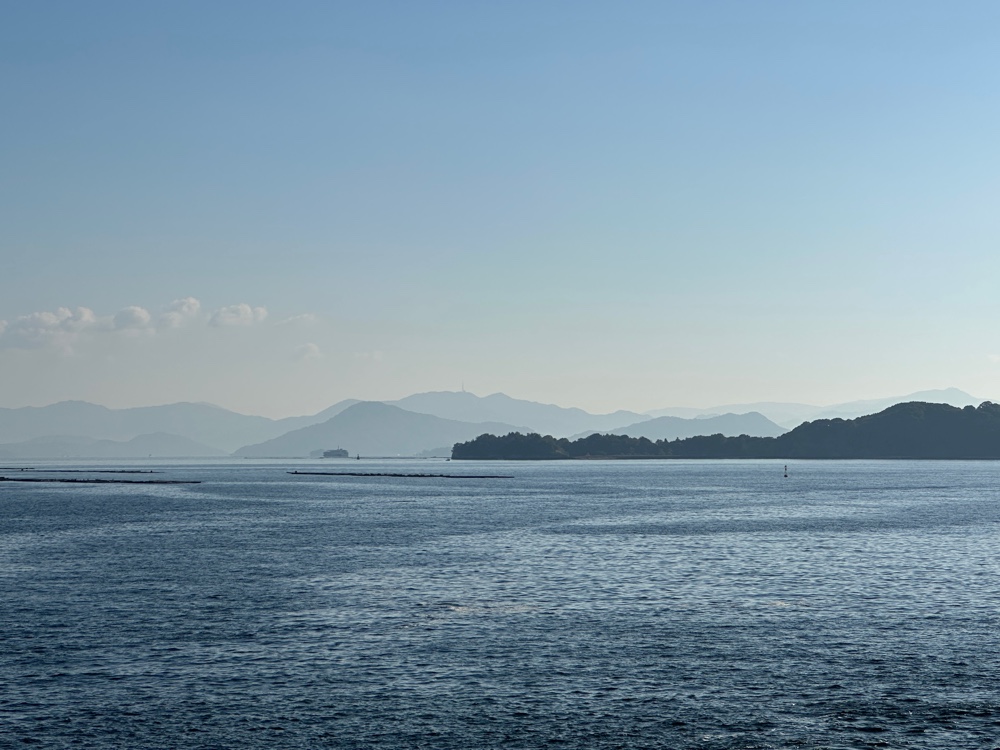
To get there, we took a train and the first ferry of the day. 


Everyone got off the ferry, walked along the side of the beach 


and visited the Tori Gate 


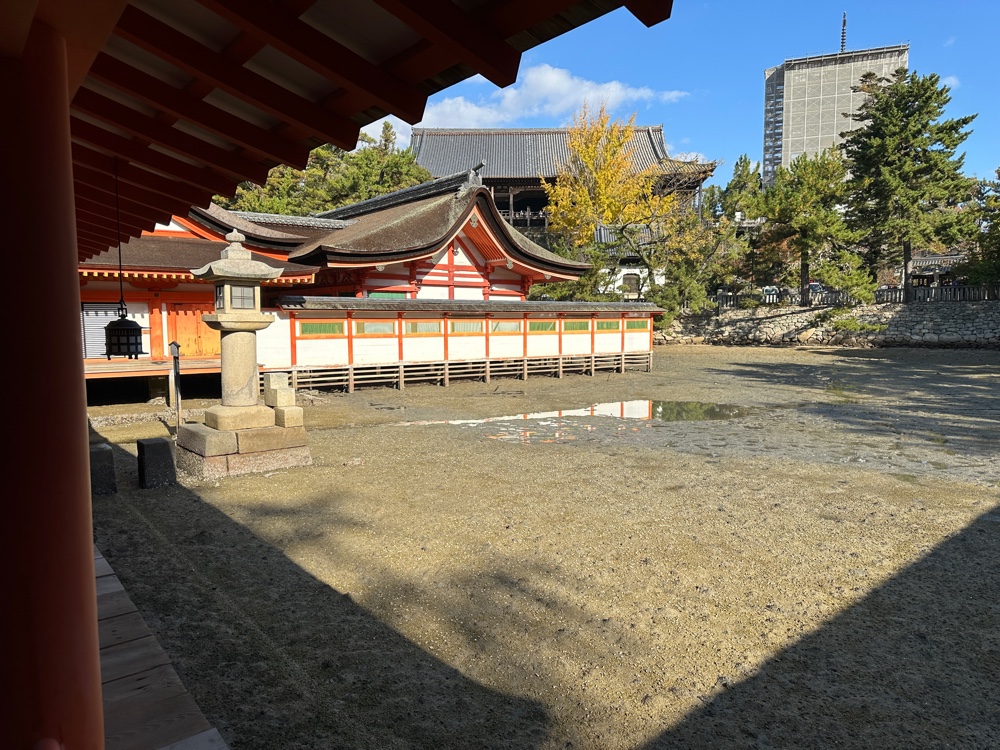
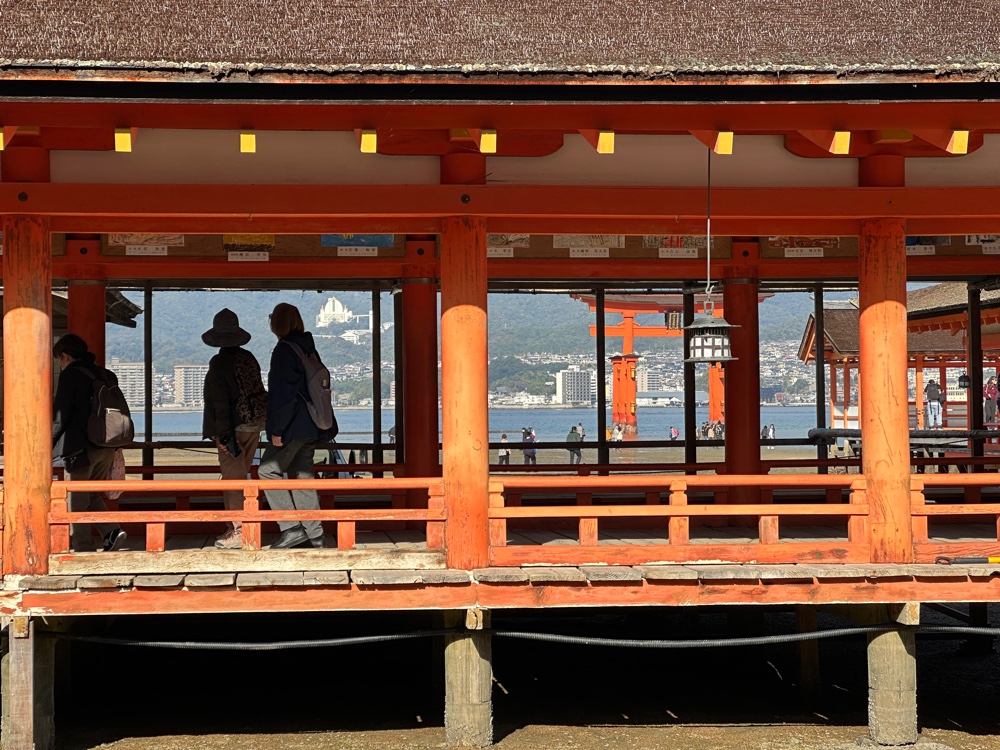
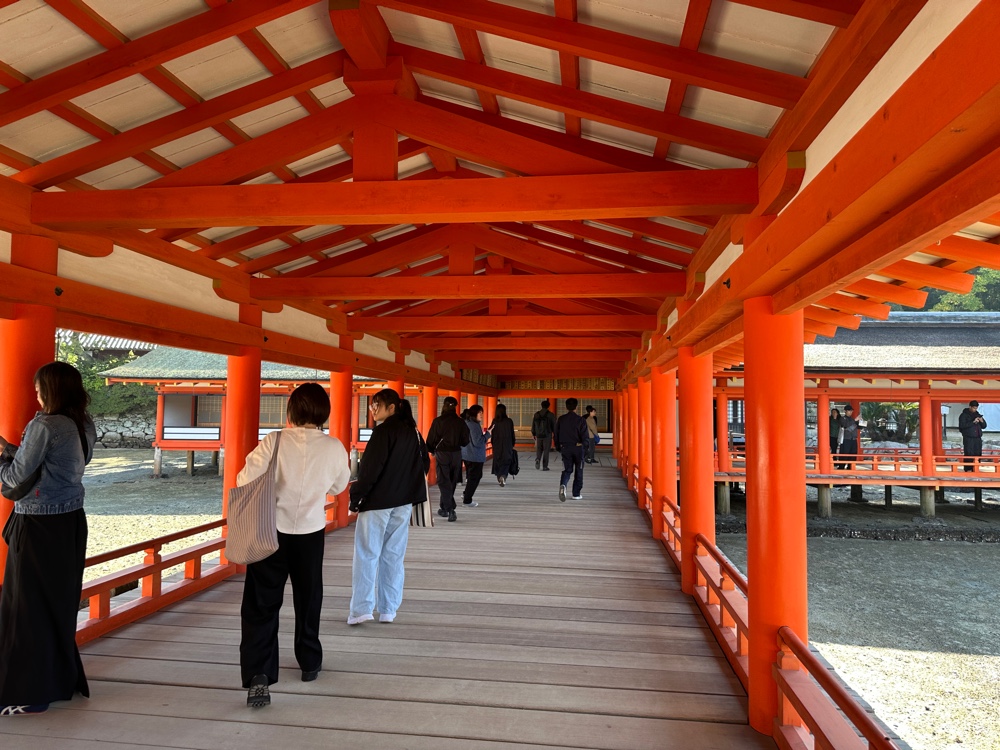
and the Itsukushima shrine. Tori gates welcome you to shrines, so it actually is part of the shrine. At the right tide, the shrine looks like it floats. However, today we saw it surrounded by mud. And it was quite crowded. At least we were on the first ferry, and visited the shrine immediately.


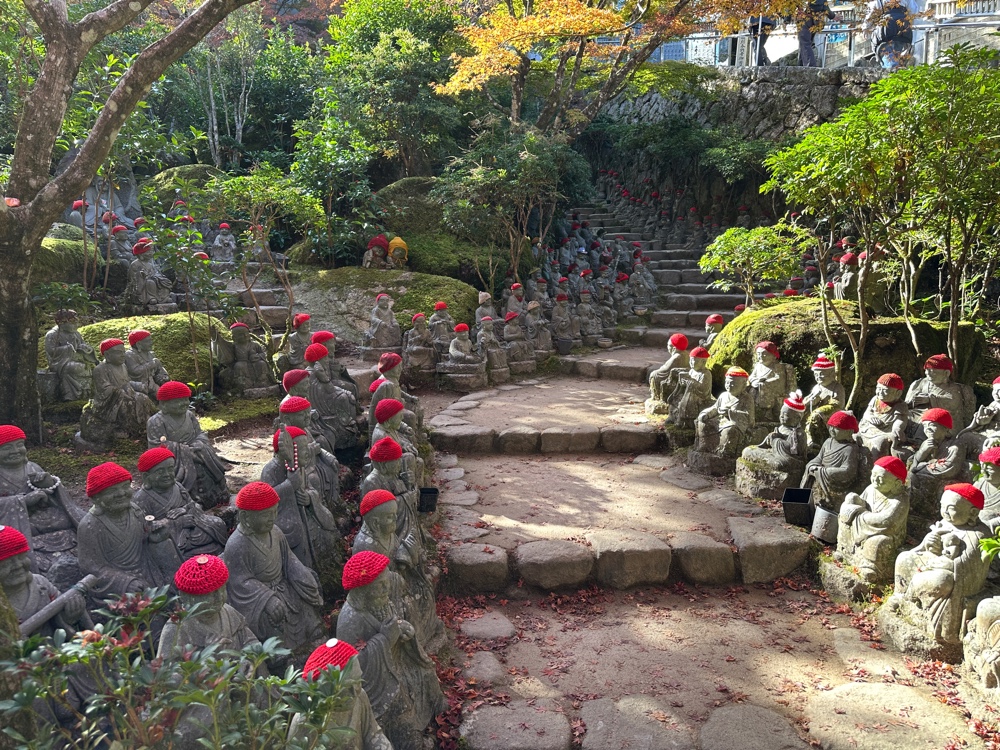
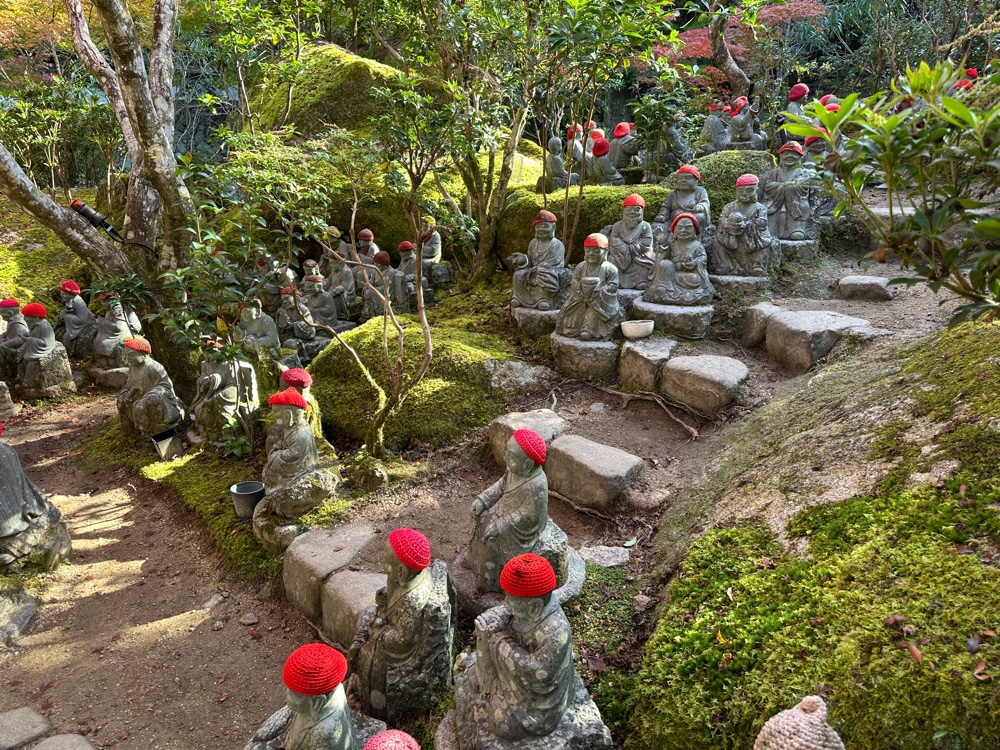
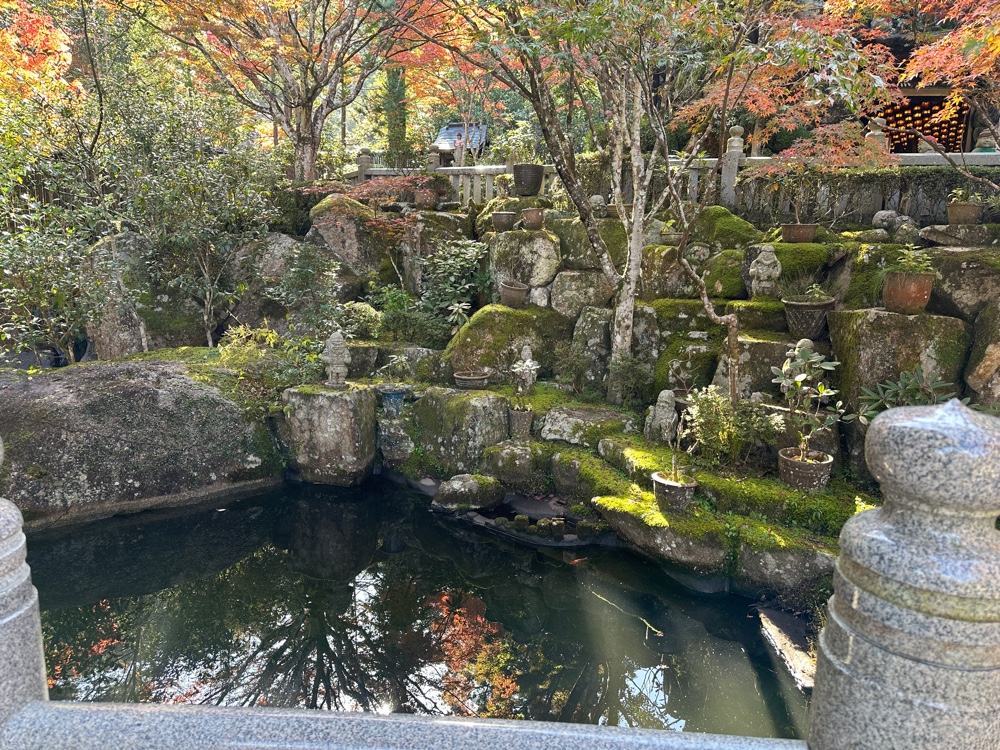
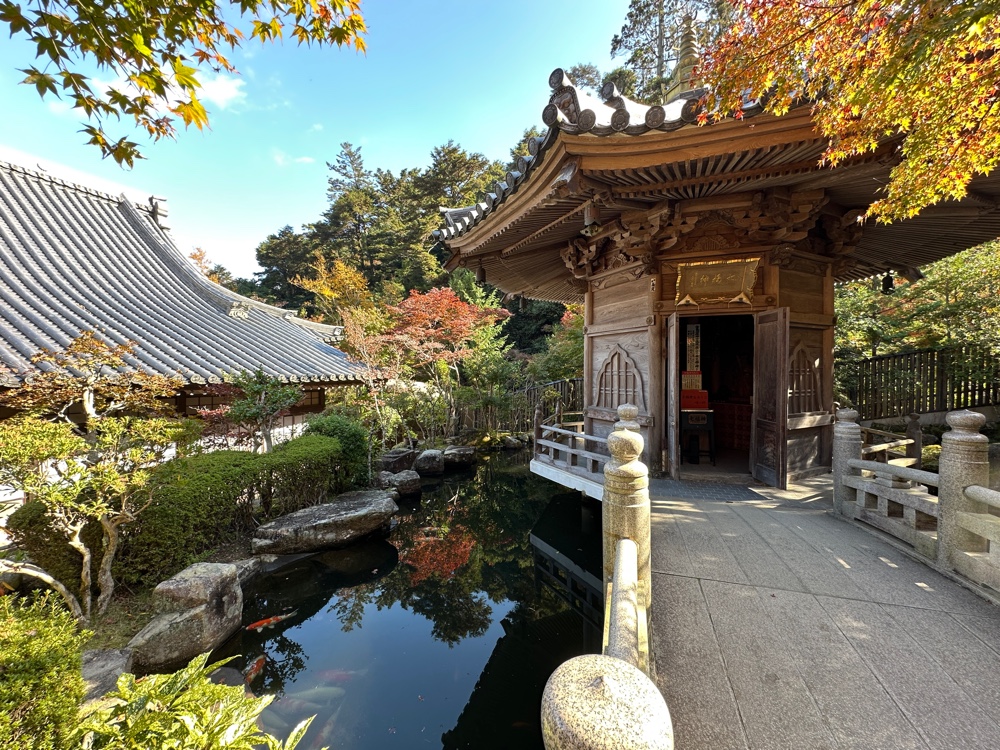
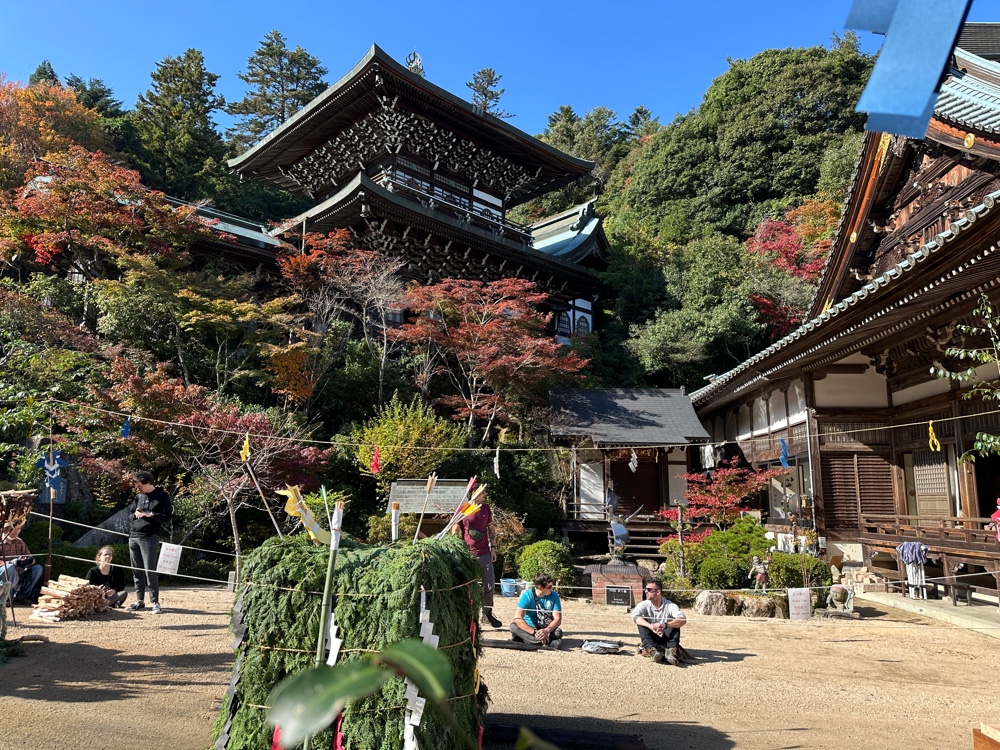
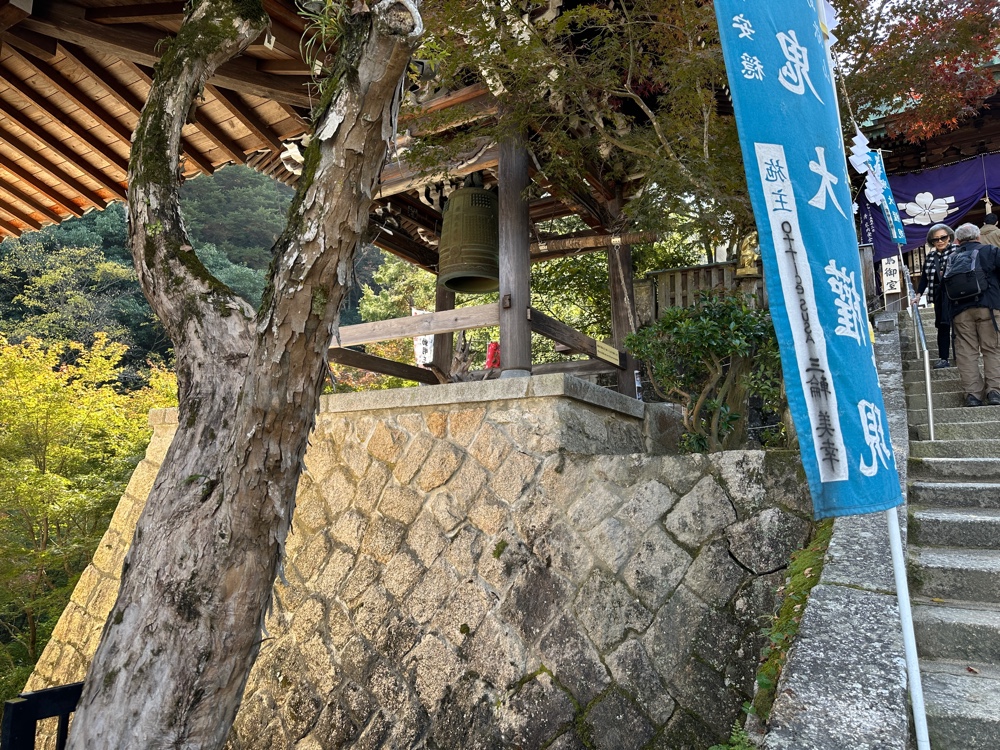
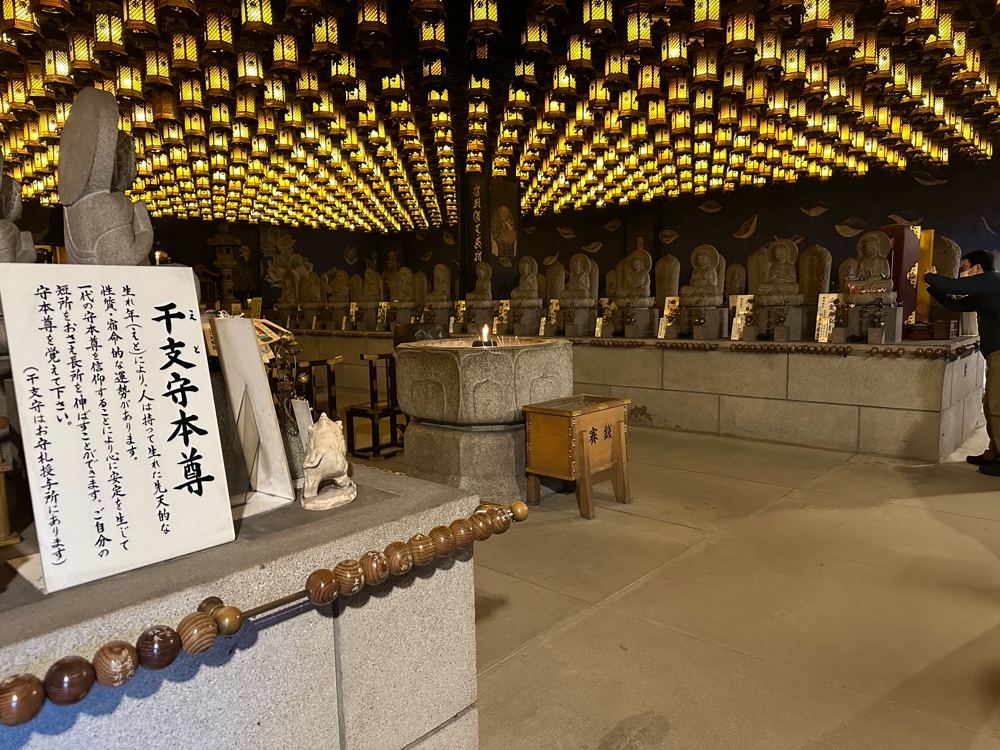
We then wandered up the hill to the Daisho-in Temple. Once you reach the temple, the hill becomes very steep, and the temple has a lot of parts at various levels. 


As I was coming down from the cave near the top, 


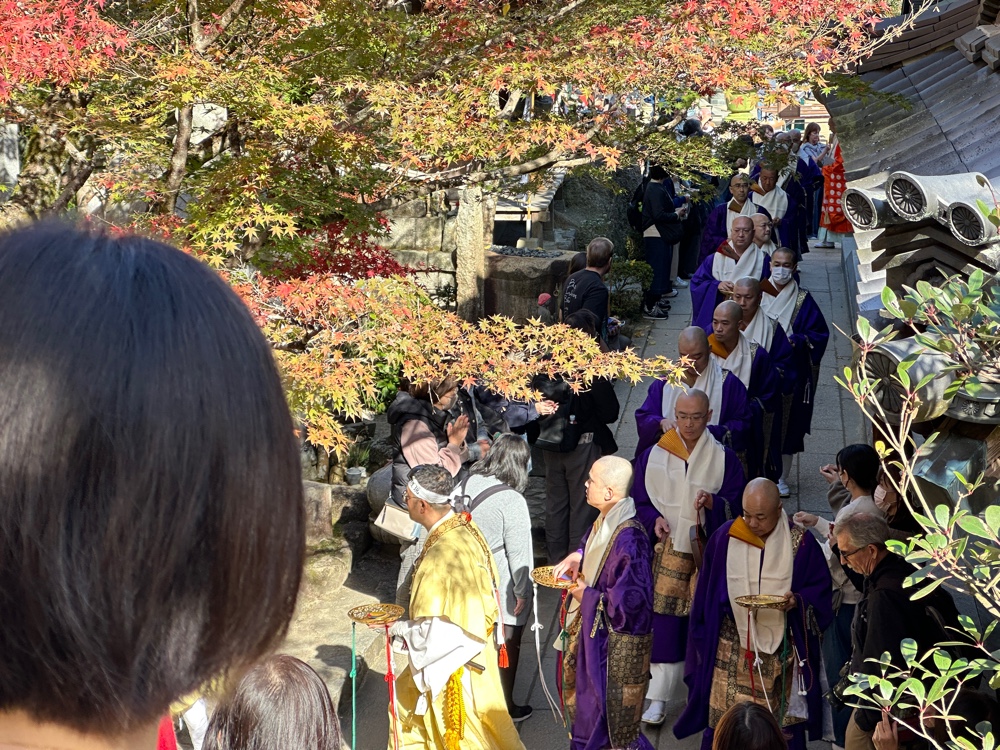
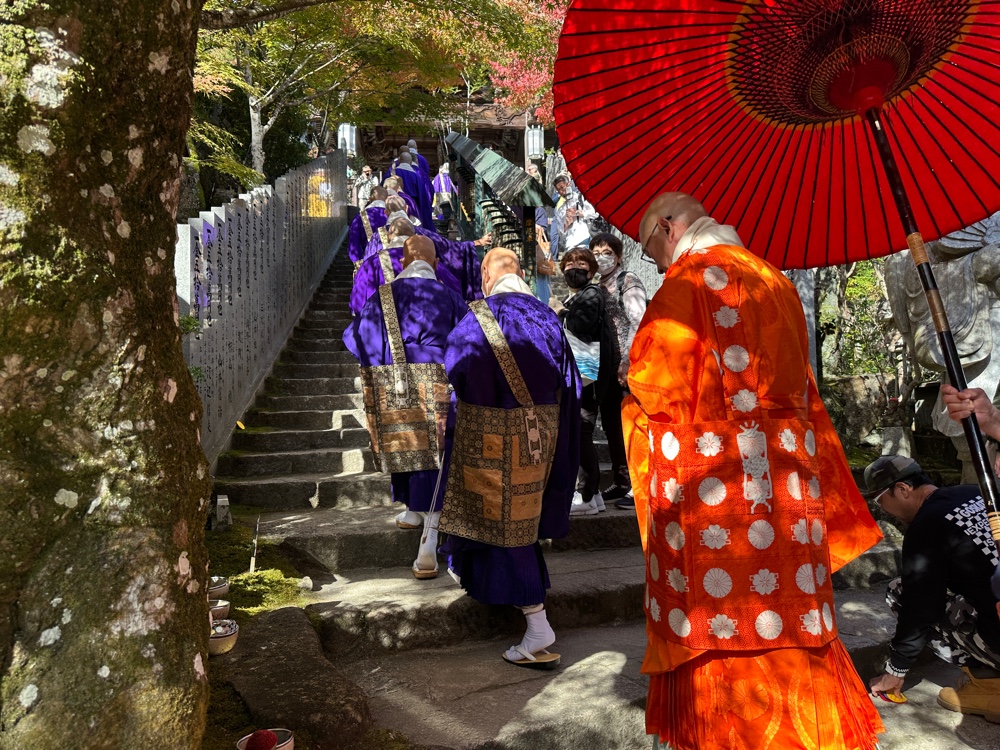
I saw a parade of priests going up to the pagoda.


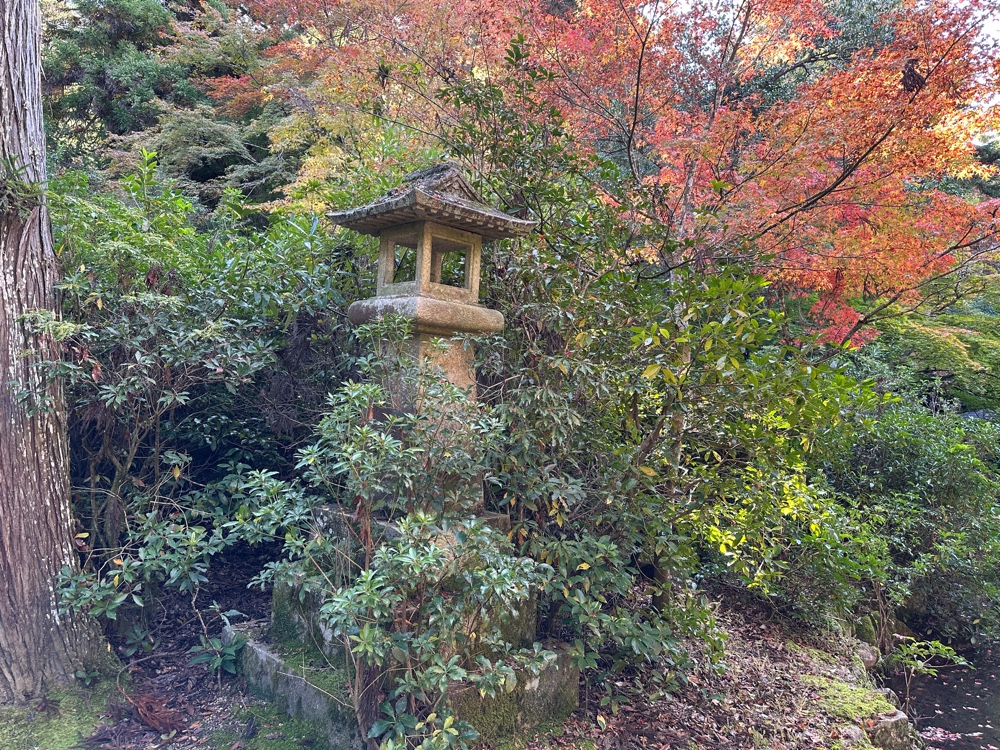
After visiting the temple we walked along the streets, through Momijidani park 
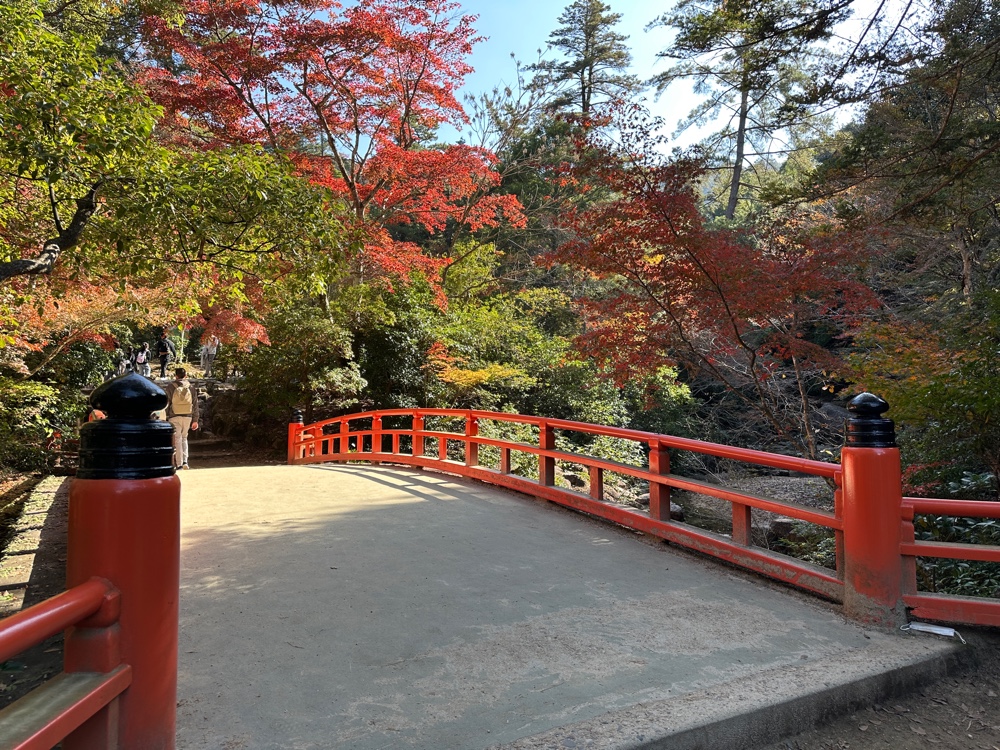


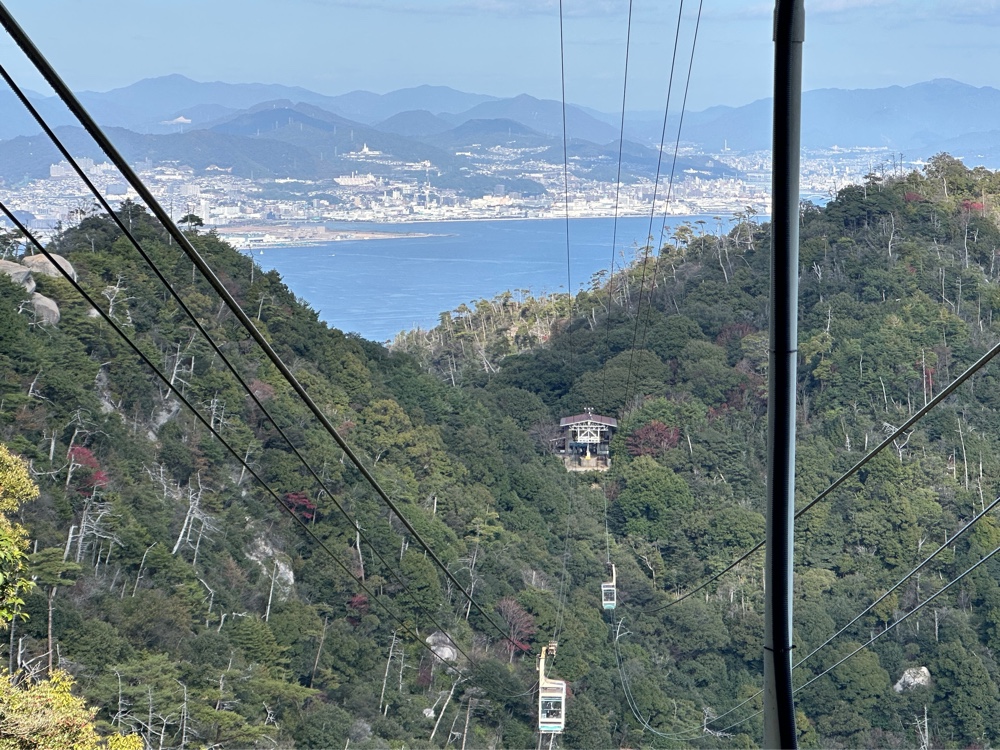
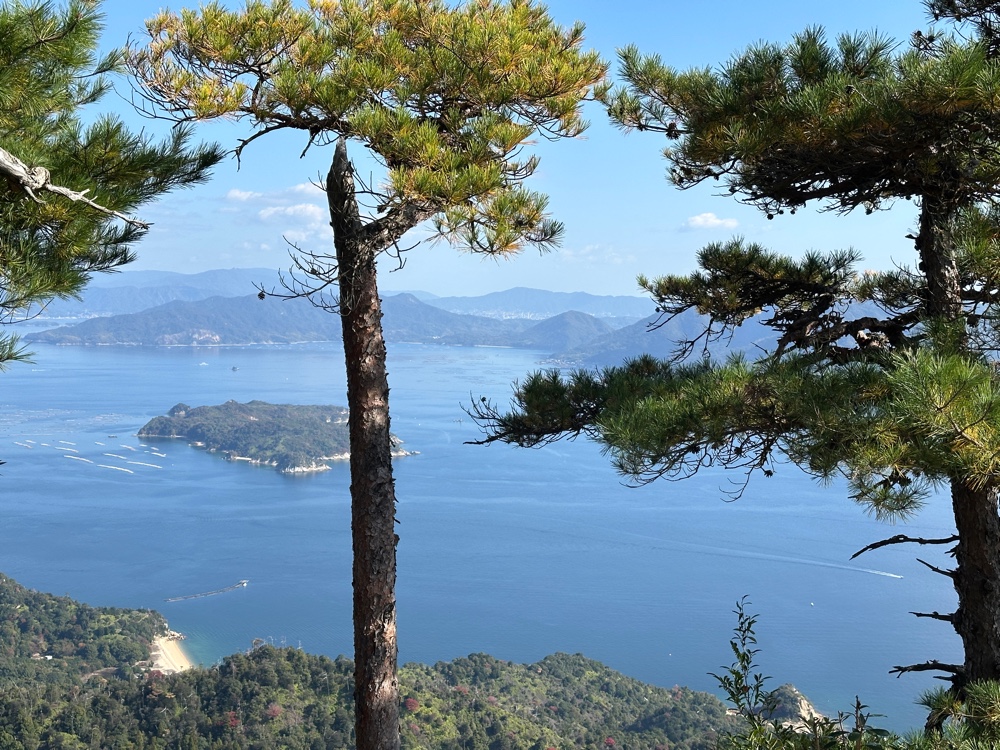
to where the gondola up the mountain started. We took the gondola up, and then walked further up towards the top of Mount Milson. It was very steep, and none of us went all the way to the top.


On the way back, there was an enormous crowd, so we just got on the second ferry, and took the tram back to our hotel because, although it was slower than the train, it wasn’t crowded, and its terminus was right at the ferry, so we didn’t need to walk all the way to the railway station. I think it may also have been cheaper.