The Carnarvon gorge is part of the Great Dividing Range that starts in New Guinea, crosses the Torres Strait (it’s submerged there and the Torres Strait islands are really peaks of the range. Then it goes along the east coast of Australia until it reaches Victoria, where it turns right and continues until about the South Australian border. In some places it is right on the coastline, and at others it goes a fair way inland. It’s a very old range so it’s never very high, but there are many places where sandstone parts of it are very jagged forming escarpments and gorges. As I was driving from Roma yesterday, I was pretty surprised to see a sign saying I was crossing the Great Dividing Range because I didn’t know that it came so far inland here.
Carnarvon Gorge is a sandstone gorge, with high white cliffs on both sides. The gorge itself is over 30km long, but there are escarpments that continue for a great distance. The drive from Roma was very interesting because it was hilly and bits of escarpment kept on coming into view. Because it’s part of the Great Dividing Range, the park gets a reasonable amount of rain and has some unique microclimates. As a result, some things are endemic to the park, and there are some plants in the park that only otherwise occur in small patches on the coast.
To the south of the park, all the rivers form the most northerly part of the Murray-Darling system, while those to the north and east drain to the coast. The park has a number of sections which is why the great walk can be so long and still be in the park.
The gorge has a number of walks, most of which are branches from the Main Walking Track. There’s also a Great Walk that takes six or seven days.
Today I packed up my car and drove it to the visitors car park to begin walking up the main walking track. I decided to go as far as the Art Gallery, and turn back there to walk all the branches to that point except the walk to Boolimba Bluff.
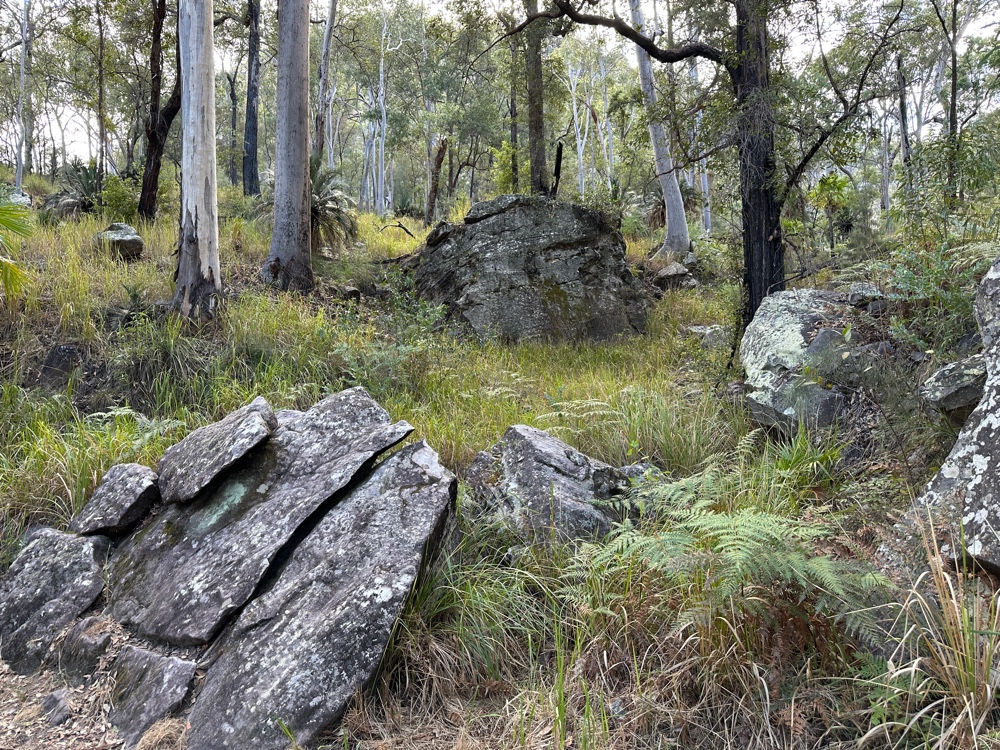
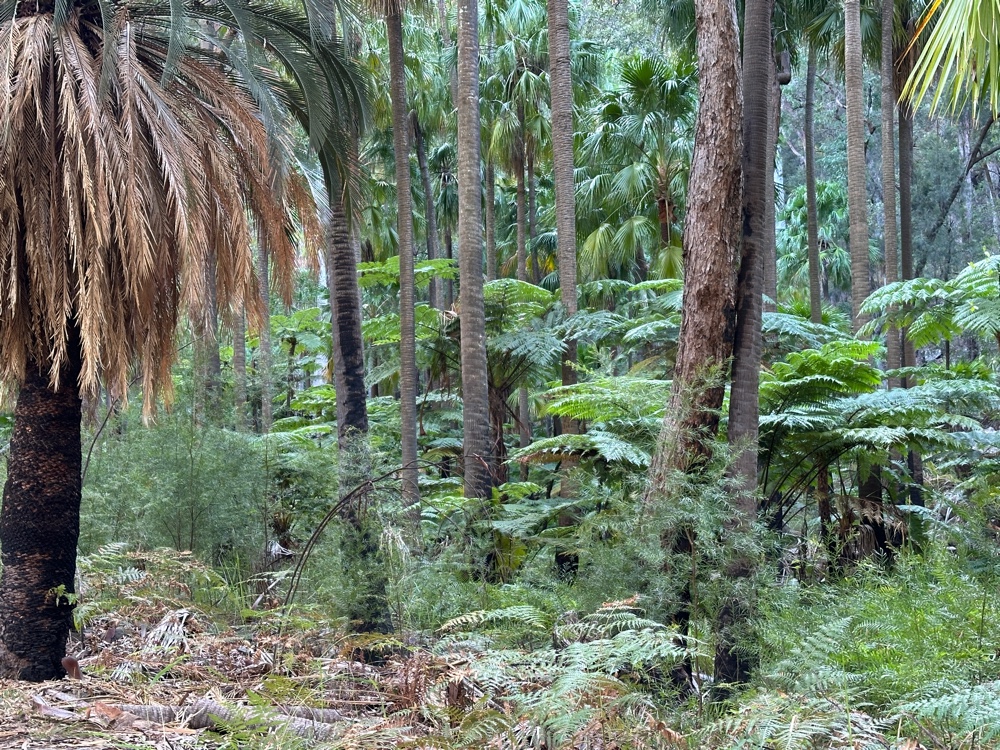
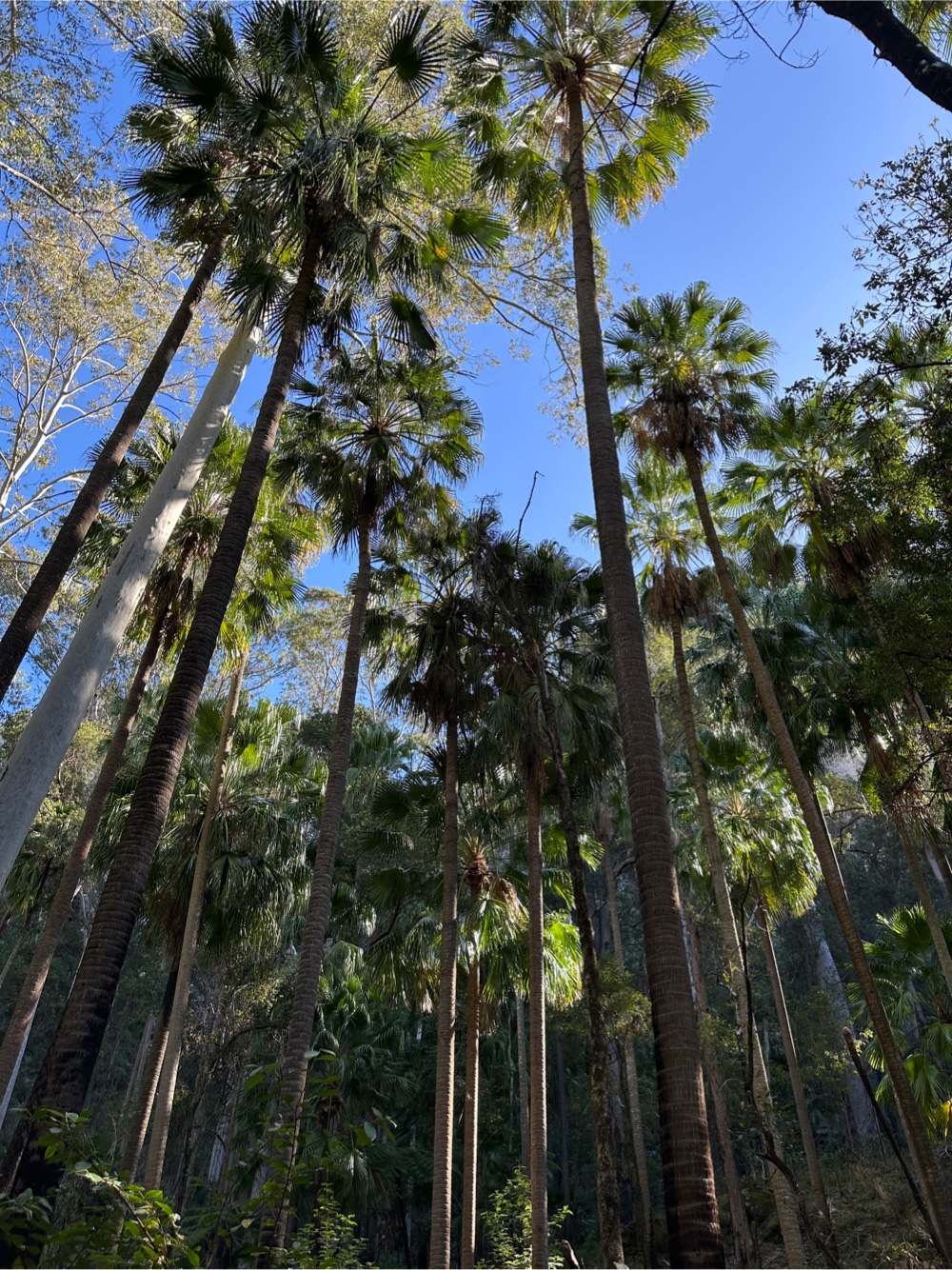
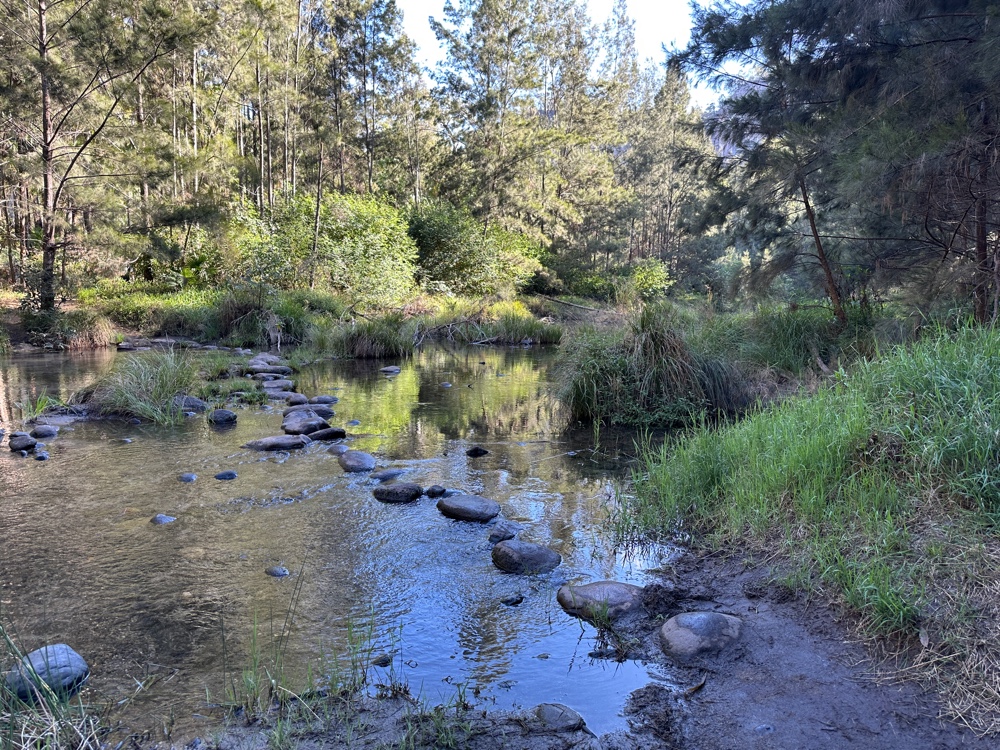
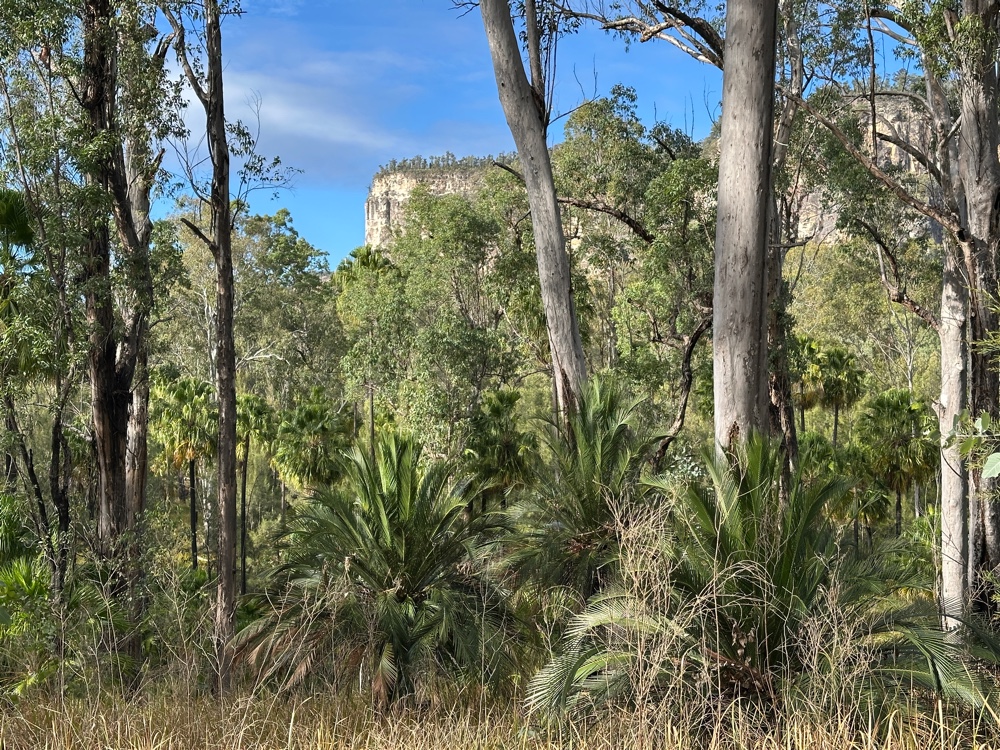
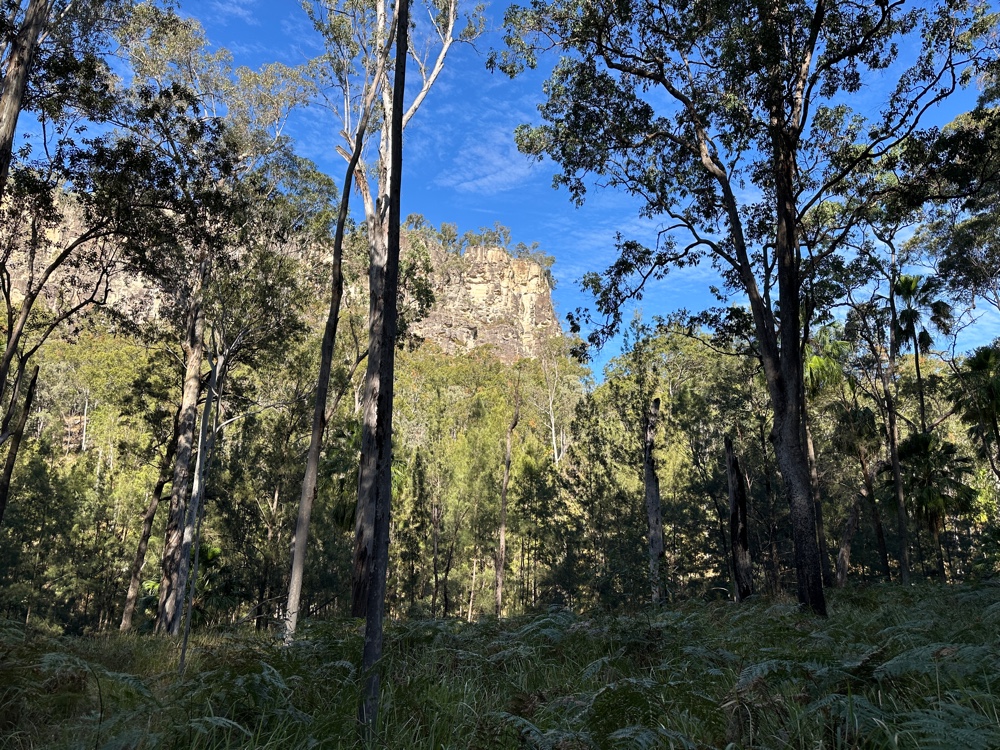
The main walking track was really beautiful, with the Carnarvon Creek running through it, and the vegetation changing between eucalypts, calistamins, palms and tree ferns.
The path uses steppingstones to cross the creek at least five times during my walk.
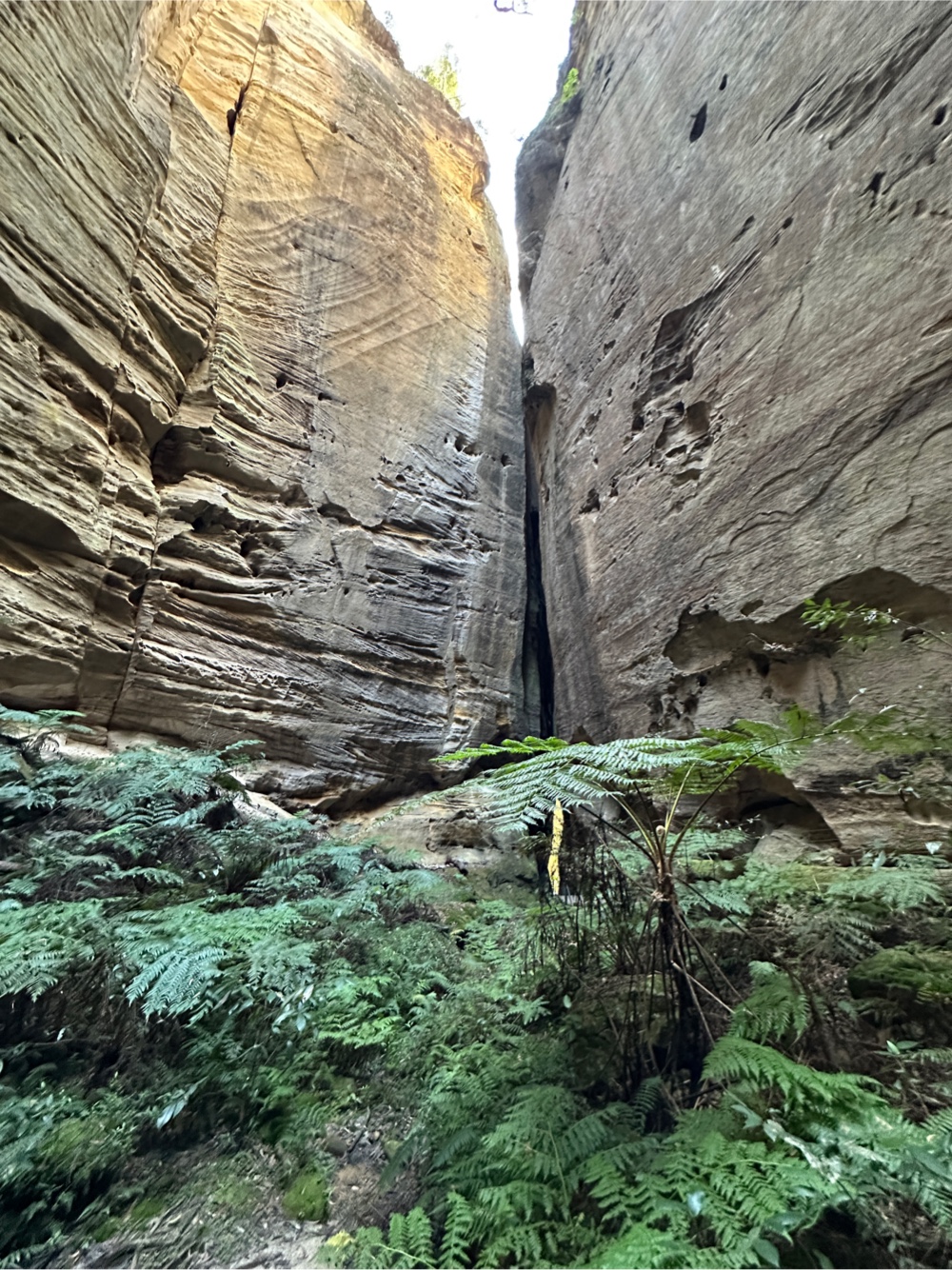
I kept on seeing the sheer white sandstone cliffs on both sides.
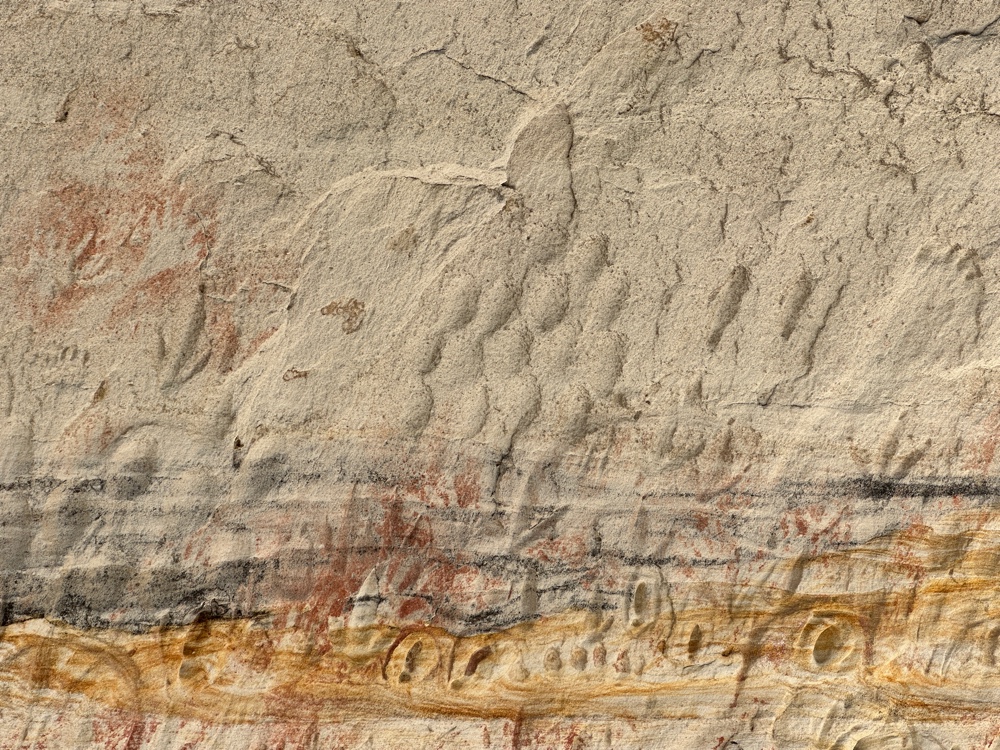
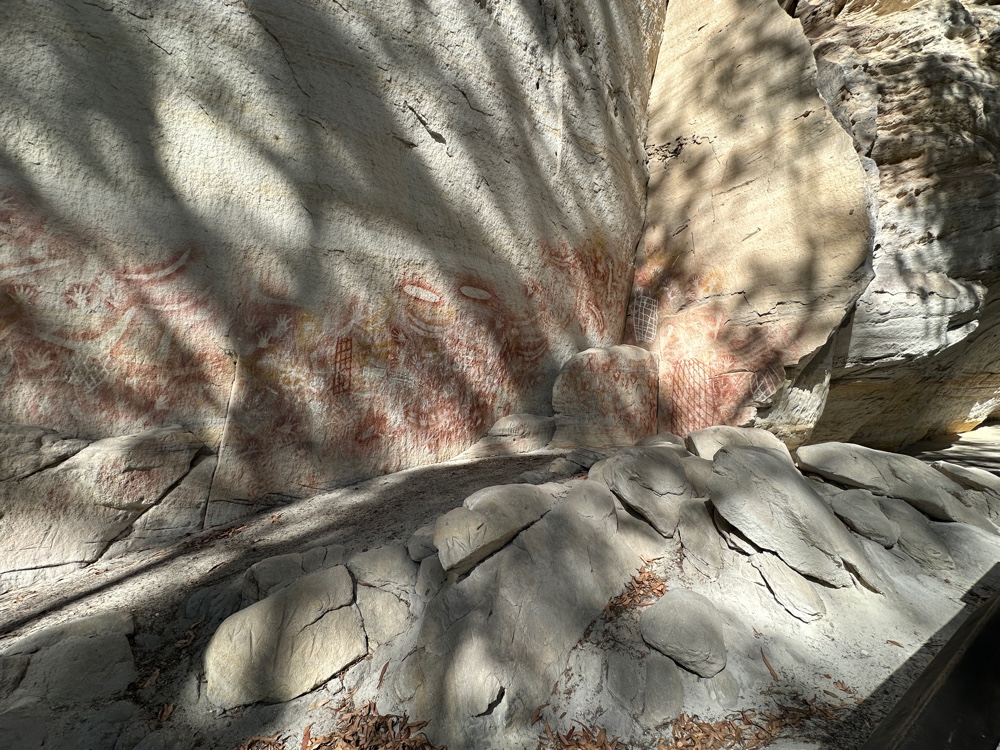
The side branches are the highlights. The art gallery contains over 2000 engravings, ochre stencils and freehand paintings including some of the best examples of stencil art in Australia.
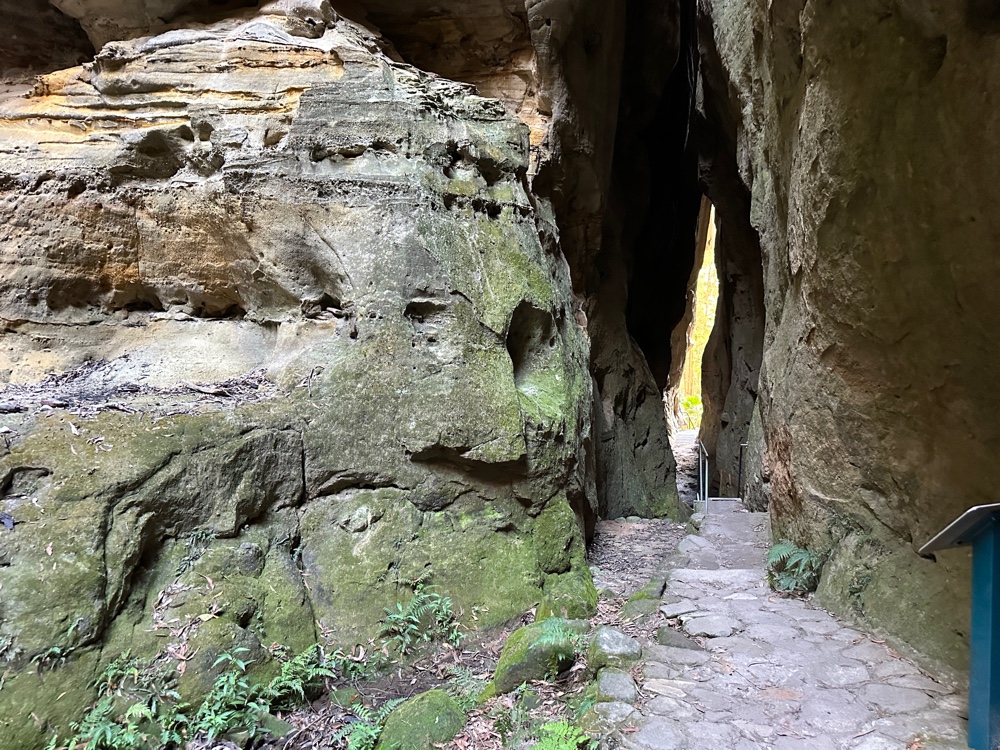
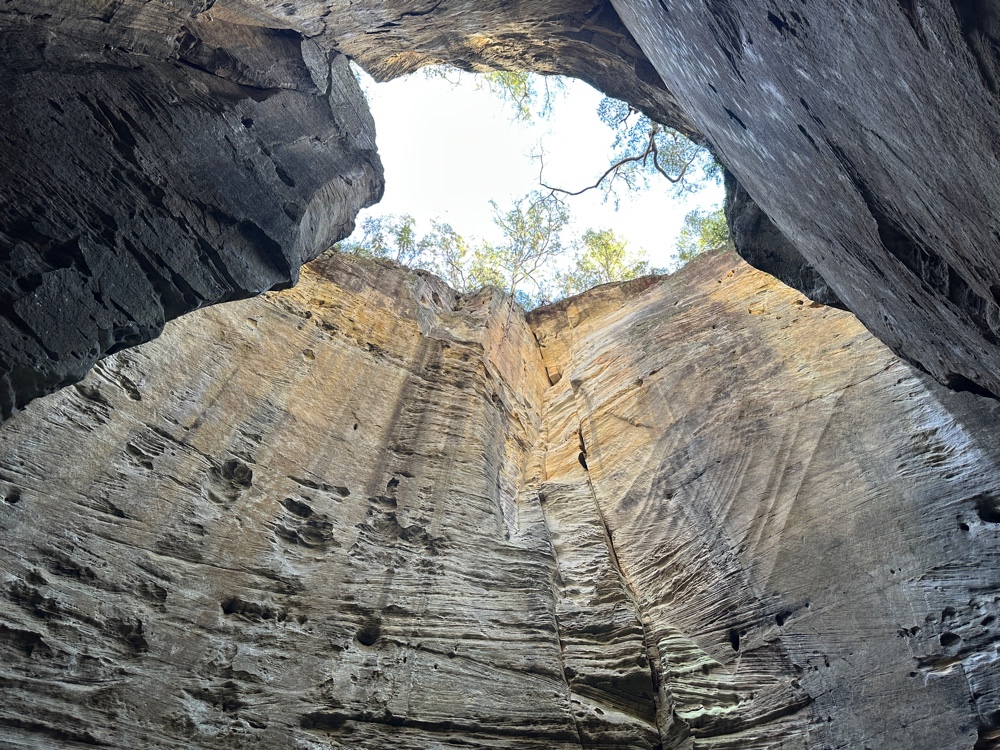
Unfortunately, Wards Canyon was closed due to rock falls, and I suspect it won’t reopen. It includes the world’s largest fern. The Ampitheatre is more difficult to get into, with a series of metal steps up to it that you need to go down backwards, but once you enter through a slot canyon you are surrounded by sheer walls letting in a circle of light from the top.
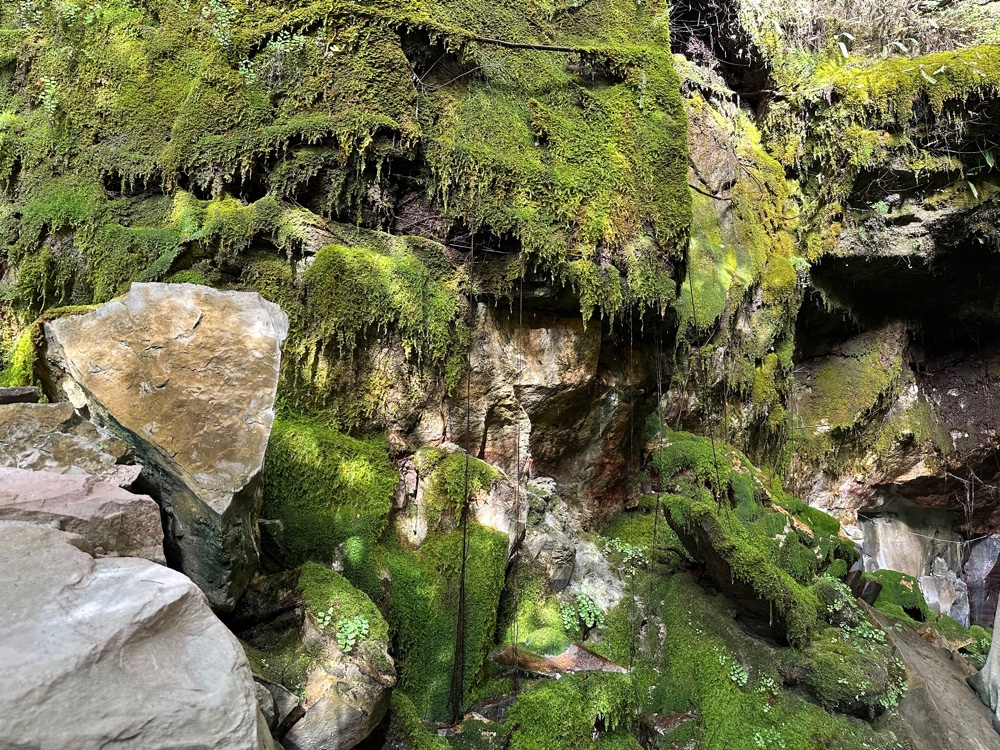
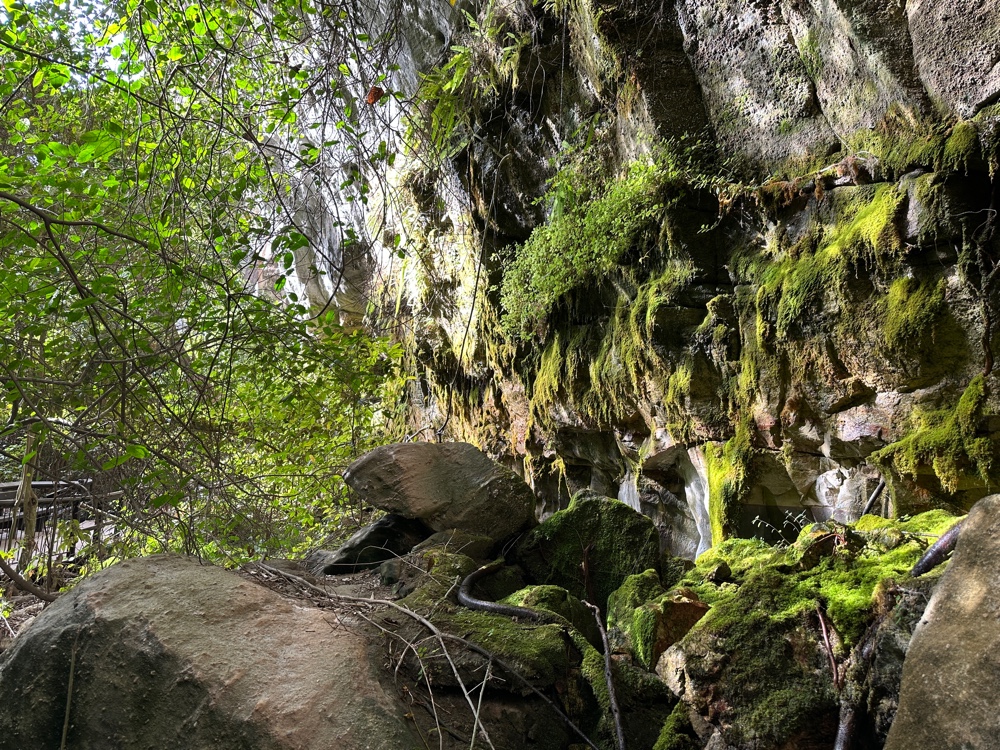
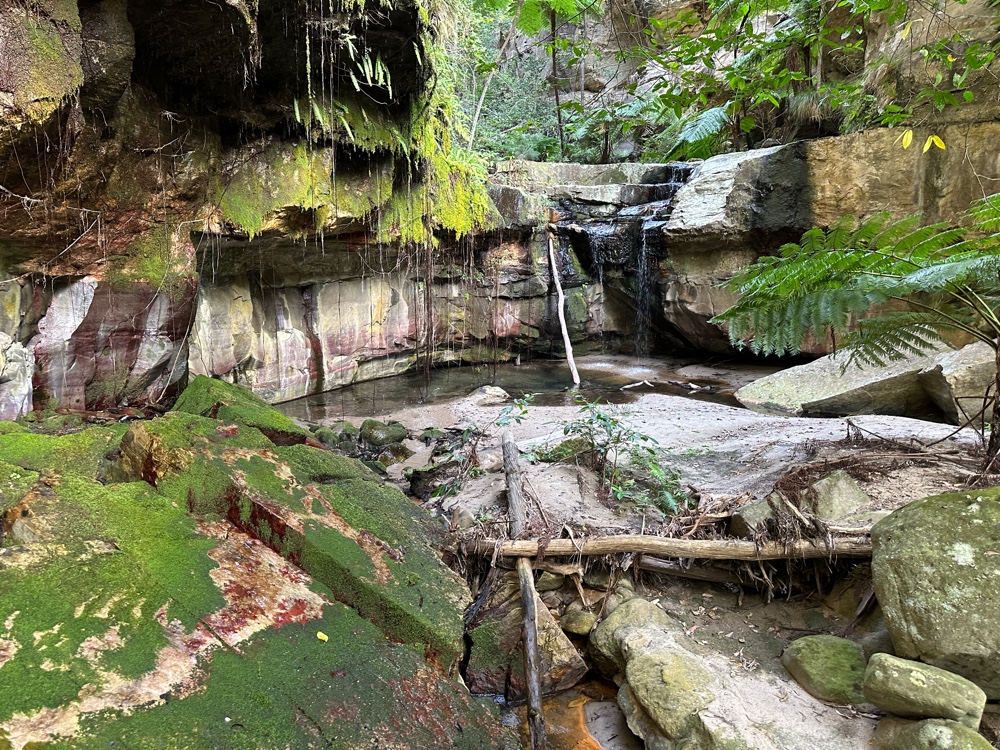
The last branch I visited was Moss Garden, a tree fern gully with the bottom of the sheer walls dripping with mosses. There were also three waterfalls.
I was very happy I visited.

No comments:
Post a Comment