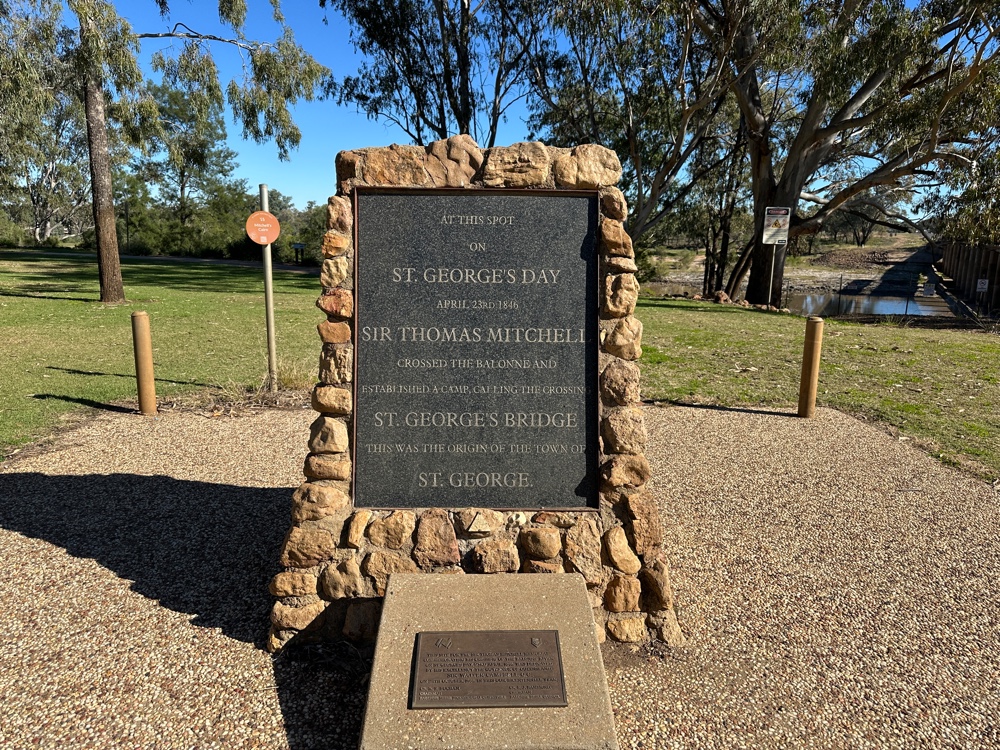
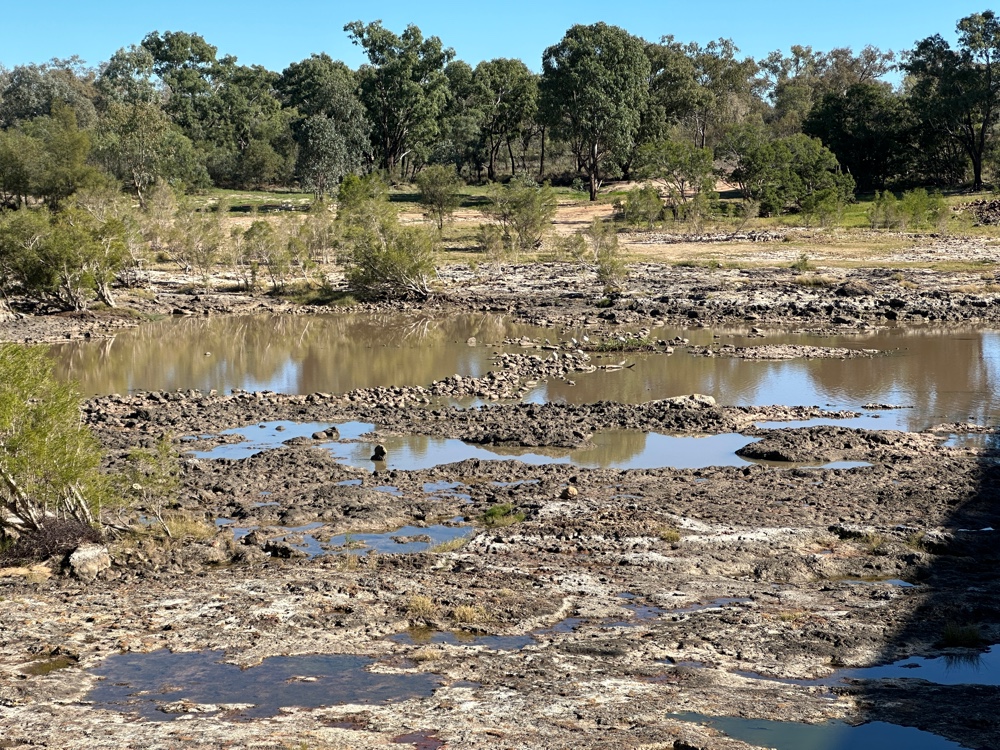
Major Mitchell was one of the explorers we all are told about when we learn about Australian history in primary school. He wandered through the place where current day St. George stands on St. George’s day, and found a natural bridge over the river here. He suggested that an outpost be founded here, and it was. The natural bridge is still there - more of a ford - and I visited it and the walking trees this morning (the trees look like they’re walking because this section of the river floods regularly and the soil from around the roots gets washed away.
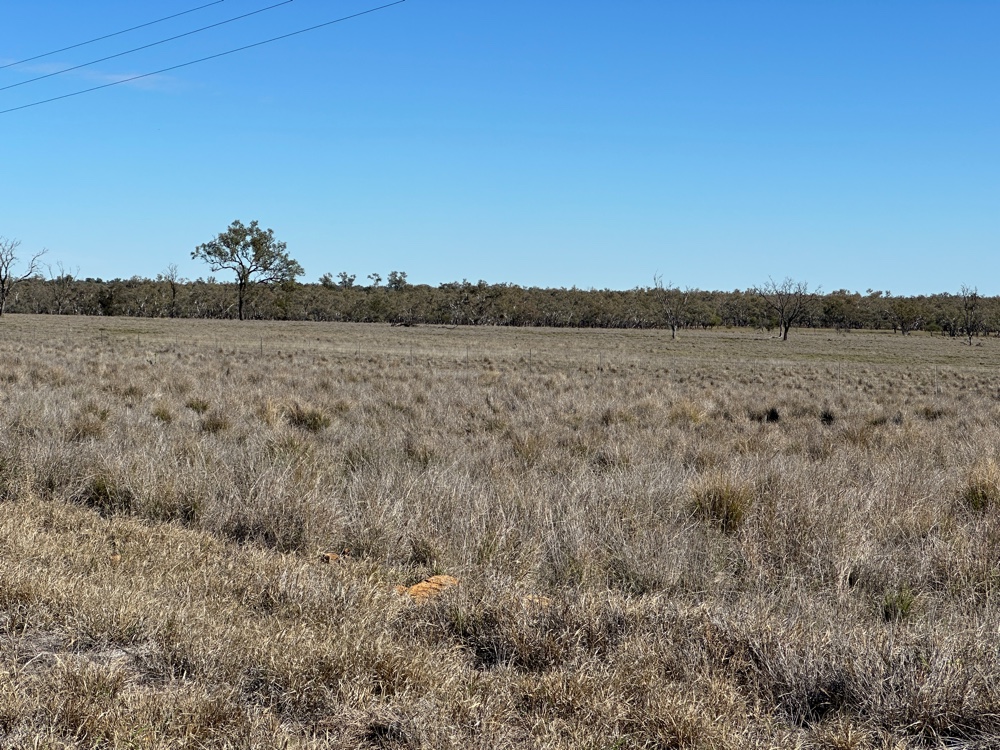
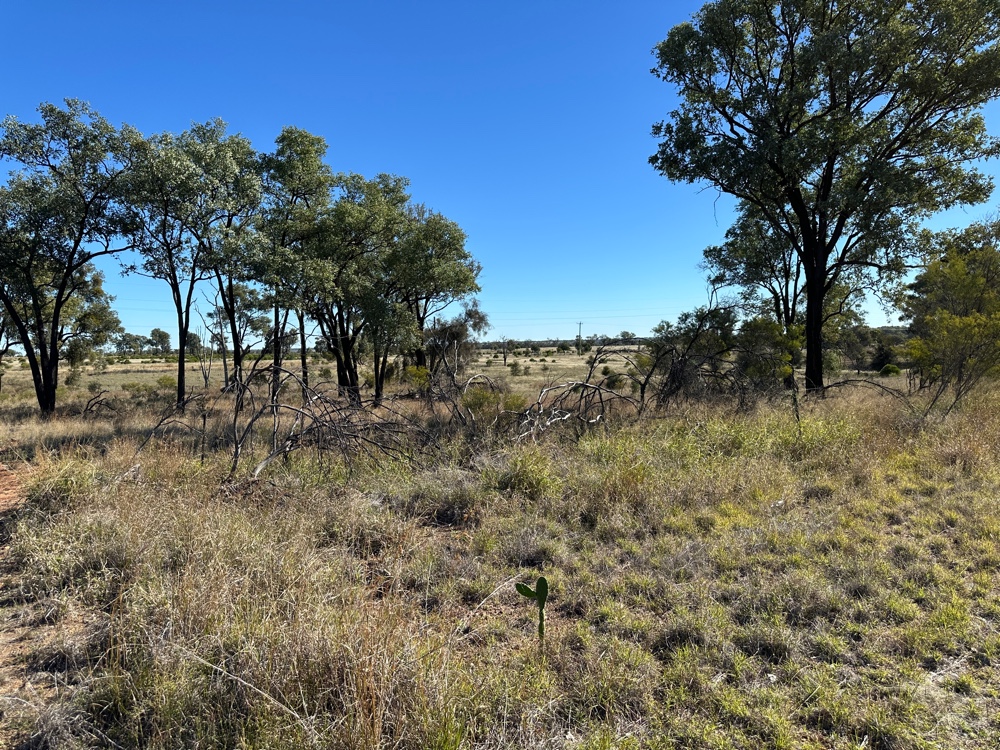
Soon after leaving St. George, I saw a sign that I was entering the Maranoa - yet another area often referred to in droving songs, often coupled with the word “swampy”. I find it hard to think of this area of the world as swampy, or even wetland, because for most of the time it’s not very wet. All the places I’ve been going through do get floods, but more often they get droughts. There’s recently been a lot of rain throughout the whole of Queensland that I’m going through, but the roads I’m using are no longer flooded, and the rivers are at normal levels even though there’s wet ground everywhere, and the grass is all green. However every dip in the road seems to be named something swamp - paradise swamp, green swamp… But they’re all dry at the moment.
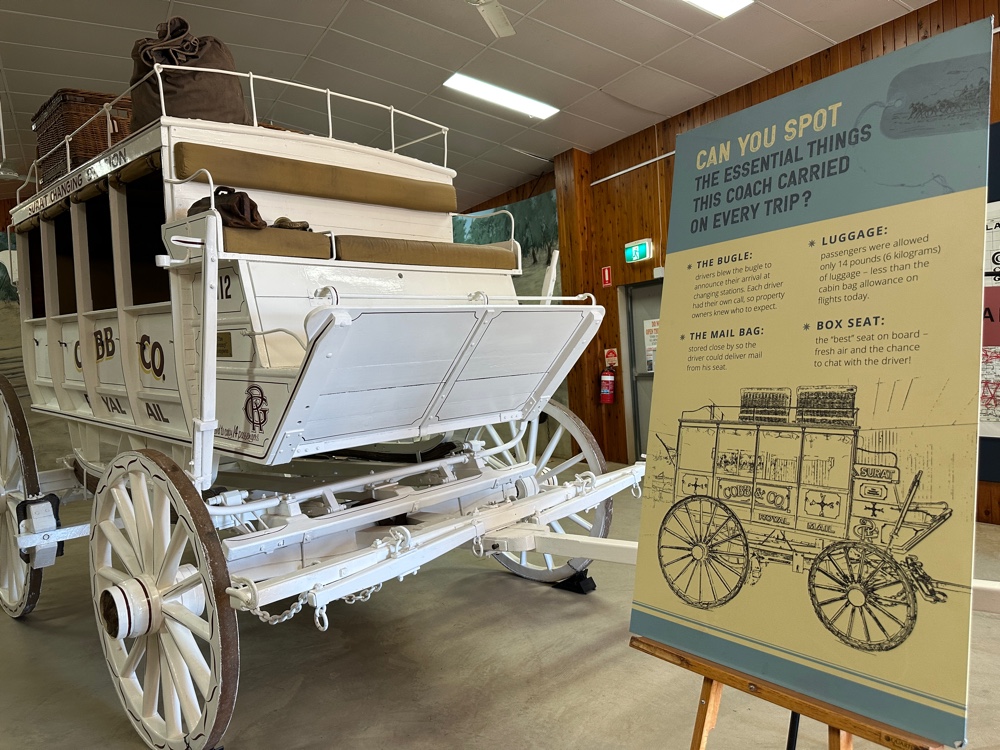
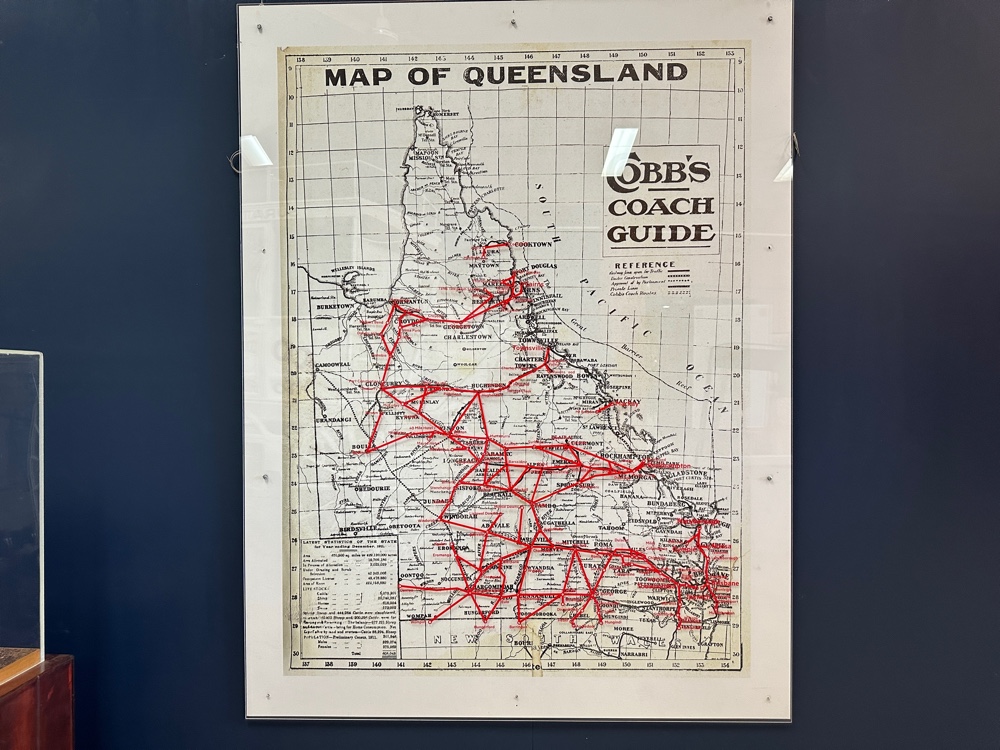
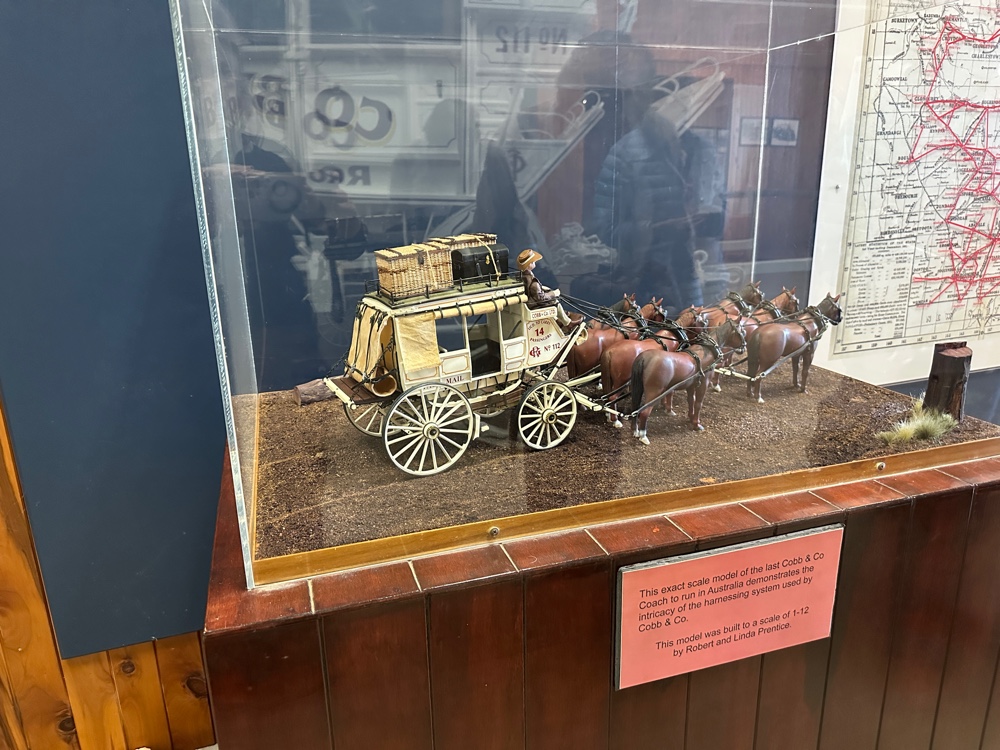
Towns are becoming sparse and I only passed one today on my way to Roma. Surat has a museum in the old Cobb and Co changing station. This was the place where the last Cobb and Co carriage service left in 1924. The museum was well worth visiting. I wandered along the Balonne River there. It also has a nice walk along the river, and some interesting cultural places being built.
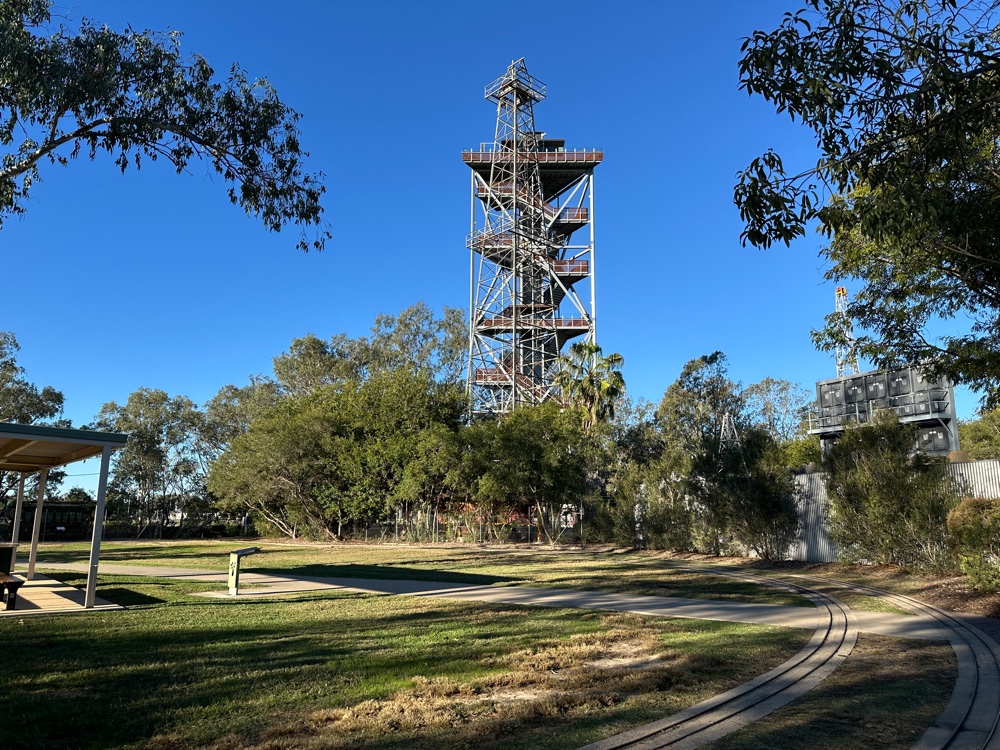
I arrived in Roma and visited The Big Rigg. This is a tribute to the oil and gas industry, which started in Roma in Australia. Roma only gets 600mm of rain a year (probably similar to the amount of rain that every town I’ve been through gets), and it’s very sporadic. They don’t have a river, only a small creek, so water catchment is out. That leaves drilling a bore. So that’s what they did.
After several unsuccessful attempts, suddenly a bore struck gas and some unusable water which jetted high into the air. They decided to make a good thing out of their bad luck (they WERE drilling for water), and stored the gas and plumbed the town for gas lighting. With great fanfare, the lights were turned on, only to go off ten nights later.
The search for water continued. Someone also decided to search for oil and gas. They struck gas with another bore, which was unfortunately too close to a steam boiler. The gas caught fire, the boiler exploded and for seven weeks 18 meter gas flames gushed from the bore. The railway ran tour trains from Brisbane for people keen to see the flames.
After that, Roma became the centre of the Australian oil and gas industry. They did eventually drill bores that delivered only water. The Big Rigg is a fantastic exhibition, and I got in for half price since it’s half price until August.
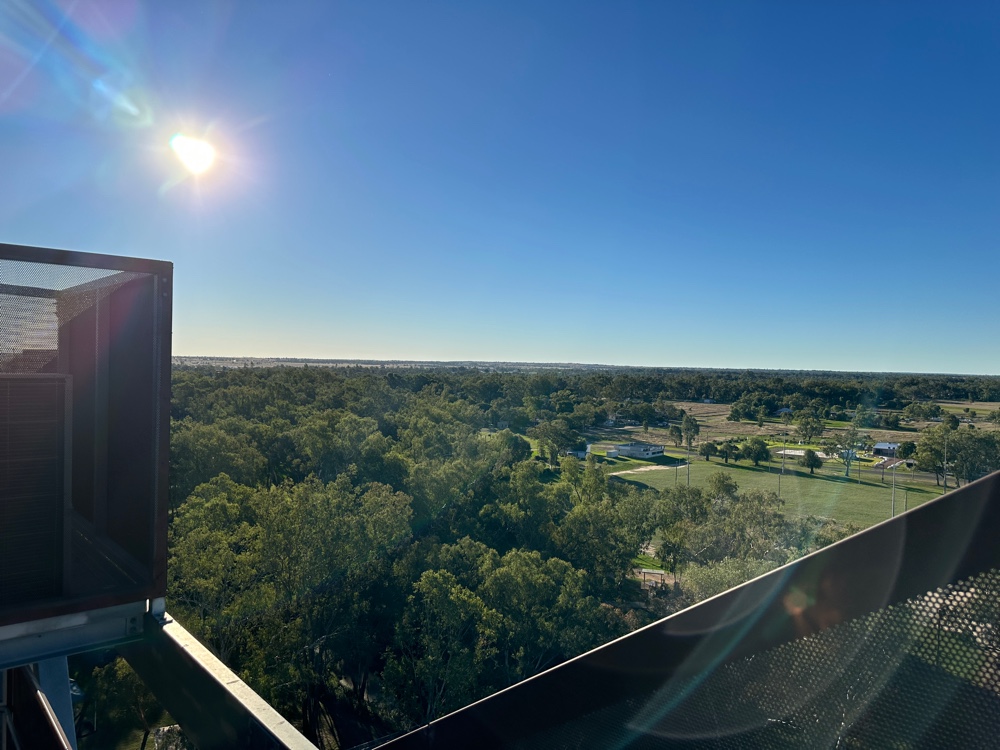
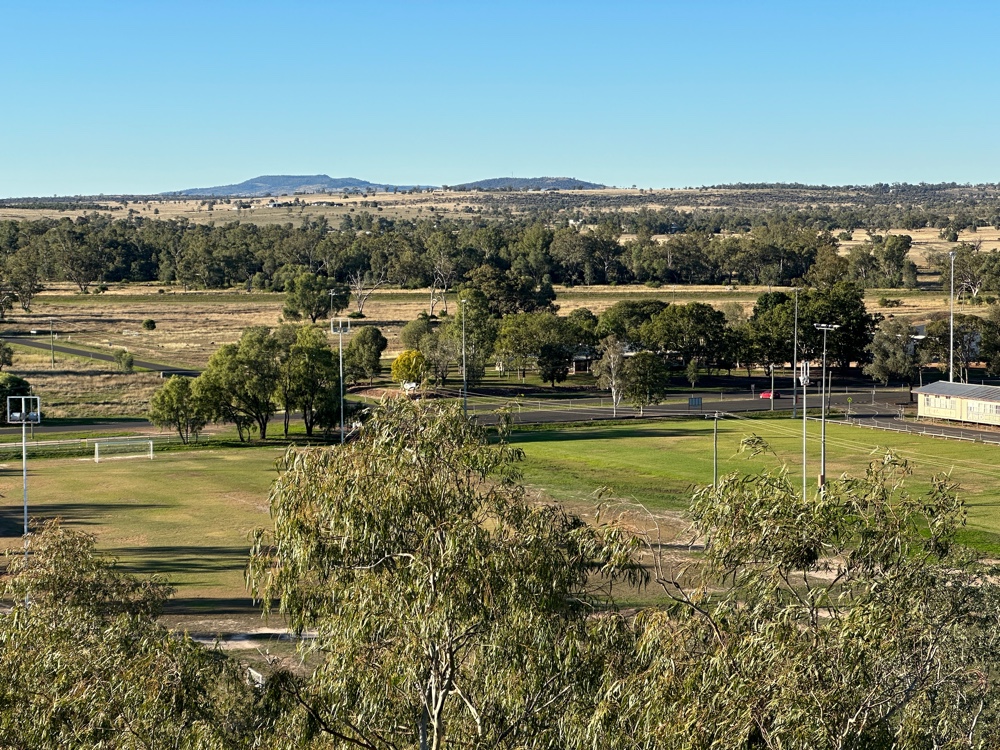
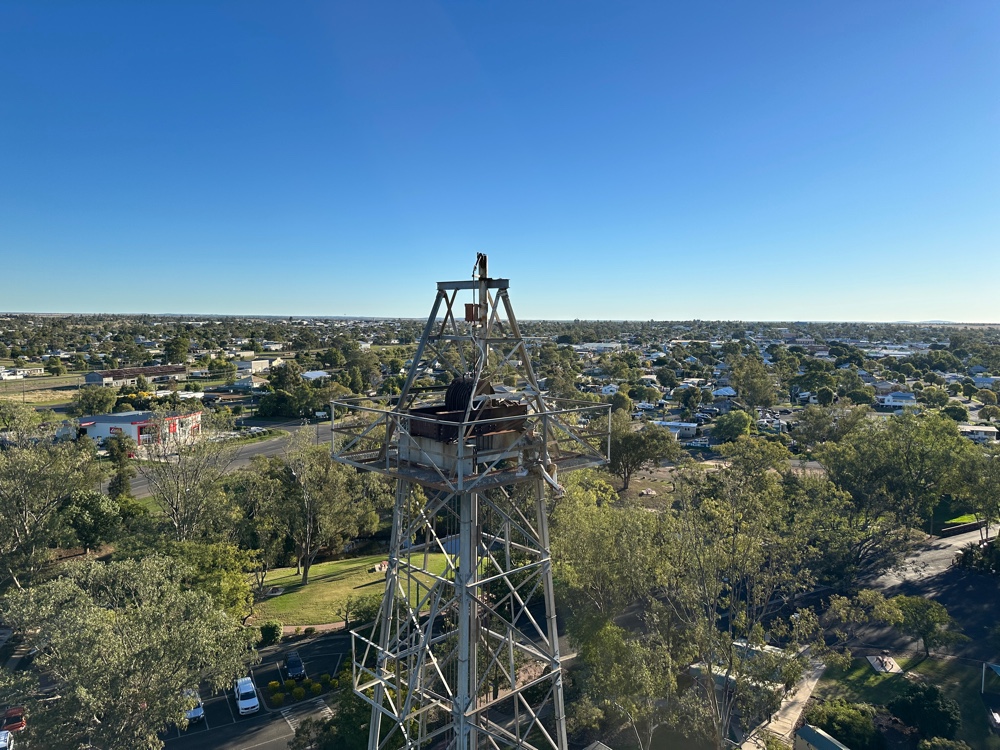
From the Big Rigg you get excellent views of the surrounding countryside.
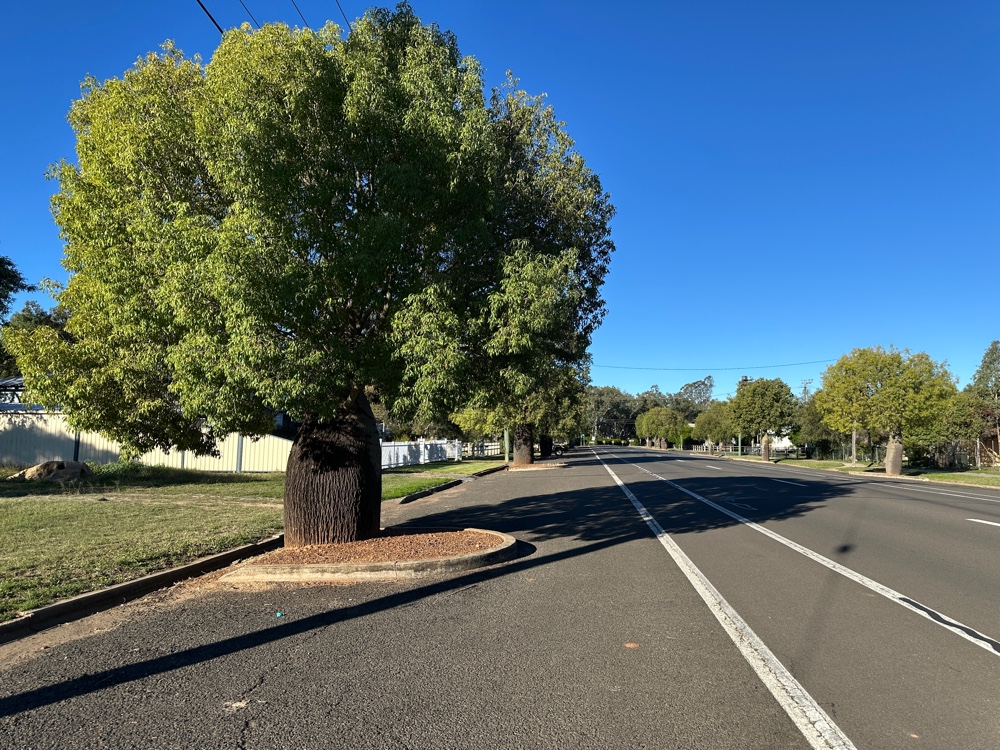
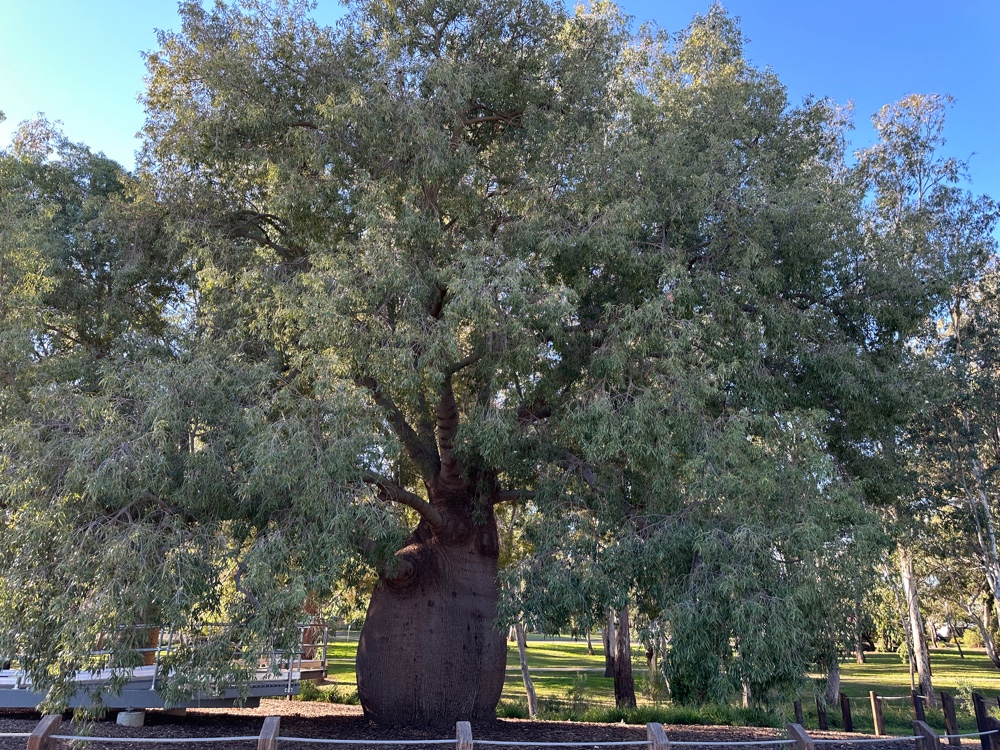
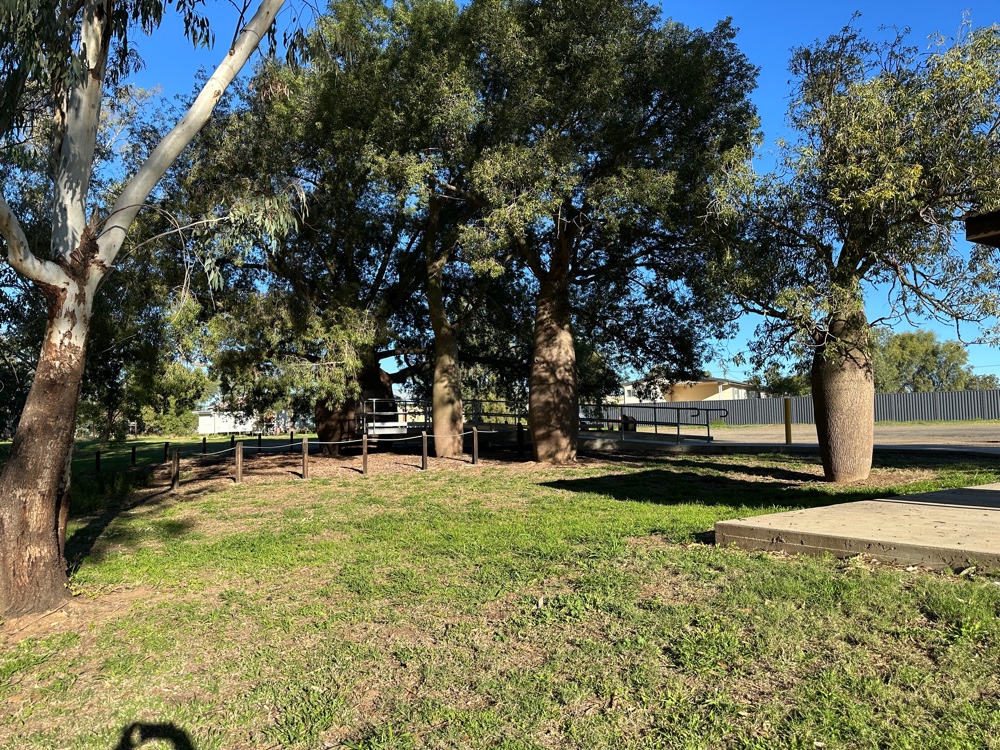
Roma’s other claim to fame is the bottle trees. These are endemic to Queensland and are not related to boabs. There are two types, and the town has planted them as street trees, so they’re everywhere.
Remember that they’re on a tiny creek? It flooded three times in two years in 2010 - 2012. The floods were over 8 metres and damaged 400 houses in Roma.
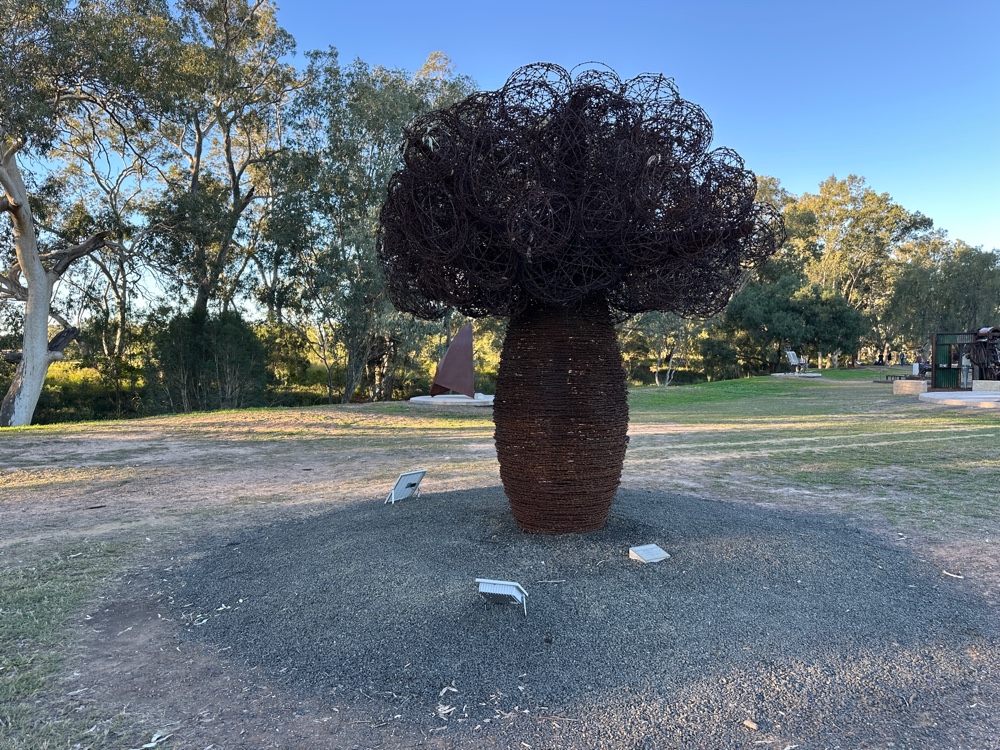
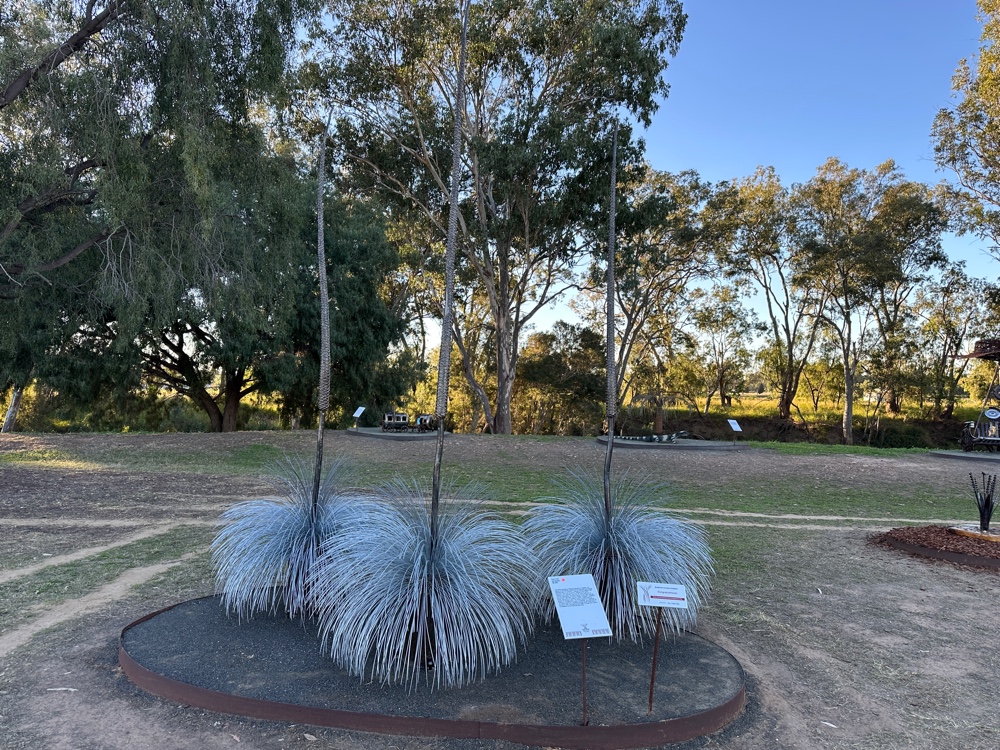
They had a sculpture exhibition nearby, and I really liked the ones below.

No comments:
Post a Comment